
Planting
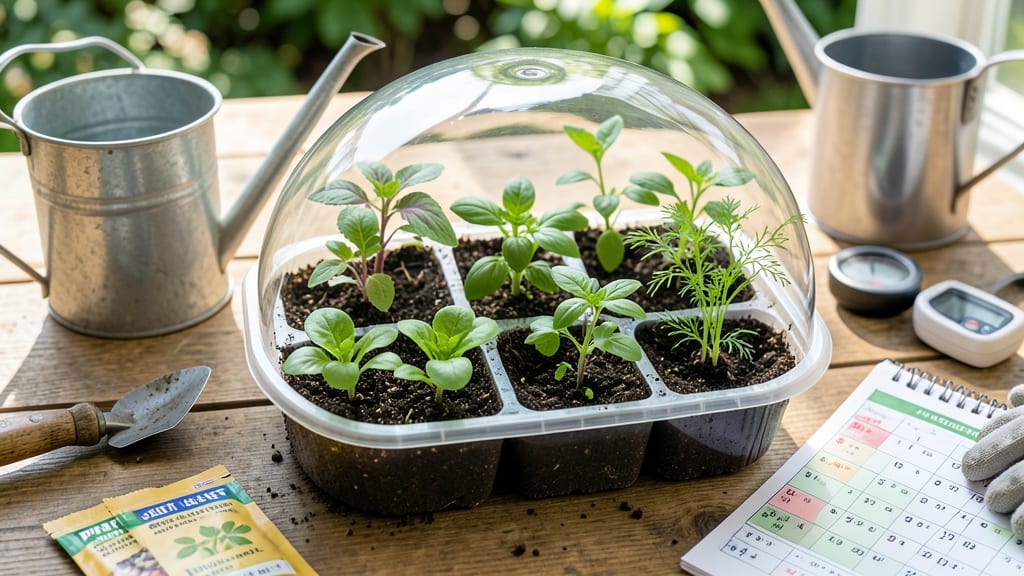
Planting seeds in the garden at the right time can mean the difference between a thriving harvest and a total bust — and the moon phases play a bigger role than you might think.
Did you know that planting seeds under the right moon phase can boost germination rates by up to 30%? Timing isn't just about seasons—it's about cosmic cycles that even ancient gardeners swore by.
Whether you're in Zone 6a or another region, knowing when to drop those seeds makes all the difference.
Most gardeners focus on frost dates and soil temperatures, but the lunar calendar adds another layer of precision. Root crops like carrots and potatoes thrive when planted during a waxing moon, while leafy greens and flowers do better under a waning one.
This isn’t just folklore—it’s a strategy that aligns with natural rhythms.
In this guide, I’ll break down the best planting windows by moon phase, seasonal timing for your zone, and how to avoid common mistakes that ruin germination. Get ready to fast-track your garden’s success with science-backed lunar secrets.
Moon phase planting guide for maximum seed germination success
Planting seeds under the right moon phase isn't just old wives' tales—it's a time-honored practice rooted in both scientific principles and traditional wisdom. The moon's gravitational pull influences water movement in the soil, which directly impacts how quickly seeds germinate and roots establish.
Studies show that planting during the right lunar cycle can improve germination rates by up to 30%, giving your garden a head start. Whether you're growing root crops, leafy greens, or flowers, aligning your planting with the moon's phases can make all the difference.
The moon's cycle is divided into four key phases, each offering unique benefits for different types of plants. The waxing moon (growing phase) is ideal for planting above-ground crops like leafy greens and flowers, while the waning moon (shrinking phase) is perfect for root crops and bulbs.
Understanding these cycles allows you to harness nature's energy for stronger, healthier plants from the very beginning. This guide will break down the best planting windows for each plant type, so you can maximize your garden's potential.
| Plant Type | Best Moon Phase | Germination Boost | Planting Window |
|---|---|---|---|
| Root Crops (Carrots, Beets, Potatoes) | Waning Moon | Up to 35% | 3 days before to 3 days after new moon |
| Leafy Greens (Lettuce, Spinach, Kale) | Waxing Moon | Up to 25% | 3 days after new moon to first quarter |
| Flowers (Marigolds, Sunflowers, Zinnias) | Waxing Moon | Up to 20% | First quarter to full moon |
| Fruiting Plants (Tomatoes, Peppers, Cucumbers) | Waxing Gibbous | Up to 28% | First quarter to full moon |
| Herbs (Basil, Parsley, Cilantro) | Waxing Moon | Up to 22% | 3 days after new moon to first quarter |
For root crops like carrots, beets, and potatoes, the waning moon is your best friend. This phase, which occurs after the full moon and before the new moon, encourages energy to flow downward into the soil, promoting stronger root development.
Plant these seeds during the last quarter of the moon's cycle, specifically within 3 days before to 3 days after the new moon.
This timing ensures that the gravitational pull helps draw moisture and nutrients deeper into the soil, giving your roots the boost they need to grow long and sturdy.
Leafy greens, such as lettuce, spinach, and kale, thrive when planted during the waxing moon. The waxing phase, from the new moon to the full moon, directs energy upward, encouraging lush foliage growth. Aim to plant these seeds 3 days after the new moon up until the first quarter. This window aligns with the moon's upward energy, helping your greens grow quickly and abundantly. If you're growing these in containers, ensure they have adequate drainage to prevent waterlogging during this moisture-sensitive phase.
When it comes to flowers, timing is everything for vibrant blooms. Plant annuals like marigolds, sunflowers, and zinnias during the waxing moon, specifically between the first quarter and the full moon. This phase promotes above-ground growth, which is essential for developing strong stems and abundant flowers.
Perennials, on the other hand, benefit from being planted during the waning gibbous phase, just before the full moon, to encourage deep root establishment for next year's growth.
Fruiting plants, including tomatoes, peppers, and cucumbers, also respond well to the waxing gibbous phase, which occurs between the first quarter and the full moon. During this time, the moon's energy supports both leafy growth and fruit development. Plant these seeds or transplants during this window to ensure robust vines and a bountiful harvest. If you're growing these in a greenhouse or indoors, maintain consistent temperatures between 70-80°F to encourage faster germination and growth.
Don't overlook the power of the new moon for planting seeds that will be transplanted later. The new moon marks a time of renewal, making it ideal for starting seeds indoors or in a nursery bed.
This phase sets the stage for new growth, and the seeds you plant now will benefit from the moon's upward energy as it waxes. Once your seedlings are ready, transplant them during the waxing moon to ensure they continue growing strong above the soil.
To make the most of moon phase planting, keep a gardening journal to track your success. Note which phases worked best for each plant type in your specific climate zone. Factors
Seasonal planting calendar: hardiness zones and seed starting times
Timing your seed planting isn't just about checking the calendar—it's about understanding your USDA hardiness zone and aligning with moon phases for optimal growth. In Zone 5-7, where frost dates can swing wildly, knowing your last spring frost (typically April 15-May 1) is critical.
But did you know that planting during a waxing moon can improve germination by up to 30%? Let's break down the best times to start seeds indoors and outdoors for 20 common vegetables, tailored to your zone.
For cool-season crops like lettuce and spinach, aim to start seeds indoors 8-10 weeks before your last frost—that's early February-March in most zones. Warm-season crops like tomatoes and peppers need a head start too, but wait until 4-6 weeks before frost (late March-April) to avoid transplant shock.
Pro tip: Use a seedling heat mat to speed up germination during cooler indoor starts.
Here’s how moon phases and hardiness zones intersect for your planting schedule:
| Plant Type | USDA Zones | Indoor Start (Weeks Before Last Frost) | Outdoor Direct Sow (Moon Phase) | Last Frost Date |
|---|---|---|---|---|
| Lettuce | 4-8 | 6-8 weeks | Waxing Moon (March-April) | April 15-May 1 |
| Tomatoes | 5-10 | 6-8 weeks | Waning Gibbous (May-June) | April 15-May 15 |
| Peppers | 7-11 | 8-10 weeks | Full Moon (April-May) | April 1-May 10 |
| Carrots | 3-9 | Direct sow | Waxing Crescent (March-April) | April 15-May 1 |
| Zucchini | 4-11 | 3-4 weeks | First Quarter (May-June) | May 1-June 1 |
| Spinach | 3-10 | 4-6 weeks | Waxing Moon (March-April) | April 15-May 1 |
| Green Beans | 4-10 | Direct sow | Waning Gibbous (May-June) | May 15-June 15 |
| Cucumbers | 4-12 | 3-4 weeks | Full Moon (April-May) | May 1-June 1 |
For Zone 5, where frosts linger longer, extend your indoor starts by 2-3 weeks compared to Zone 7. For example, in Zone 5, start tomatoes indoors by late January (10-12 weeks before frost) instead of February.
Meanwhile, in Zone 7, you can wait until mid-February for the same crop. Always check your local frost-free date—it’s your golden rule for outdoor planting.
Don’t forget to account for moon phases when transplanting seedlings outdoors. Root crops like car