
Planting
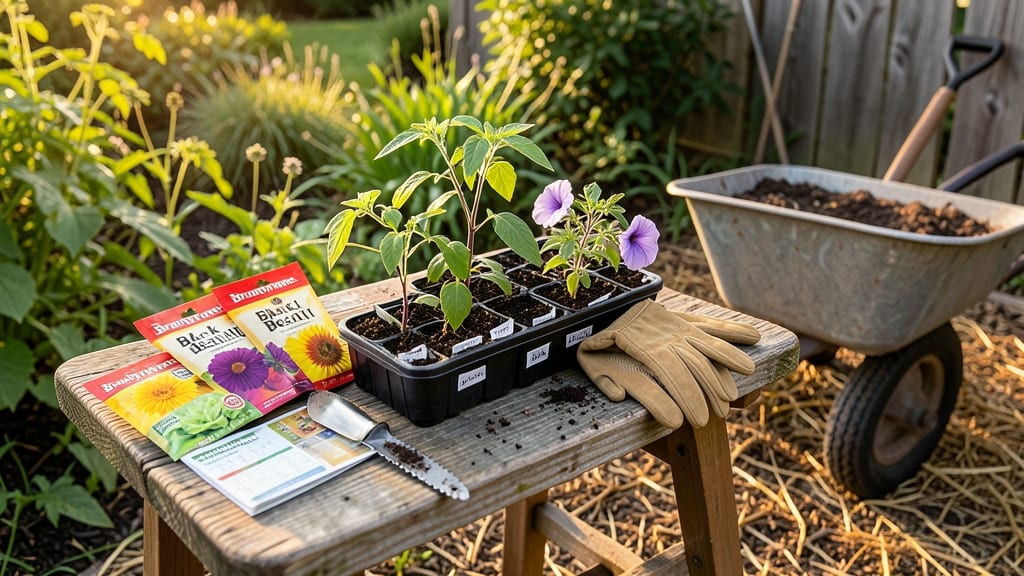
Planting a garden in Indiana at the right time means the difference between a bumper crop and a sad, wilted mess—so timing your spring and fall windows to Indiana’s USDA Zone 6 is non-negotiable.
Indiana’s unpredictable spring weather can turn a gardener’s dream into a nightmare unless you know the exact planting windows for your region. One late frost, and your tomatoes or peppers might never recover.
The key? Planting after the last average frost date—around April 15—but with a backup plan for those chilly surprises.
This isn’t just about sticking seeds in the ground when it feels right. Cool-season crops like lettuce and peas thrive in early spring, while warm-season favorites need soil that’s at least 60°F before they’ll grow.
We’ll break down the month-by-month calendar so you can match your garden to Indiana’s climate—no guesswork, just results.
Ready to grow a garden that actually produces? I’ll show you the best planting dates for vegetables, flowers, and herbs, plus how to adjust for Indiana’s quirks—so you can enjoy fresh harvests from April to October without the stress.
Indiana USDA Zone 6 planting calendar: exact dates for vegetables, flowers, and herbs
Indiana’s USDA Zone 6 offers a 165-day growing season, but precise planting timing makes all the difference between bumper crops and wilted dreams.
The average last frost date hovers around April 15 in most regions, though northern Indiana (like Fort Wayne) can see frost lingering until May 1, while southern Indiana (like Louisville) often warms up by April 1.
These variations mean your planting schedule should account for microclimates—urban areas warm faster than rural spots, and low-lying gardens stay cooler longer.
To navigate this, I’ve broken down the month-by-month planting calendar for both cool-season crops (like lettuce and peas) and warm-season crops (like tomatoes and basil). Perennials and herbs have their own rhythm, too—some thrive when planted in early spring, while others prefer fall establishment for stronger roots before winter.
Let’s dive into the exact dates to follow for a thriving Indiana garden.
| Crop Type | Planting Window | Notes |
|---|---|---|
| Cool-Season Vegetables (Lettuce, Peas, Spinach) | March 15 - April 30 (Spring) August 1 - September 15 (Fall) |
Direct sow 4-6 weeks before last frost. Fall crops benefit from cooler temps. |
| Warm-Season Vegetables (Tomatoes, Peppers, Basil) | May 1 - June 1 (After last frost) | Wait until soil reaches 60°F. Use row covers for early starts. |
| Perennial Flowers (Coneflowers, Black-Eyed Susans) | April 15 - May 15 (Spring) September 1 - October 1 (Fall) |
Spring planting establishes roots before summer heat; fall planting avoids drought stress. |
| Herbs (Rosemary, Thyme, Parsley) | April 1 - May 10 (Spring) August 15 - September 10 (Fall) |
Rosemary and thyme prefer fall planting for winter hardiness; parsley thrives in cool weather. |
| Succession Planting (Radishes, Bush Beans, Lettuce) | Every 2-3 weeks from April to August | Ensures continuous harvests by filling gaps left by fast-growing crops. |
For cool-season crops, start sowing seeds indoors in late February for early transplants, or directly into the garden by March 15. These plants—like lettuce, spinach, and peas—can handle light frosts and even thrive in 50°F soil temperatures.
If you’re planting broccoli or cauliflower, aim for a 60-day head start indoors to avoid bolting in Indiana’s unpredictable spring heat.
Once the last frost date passes (typically April 15), it’s time to shift focus to warm-season crops. Tomatoes, peppers, and eggplants need soil temperatures above 60°F to germinate properly, so don’t rush—waiting an extra week can prevent seed rot.
If you’re eager to get a head start, use biodegradable pots and a heat mat to warm the soil earlier, but be prepared to cover seedlings with frost cloth if late frosts strike.
Herbs like basil and cilantro are finicky about timing—basil bolts in heat, while cilantro goes to seed if days get too long.
Plant basil after May 15 when nights stay above 55°F, and succession plant cilantro every 3 weeks from April to August for continuous harvests. Perennial herbs, such as oregano and thyme, are best planted in early spring or fall to establish strong root systems before Indiana’s harsh winters.
Don’t overlook fall planting, which is just as critical as spring. Many cool-season crops thrive in the 50-60°F temperatures of September and October. Plant kale, spinach, and radishes by August 15 for harvests well into November.
Even warm-season crops like green beans can be sown in late summer for a fall harvest before the first frost. Use row covers to extend the season by 2-4 weeks in both spring and fall.
Indiana’s northern regions (like Gary or South Bend) have shorter growing seasons, so prioritize fast-maturing varieties of vegetables like bush beans (50 days) and radishes (25 days).
In southern Indiana (near Evansville or Louisville), you can push the envelope with late-season tomatoes or even winter squash planted by July 1. Always check your local Almanac frost dates—they’re more reliable than averages for your specific area.
Pro tip: Use a soil thermometer to confirm when conditions are right. For warm-season crops, wait until the soil hits 6
How to adjust planting times for Indiana’s unpredictable weather patterns
Indiana’s unpredictable spring weather can leave gardeners scrambling when late frosts strike or early heatwaves arrive. The average last frost date hovers around April 15, but northern Indiana often sees frost as late as May 1.
Meanwhile, southern Indiana may experience 60°F soil temperatures as early as March 20, creating a narrow window for warm-season crops. These fluctuations demand flexibility—here’s how to adapt.
First, monitor local frost dates using tools like the National Weather Service or Almanac’s Frost Calculator. For cool-season crops like lettuce or peas, start seeds indoors 6-8 weeks before your last frost date.
If you’re planting warm-season crops like tomatoes or peppers, wait until soil temperatures consistently reach 60°F—usually mid-May in most of Indiana.
⚠️ WARNING: Late Frost Risks for High-Value Crops Indiana’s unpredictable frost patterns can devastate tomatoes, peppers, and eggplants if planted too early. Even a 28°F frost can kill young seedlings. Use this risk-assessment checklist before planting:
- ☑️ Check 7-day forecasts for frost warnings
- ☑️ Verify soil temperature with a probe (60°F+ for warm crops)
- ☑️ Use row covers or cold frames for early starts
- ☑️ Plant succession crops every 2 weeks for continuous harvests
One of my favorite tools for extending the growing season is floating row covers. These lightweight fabrics (like Agribon) protect seedlings from light frosts down to 28°F while still allowing sunlight and water.
For cold-sensitive crops like basil or cucumbers, I use mini cold frames made from clear plastic domes over pots. These can add 2-4 weeks to your planting window.
Succession planting is another game-changer for Indiana gardeners. Instead of planting all your bush beans or zucchini at once, stagger plantings every 2 weeks until July 1. This ensures a steady harvest and reduces the risk of losing your entire crop to late-season pests or heat stress.
For example, I plant radishes every 10 days from April to June—this way, I always have fresh ones ready!
Don’t overlook fall planting either. Many cool-season crops thrive in Indiana’s fall weather and can be harvested before the first frost (around October 15). Try kale, spinach, or carrots planted in mid-August.
Use black plastic mulch to warm the soil and row covers to extend harvests into November. I’ve successfully grown garlic planted in October for a spring harvest—it’s a low-maintenance way to beat Indiana’s short growing season.
Finally, keep a garden journal to track your planting dates, weather patterns, and outcomes. Note when frosts occur, how quickly soil warms, and which varieties thrive in your microclimate.
Over time, you’ll fine-tune your planting schedule to Indiana’s quirks—like that unexpected late frost in 2022 that wiped out my tomato seedlings or the early heatwave in 2021 that scorched my peppers. Knowledge is power, and your garden will thank you! 🌱