
Planting
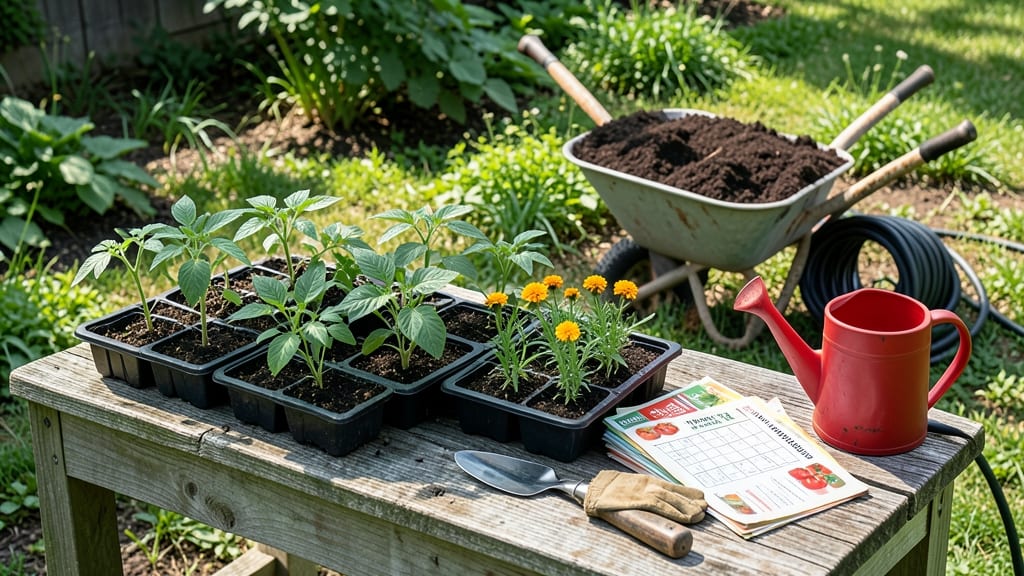
To plant a garden in Indiana at the right time means timing it after your last frost date—typically around April 15—but knowing the exact window depends on what you’re growing.
Indiana’s unpredictable spring weather can leave even experienced gardeners guessing—plant too early, and frost will strike; too late, and you’ll miss peak harvests. But knowing exact frost-free dates by plant type lets you time your garden like a pro.
Cool-season crops like lettuce and peas can handle a light frost, while tomatoes and peppers need warm soil to thrive.
In USDA Zones 5b-6b, the window between March 15 and May 15 is your best bet for spring planting, but regional microclimates—like urban heat islands or rural cool spots—can shift those dates by a week or more.
Below, I’ll break down the ideal planting timeline for Indiana’s top vegetables, flowers, and perennials, plus how to adjust for late frosts or early heat. No more guessing—just a foolproof schedule tailored to your backyard.
Indiana’s frost-free dates by USDA Zone (2024 guide)
Indiana spans USDA Zones 5b-6b, where spring frost dates can vary by 2-3 weeks between northern and southern regions. Knowing your exact last frost date is critical—plant too early, and a surprise 28°F freeze can wipe out seedlings.
My garden in Zone 6a near Indianapolis typically sees its final frost around April 15, but rural areas like Fort Wayne may wait until May 1.
For cool-season crops like peas and spinach, I start seeds 4-6 weeks before the last frost. Warm-season plants such as tomatoes and peppers need to wait until after the frost-free window, ideally when soil temps hit 60°F.
Evansville’s milder climate often allows 2-3 extra weeks of planting compared to northern Indiana.
Historical data shows Indiana’s frost-free season lasts 165 days on average, but microclimates matter. Urban areas like Indianapolis may experience earlier warming due to pavement, while rural spots near lakes or forests can stay cooler. Always check local weather forecasts 1-2 weeks before planting to avoid surprises.
Here’s a quick reference for Indiana’s key cities and their average last frost dates, plus ideal planting windows for both cool-season and warm-season crops:
| Location | USDA Zone | Last Frost Date | First Frost Date | Cool-Season Planting | Warm-Season Planting |
|---|---|---|---|---|---|
| Indianapolis | 6a | April 15 | October 15 | March 15 - April 30 | May 1 - June 15 |
| Fort Wayne | 5b | May 1 | October 5 | April 1 - May 10 | May 15 - June 1 |
| Evansville | 6b | April 1 | October 30 | February 28 - April 15 | April 15 - June 1 |
For cool-season crops, I plant hardy greens like kale and lettuce as early as mid-March in Zone 6a, using row covers to protect from late frosts. Peas and radishes can handle 32°F temps, so I start them 4 weeks before the last frost.
In contrast, warm-season crops like tomatoes and peppers need to wait until after May 1 in most of Indiana.
Pro tip: Use Purdue Extension’s frost date maps for your exact location. I’ve found that urban gardens in Indianapolis often warm up 5-7 days earlier than rural areas due to the heat island effect.
If you’re unsure, opt for transplants instead of direct sowing—you can always move them to a cold frame if frost threatens.
Don’t forget about fall planting! Many cool-season crops thrive when sown in late summer. I plant spinach and carrots in August for a harvest before winter. The first frost in Evansville usually hits October 30, giving you a 2-month window for fall crops.
To extend your growing season, I recommend succession planting. For example, sow lettuce every 2 weeks from March to August to ensure a continuous harvest. Bush beans and zucchini also benefit from staggered plantings—just make sure to wait until soil temps are above 60°F.
If you’re new to Indiana gardening, start with frost-tolerant varieties like Swiss chard or arugula for early spring. For warm-season plants, choose heat-resistant tomatoes like ‘Heatmaster’ or peppers like ‘Jalapeño M’ to handle Indiana’s summer humidity.
Remember: Frost dates are averages, not guarantees. Always have a 5-day forecast handy and keep row covers on standby for late surprises. With these dates as your guide, you’ll be harvesting homegrown veggies like a pro by summer! 🌱
Best planting timeline for Indiana’s top 10 vegetables
Indiana’s top 10 vegetables thrive when planted at the right time—whether you’re growing heat-loving tomatoes or frost-hardy spinach. The key is matching each plant’s temperature needs with Indiana’s average last frost date (April 15) and first frost (October 15).
Below, I’ve broken down the best month-by-month schedule for a continuous harvest, including succession planting tips to keep your garden productive all season.
For cool-season crops like lettuce and peas, start as early as March under row covers or in a greenhouse. Meanwhile, warm-season plants such as peppers and cucumbers need to wait until after May 1, when soil temperatures consistently stay above 60°F.
My secret? Plant fast-maturing varieties first, then succession-sow every 2–3 weeks for a steady supply.
- 1. Lettuce & Spinach: March 1–April 15 (cool-season; harvest before bolting)
- 2. Peas & Radishes: March 15–April 1 (direct-sow; frost-tolerant)
- 3. Onions & Carrots: April 1–May 1 (slow to establish; avoid late frosts)
- 4. Tomatoes & Peppers: May 1–May 15 (start indoors 4–6 weeks before last frost)
- 5. Beans & Corn: May 15–June 1 (soil must be 65°F+; warm-season staples)
- 6. Cucumbers & Zucchini: May 15–June 1 (needs full sun; plant after frost risk)
- 7. Succession Planting: June 1–July 15 (sow lettuce, radishes, beans every 2 weeks)
- 8. Fall Crops: August 1–September 1 (plant kale, broccoli, spinach for late harvests)
- 9. Heat-Tolerant Varieties: Black Seeds Tomatoes, Malabar Spinach (thrive in 90°F+ heat)
- 10. Extend the Season: Use row covers until June 15 for early cabbage & Brussels sprouts
Pro tip: Use succession planting for bush beans and leaf lettuce—sow new seeds every 2–3 weeks from May through July to avoid a glut (or shortage!) of harvests.
For tomatoes, opt for determinate varieties like ‘Roma’ for earlier harvests or indeterminate types like ‘Better Boy’ for a longer season.
Don’t overlook fall planting! After Labor Day, switch to cool-season crops like kale and radishes, which sweeten after a light frost. My go-to fall variety is ‘Winterbor’ kale—it handles 20°F temps and keeps producing until December.
Just remember to mulch heavily to protect roots from freeze-thaw cycles.
For Indiana’s Zone 5–6 climate, timing is everything. Miss the May 1 window for warm-season crops, and you’ll end up with stunted peppers or cucumbers that never fully mature. But with this schedule, you’ll enjoy fresh tomatoes by July 4th and harvest