
Planting
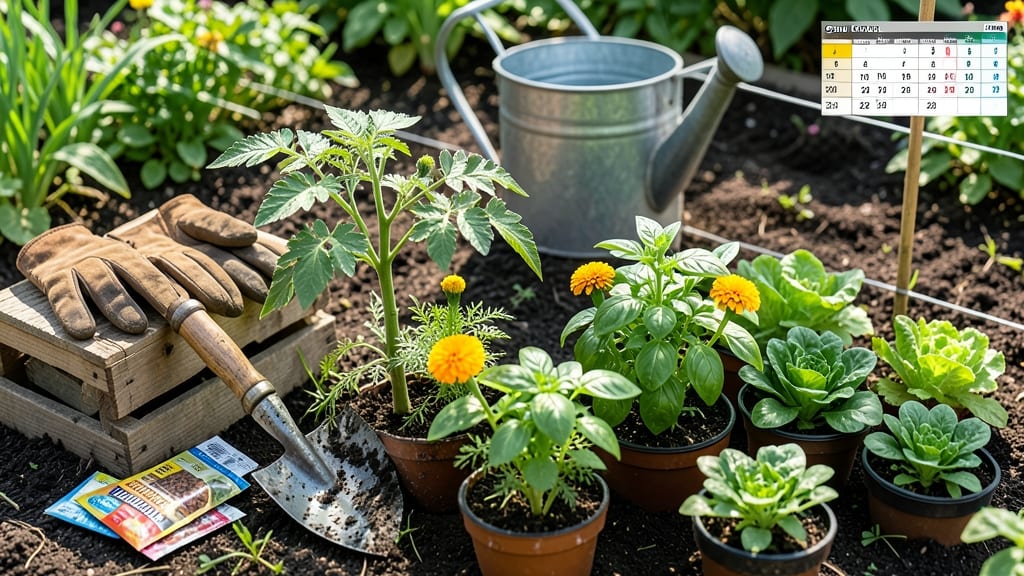
Planting your garden in Pennsylvania at the right time means the difference between a thriving harvest and a frost-nipped disappointment.
Pennsylvania’s diverse climate—from the cool mountains to the humid valleys—means your garden’s success hinges on timing. Plant too early, and frost will strike; too late, and your harvest could suffer.
Whether you’re in Pittsburgh’s Zone 6b or Philadelphia’s Zone 7a, knowing the last frost date is the key to unlocking a bountiful spring. Miss it, and you’ll be scrambling to protect tender seedlings when temperatures drop unexpectedly.
In this guide, you’ll get a zone-by-zone frost-date calculator, plant-specific timing charts, and pro tips to extend your growing season—so you can plant with confidence and enjoy a garden that outperforms the weather.
Pennsylvania planting zones & frost dates: your 2024 calendar
Pennsylvania spans USDA hardiness zones 3a through 7a, creating dramatic differences between mountain valleys and city heat islands.
Knowing your last frost date and first frost averages is critical—plant too early in zone 3a (like Erie) and frost will kill tender seedlings, while zone 7a (like Reading) offers longer growing seasons. Even neighboring towns can differ by 2-3 weeks in frost timing.
Urban areas like Philadelphia (zone 7a) often experience microclimates with warmer nights due to concrete, while rural Pittsburgh (zone 6b) sees cooler pockets near forests. Use the frost-date calculator below to input your exact ZIP code for precise timing tailored to your yard’s conditions.
Below is your 2024 Pennsylvania frost-date calendar by zone, including average last spring frost (when to plant warm-season crops) and average first fall frost (when to harvest or protect plants). For exact dates, adjust based on your elevation (higher = later) and urban heat island effect (cities = earlier).
| USDA Zone | Last Spring Frost | First Fall Frost | Frost-Free Days | Key Cities |
|---|---|---|---|---|
| Zone 3a | May 10–20 | Sept 20–Oct 5 | 120–140 days | Erie, Altoona |
| Zone 4a | May 1–15 | Sept 25–Oct 10 | 140–160 days | State College, Williamsport |
| Zone 5b | April 25–May 10 | Oct 5–15 | 160–180 days | Harrisburg, Scranton |
| Zone 6a | April 15–25 | Oct 10–20 | 180–200 days | Pittsburgh, Allentown |
| Zone 6b | April 5–15 | Oct 20–Nov 1 | 200–220 days | Lancaster, York |
| Zone 7a | March 25–April 5 | Nov 1–10 | 220–240 days | Philadelphia, Reading |
To refine these dates for your garden, use this frost-date calculator: Enter your ZIP code and elevation into tools like the National Oceanic and Atmospheric Administration (NOAA) or Almanac’s Frost Calculator.
For example, a Pittsburgh backyard at 1,000 feet may frost 5–7 days later than downtown, while a Philadelphia rooftop garden could see earlier last frosts due to urban heat.
Pro tip: Track your own local frost dates for 3 years to adjust averages. In zone 5b, I’ve seen tomatoes thrive when planted May 15 but wilt overnight if planted April 30 after a late frost. Always have row covers ready for late-May surprises—even in zone 7a!
For warm-season crops like tomatoes and peppers, wait until soil temperatures hit 60°F (use a soil thermometer), which often aligns with your last frost date + 2 weeks. Cool-season crops like spinach and peas can handle light frosts and should go in 4–6 weeks before your last frost.
In zone 3a, this means early April planting!
Remember: Microclimates matter. A south-facing wall can add 10–14 days to your growing season, while a low-lying area may frost earlier. Observe your yard’s patterns: Does frost cling to valleys or shaded spots longer?
Adjust planting times accordingly. For urban gardeners, city heat can push last frosts 1–2 weeks later than rural areas.
Use this calendar as your
Best planting times for Pennsylvania vegetables, flowers & herbs
Pennsylvania’s gardening calendar isn’t one-size-fits-all—cool-season crops like spinach thrive in early spring, while warm-season darlings like tomatoes demand patience until soil warms. Even perennials like lavender have ideal windows to establish roots before winter.
Let’s break down the exact timing for your PA garden, including succession planting tricks to maximize yields.
First, know your last frost dates: Southern PA (zones 6-7) averages April 15, while Northern PA (zones 4-5) waits until May 10. Use these as your planting deadlines for frost-sensitive crops.
For cool-season veggies, start seeds indoors 6-8 weeks before last frost—that’s early March for most of PA. Warm-season plants? Wait until soil hits 60°F (usually late May in Pittsburgh, early June in Scranton).
| Plant Type | Best Planting Window | PA-Specific Tip | Succession Planting |
|---|---|---|---|
| Cool-Season Veggies (Spinach, Peas, Lettuce) | Early March (indoors) or April 15 (direct sow) | Use row covers for late fall harvests | Every 2 weeks until July |
| Warm-Season Veggies (Tomatoes, Peppers, Cucumbers) | After May 15 (soil 60°F+) | Black plastic mulch warms soil 2-3 weeks earlier | Transplant every 3 weeks until August |
| Perennials (Lavender, Asparagus, Rhubarb) | Early spring (March-April) or fall (Sept-Oct) | Asparagus crowns need 2 years to establish | N/A (plant once, thrive for years) |
| Flowers (Marigolds, Zinnias, Snapdragons) | After last frost (April 15-May 15) | Deadhead for continuous blooms | Sow every 3 weeks for summer-long color |
| Herbs (Basil, Cilantro, Dill) | After May 1 (cilantro) or June 1 (basil) | Basil bolts in heat—plant in partial shade | Sow cilantro every 2 weeks; basil once |
Don’t overlook fall planting—many crops like kale, carrots, and radishes thrive when days cool. Aim to sow by August 15 in Southern PA or September 1 in Northern PA for harvests before first frost.
For warm-season holdovers (like tomatoes), use row covers to extend the season until October 15 in most zones.
Pro tip: Transplant timing matters—wait until seedlings have 4-6 true leaves and nights stay above 50°F. For peppers and eggplants, delay until June 1 in cooler zones (like Erie) to avoid blossom-end rot.
And remember: soil temperature > air temperature—use a soil thermometer to confirm readiness for heat-lovers.
Pennsylvania’s microclimates mean your neighbor’s success might not match yours. Urban areas like Philadelphia warm faster than rural farmlands, while mountain towns (like State College) stay cooler.
Adjust your schedule by 1-2 weeks based on your specific location—observe your garden’s cues and trust your local extension office for hyper-local advice.
With these planting windows mastered, you’ll beat PA’s unpredictable weather and enjoy longer harvests and healthier plants. Start with cool-season crops in early spring, then shift to warm-season staples as soil warms—your future self (and your dinner table) will thank you! 🌱