
Planting
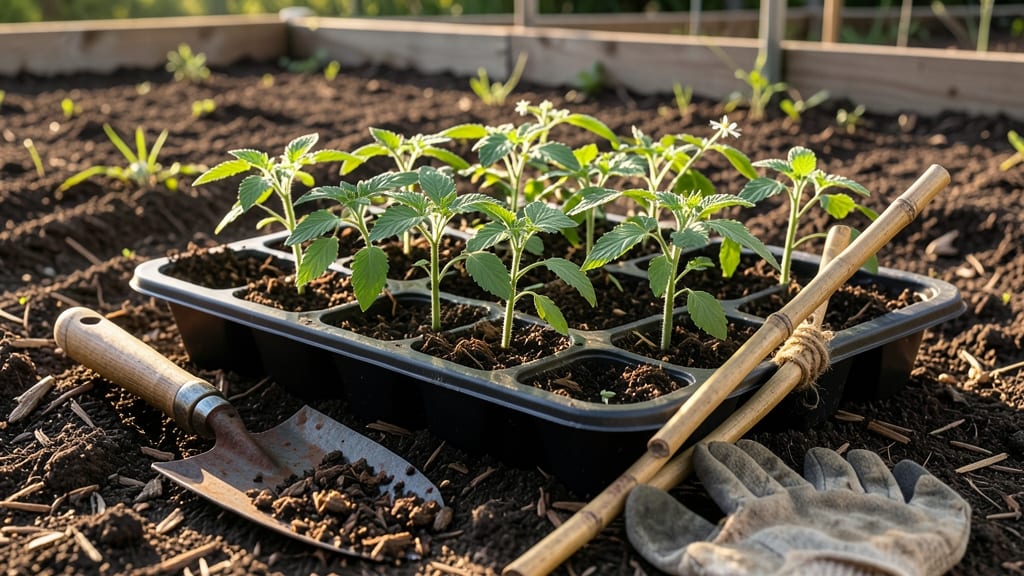
Planting tomato seedlings in the garden at the right time ensures your 🍅 plants thrive and produce fruit instead of struggling to survive.
Timing your tomato seedlings' move from indoors to the garden can mean the difference between a bountiful harvest and wilted disappointment—soil temperature is the secret ingredient most gardeners overlook.
In Zone 6a, where many gardeners live, waiting until the soil warms to at least 60°F and nighttime temperatures stay above 50°F is critical. Planting too early can shock your seedlings, stunting growth or even killing them before they get a chance to establish roots.
Below, I’ll walk you through how to check your soil temperature, adjust for your specific region, and avoid common mistakes that lead to failed transplants. With the right timing, you’ll be harvesting juicy tomatoes by summer!
The perfect soil temperature range for planting tomato seedlings
Getting your tomato seedlings into the garden at the right time isn’t just about avoiding frost—it’s all about soil temperature. Tomatoes thrive when the ground warms up, but planting too early can stunt their growth or even kill them.
The ideal soil temperature range for transplanting is between 50°F and 60°F, with daytime temps consistently above 60°F to kickstart healthy root development.
Why does temperature matter so much? Tomato roots struggle to absorb nutrients and water below 50°F, leading to poor growth or disease susceptibility. Even if daytime temps are perfect, nighttime dips below 50°F can shock seedlings, especially in frost-prone regions.
Testing your soil’s warmth before planting ensures your tomato plants get off to a strong start.
| Condition | Ideal Range | Action Required |
|---|---|---|
| Soil Temperature (Daytime) | 50°F–60°F | Plant seedlings when consistently in this range for 3+ days |
| Soil Temperature (Nighttime) | Above 50°F | Use row covers if temps drop below 50°F |
| Air Temperature (Daytime) | 60°F+ | Essential for root growth and preventing transplant shock |
| Soil Moisture | Consistently damp | Water deeply before and after transplanting |
| Last Frost Date | 2+ weeks before planting | Check local frost dates and adjust planting timeline |
To test your soil’s temperature accurately, use a soil thermometer—these inexpensive tools give precise readings. Insert the probe 4–6 inches deep (where roots will grow) and check temps in the morning and evening.
If you don’t have a thermometer, the back-of-the-hand test works in a pinch: press your hand into the soil; if it feels cool but not cold, it’s likely in the right range.
For gardeners in frost-prone regions, nighttime temperatures are just as critical as daytime highs. Even if daytime soil temps hit 60°F, a 50°F night can stress seedlings. Use row covers or black plastic mulch to retain heat and protect young plants.
In my Zone 5 garden, I’ve seen seedlings recover from 48°F nights with these tools, but growth slows significantly.
If your soil is still too cold, don’t rush planting. Instead, harden off seedlings for a few extra days and delay transplanting until conditions improve. Cold soil can cause root rot or blossom end rot later in the season, so patience pays off.
I once planted tomatoes in 45°F soil and lost half my seedlings to fungal issues—never again!
Pro tip: Warm your soil faster by covering beds with clear plastic a week before planting. This traps heat from sunlight and speeds up the warming process. Just remove the plastic 24 hours before transplanting to avoid overheating the roots.
For raised beds, this method can add 5–10°F to soil temps, giving you an earlier planting window.
One common mistake is relying on air temperature alone. A 70°F day might feel perfect, but if the soil is still 48°F, your seedlings will struggle. Always prioritize soil temp over air temp when deciding to plant.
I learned this the hard way when my early-planted seedlings turned yellow and stunted—until I checked the soil, not the thermometer on my porch.
For container gardeners, soil in pots warms up faster than in-ground soil, but it also cools down quicker at night. Monitor your pots closely and consider using heat mats or moving containers closer to the house for extra warmth.
If you’re in a warmer climate (Zones 8–11), you might plant as early as February or March, but always confirm soil temps first.
Remember, tomato seedlings are delicate when first transplanted. Even with perfect soil temps, give them a week to acclimate before exposing them to full sun. Mulch around the base to retain moisture and regulate soil temperature, which helps prevent swings between day and night extremes.
With the right soil temp and a little patience, your seedlings will thrive and reward you with a bountiful harvest.
Regional planting timelines: when to plant tomato seedlings by USDA Zone
Getting your tomato seedlings into the garden at the right time is everything—plant too early and frost will kill them, too late and you’ll miss the harvest window. Your USDA Zone determines your planting timeline, but even within zones, local microclimates can shift those dates by weeks.
Let’s break down the ideal windows for Zones 3-11, including how to adjust for urban heat islands or frost pockets.
First, find your last frost date (check the USDA Plant Hardiness Zone Map or local extension office). Then add 2-4 weeks to that date—this gives seedlings time to establish roots before summer heat arrives.
For example, in Zone 5, where last frost is around May 15, aim to plant by June 1.
Here’s a side-by-side comparison of planting timelines by zone, including early-spring vs. late-spring strategies and adjustments for microclimates:
| USDA Zone | Early-Spring Planting Window | Late-Spring Planting Window | Microclimate Adjustments |
|---|---|---|---|
| Zones 3-4 | Mid-May to early June (after soil hits 55°F) | Late June (use row covers) | Plant near south-facing walls or use black plastic mulch to warm soil faster. |
| Zones 5-6 | Late April to mid-May (soil 60°F+) | Early June (for heat-tolerant varieties) | Avoid low-lying areas—they stay colder longer. Urban gardens may need planting 1-2 weeks earlier due to heat retention. |
| Zones 7-8 | Early April to mid-May | Late May to early June (succession planting) | In urban heat islands, plant cherry tomatoes (they ripen faster) or use shade cloth in peak summer. |
| Zones 9-11 | February to March (early varieties) | July-August (fall planting for winter harvests) | Avoid planting near large pavement—it can scorch seedlings. Use drip irrigation to prevent stress. |
For urban gardeners, heat islands can push planting dates earlier by 1-3 weeks. Test soil temperature with a soil thermometer—tomatoes thrive when roots hit 60°F+. If your microclimate runs hot, opt for heat-tolerant varieties like ‘Solar Fire’ or ‘Heatmaster.’
Pro tip: In frost-prone zones, start a second batch of seedlings indoors 6-8 weeks before your late-spring planting window. This ensures a continuous harvest even if the first planting struggles with heat or pests.
Remember, soil temperature matters more than air temperature. A sunny windowsill can fool you—always check with a thermometer. With these timelines, you’ll avoid the common mistake of planting too early and risking frost damage while still catching the perfect window for a bountiful tomato harvest.