
Planting
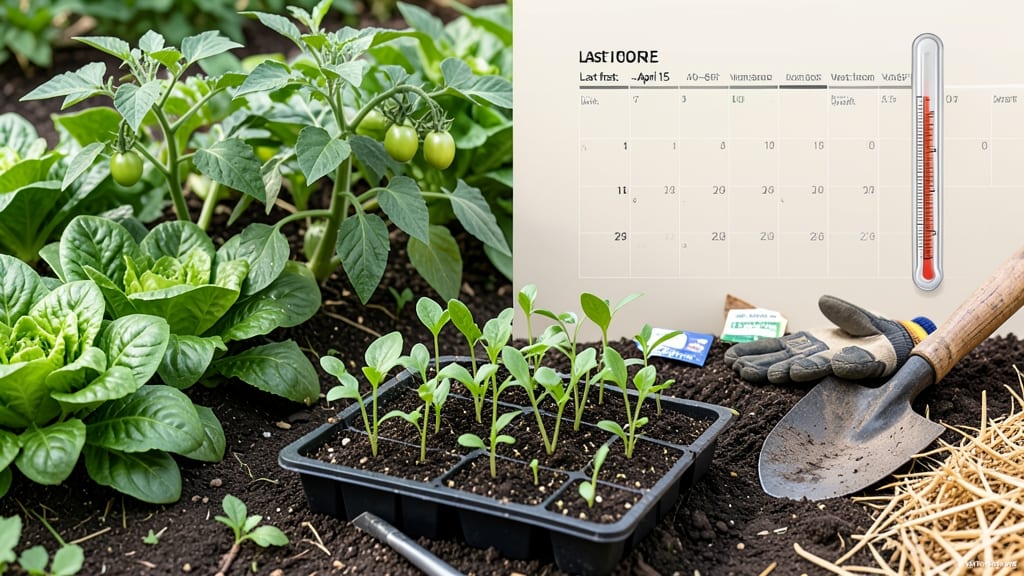
The best time to plant a garden in Ohio depends on your zone and the crop you’re growing — but missing the window by even a week can mean frost-killed seedlings or a summer of disappointment.
Ohio’s unpredictable spring weather can turn your gardening dreams into a guessing game unless you know the exact planting windows for your specific zone. Get the science-backed timeline to maximize your harvest and avoid frost-related disasters.
From cool-season greens like spinach and peas to heat-loving tomatoes and peppers, Ohio’s USDA zones 5a–6b demand precision. Plant too early, and a late frost wipes out your work; too late, and the heat arrives before your crops mature.
Here’s what you need to know: zone-specific frost dates, the ideal 4–6 week pre-planting windows for seeds vs. transplants, and how to adjust for container gardening or microclimates. Let’s get your Ohio garden off to the best possible start.
Ohio planting zones explained: when to start seeds vs. transplanting vegetables
Ohio spans USDA zones 5a through 6b, meaning gardeners in northern Ohio (5a) face earlier frost risks than those in southern Ohio (6b). These zones dictate when to start seeds indoors and when to transplant seedlings outdoors for optimal growth.
For example, zone 5a has a last frost date around May 15, while zone 6b can plant outdoors as early as April 15. Timing is everything to avoid frost damage or stunted plants.
Understanding your zone helps you calculate the 4-6 week pre-planting window for seeds. For instance, tomato seeds need 6-8 weeks indoors before the last frost, while spinach can be direct-sown 2-4 weeks before frost.
Transplants like peppers require 8-10 weeks indoors in cooler zones (5a) but only 6-8 weeks in warmer zones (6b).
Here’s your zone-specific planting guide for Ohio’s most popular vegetables, including cool-season crops (like peas and lettuce) and warm-season staples (tomatoes, peppers). Use this to plan your seed-starting schedule and avoid common mistakes like planting too early or too late.
| Zone | Last Frost Date | Start Seeds Indoors | Transplant Outdoors | Direct Sow Outdoors |
|---|---|---|---|---|
| 5a (Northern OH) | May 15 | March 15-April 1 | May 1-15 | April 15-May 10 |
| 5b (Central OH) | May 1 | March 1-April 15 | April 20-May 10 | April 1-April 25 |
| 6a (Southern OH) | April 15 | February 28-March 15 | April 1-April 15 | March 15-April 1 |
| 6b (Southwest OH) | April 1 | February 15-March 1 | March 15-April 1 | February 28-March 15 |
*Timing based on average last frost dates and Ohio Agricultural Research Stations data.
For cool-season crops like spinach, peas, and lettuce, you can direct-sow seeds as early as 4-6 weeks before your last frost date. In zone 5a, that means starting in early April, while zone 6b gardeners can plant by late February.
These crops thrive in cooler temperatures (40-70°F) and often bolt or flower when days get too long or hot.
Warm-season crops, including tomatoes, peppers, and cucumbers, need soil temperatures above 60°F to germinate. In zone 5a, wait until May 15 to transplant seedlings outdoors, but in zone 6b, you can start as early as April 15. Use a soil thermometer to confirm readiness—cold soil delays germination and weakens seedlings.
Pro tip: Use row covers or cold frames to extend your growing season in northern Ohio (zones
Month-by-month Ohio gardening calendar: what to plant when for maximum yields
Ohio’s gardening season stretches from early spring to crisp fall, but timing is everything. Plant too early, and a late frost will wipe out your seedlings. Plant too late, and heat-loving crops like okra or sweet potatoes won’t mature before winter.
My zone-specific calendar breaks down the exact windows for planting, succession planting, and container gardening adjustments to maximize your harvest.
Ohio’s USDA zones 5a-6b mean last frost dates range from mid-April in southern Ohio to early June in the north. Use these dates as your guide: cool-season crops (like spinach and kale) can handle light frosts, while warm-season crops (tomatoes, peppers) need soil temperatures above 60°F to thrive.
Container gardens give you flexibility—just adjust planting dates by 1-2 weeks earlier for heat-sensitive crops.
- 1
- 2
- 3
- 4
- 5
- 6
- 7
Ohio’s container gardening opportunities shine in this calendar. Use 5-gallon pots for tomatoes and peppers—they warm up faster than garden soil. For slow-growing crops like carrots or parsnips, start them in deep containers (12+ inches) by mid-May to avoid competition with weeds.
Just ensure containers have drainage holes to prevent root rot.
Pro tip: Succession planting is your secret weapon for continuous harvests. For example, sow lettuce every 2 weeks from April through July. This ensures you’re always eating fresh greens without a glut. Pair it with radishes (they mature in just 30 days!) to fill gaps in your planting schedule.
In northern Ohio, aim for a second planting of spinach in early August for a fall harvest.
Don’t forget Ohio’s black walnut soil toxicity—this juglone chemical inhibits growth in tomatoes, peppers, and potatoes. If your garden is near a black walnut tree, plant these crops in containers or amend the soil with compost and lime to neutralize the effect.
For heat-loving crops, like sweet potatoes