
Tools
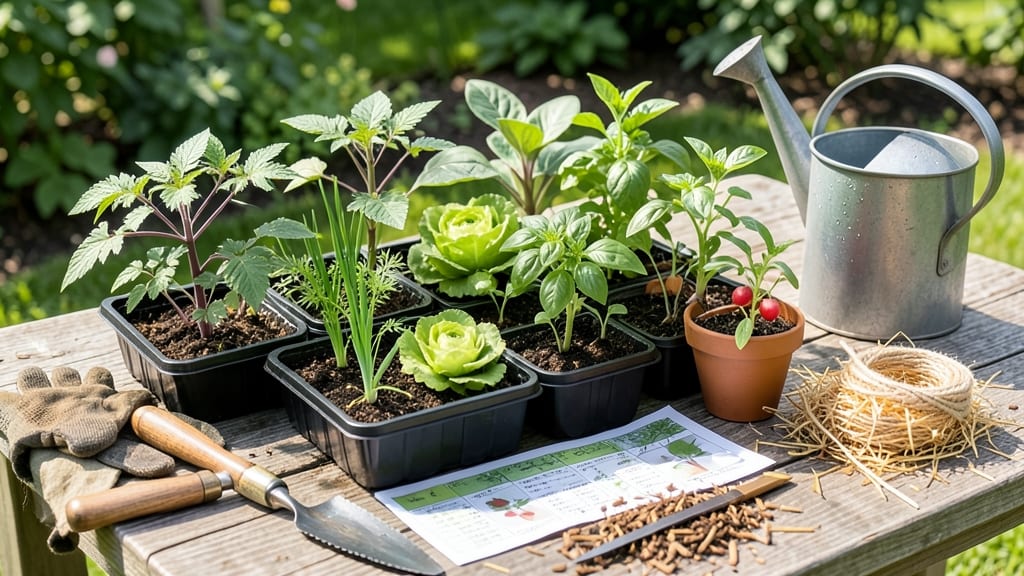
A vegetable garden planting schedule keeps your harvests abundant by aligning seeds with your local climate’s rhythm—whether you’re in a cool coastal zone or a hot inland stretch.
Timing is everything in gardening—plant your vegetables too early or too late, and you’ll miss peak harvests or risk frost damage. This zone-specific planting schedule ensures you maximize yields by aligning your garden with local climate patterns and seasonal shifts.
From leafy greens in spring to tomatoes in summer, each crop has its own ideal window. I’ll break down the exact months for your USDA zone, plus tricks to extend seasons with row covers or cold frames.
By the end, you’ll know exactly when to start seeds indoors, transplant seedlings, and succession-plant for continuous harvests—no more guessing or wasted effort.

How to determine your planting zone and last frost dates
Getting your vegetable garden planting schedule right starts with knowing your USDA Hardiness Zone and last frost dates. These two factors determine when to plant cool-season crops like lettuce and peas versus warm-season favorites like tomatoes and peppers.
Without this info, you risk frost damage or wasted effort planting too early. Let’s break it down step by step.
First, find your USDA Hardiness Zone using the Zone Finder Tool on the USDA website. Simply enter your ZIP code to get your exact zone, which ranges from Zone 1 (Alaska) to Zone 13 (Hawaii).
For example, if you’re in Zone 6a, you’ll have a different planting window than someone in Zone 9b. This zone tells you which plants can survive your winter.
Next, calculate your last frost date—the average date when temperatures drop below 32°F (0°C) in spring. Use the National Weather Service Frost Calculator or check local almanacs. For Zone 6a, this is typically around April 15, but dates vary by 1-2 weeks depending on elevation and microclimates.
Cool-season crops should go in 4-6 weeks before this date, while warm-season crops wait 2-3 weeks after.
Here’s a quick reference for adjusting planting windows based on your zone and frost dates:
| Zone | Last Frost Date | Cool-Season Planting Window | Warm-Season Planting Window |
|---|---|---|---|
| Zone 3-4 | May 1 - May 15 | March 15 - April 15 | June 1 - June 15 |
| Zone 5-6 | April 15 - April 30 | March 1 - March 31 | May 15 - May 31 |
| Zone 7-8 | March 15 - April 15 | February 15 - March 15 | April 15 - May 1 |
| Zone 9-10 | December 15 - January 15 | October 15 - November 15 | March 15 - April 1 |
For cool-season crops, like kale or spinach, plant them 4-6 weeks before your last frost date. These plants thrive in cooler temperatures and can even tolerate light frosts.
Meanwhile, warm-season crops, such as eggplants or okra, need soil temperatures above 60°F (15°C) to germinate, so wait until 2-3 weeks after your last frost date.
Don’t forget to account for your first frost date in fall, which signals when to harvest or protect tender plants. For Zone 6a, this is usually around October 15.
You can extend the season by using row covers or cold frames to shield plants from light frosts, giving you extra weeks to harvest greens and root vegetables.
Pro tip: Use a frost-freeze calendar from your local Cooperative Extension Service for hyper-local adjustments. They often provide 10-year averages that are more accurate than general zone maps. For example, a valley might have 2 weeks earlier
Zone-specific planting calendar for cool-season and warm-season vegetables
Aligning your vegetable garden planting schedule with your USDA zone is the key to avoiding frost damage and maximizing harvests. Cool-season crops like lettuce and carrots thrive in early spring and fall, while warm-season favorites like tomatoes and peppers need consistent warmth.
Below, I’ve broken down the ideal planting windows for Zones 3–10, including succession planting tips to keep your garden productive year-round.
For cool-season vegetables, start seeds indoors 4–6 weeks before your last frost date and transplant outdoors once soil temperatures reach 40–50°F. In warmer zones (7–10), you can plant directly into the garden as early as February for a spring harvest.
Meanwhile, warm-season crops should wait until 2–3 weeks after your last frost, when soil temperatures are consistently above 60°F.
In Zones 3–4, where frost lingers later, focus on hardy greens like spinach and kale in early spring. For Zones 9–10, you can grow warm-season crops year-round with minimal frost risk, but always stagger plantings to avoid bolting.
For example, plant lettuce every 4 weeks from fall through winter to ensure a steady supply.
Pro tip: Use row covers in early spring to extend the growing season for cool-season crops like broccoli and cabbage. In warmer zones, provide shade cloth during summer to protect leafy greens from bolting.
Always check your local frost dates—they can vary by 1–2 weeks even within the same zone.
For warm-season vegetables, prioritize tomatoes and peppers in May–June across most zones. In Zone 10, you can even plant fall crops like radishes in September for a winter harvest.
Succession planting is my secret weapon—by sowing bush beans every 2 weeks, I’ve doubled my harvest without expanding my garden space.
Don’t forget to adjust for microclimates like urban heat islands or sheltered garden beds. If your garden sits in a warmer microclimate, you might push warm-season crops a week earlier.
Always monitor soil temperature with a thermometer—50°F is the magic number for cool-season crops, while 60°F+ is ideal for tomatoes and peppers.
With this zone-specific planting calendar, you’ll avoid common mistakes like planting tomatoes too early or missing the fall harvest window for carrots. Happy planting—your future meals depend on it! 🌱