
Planting
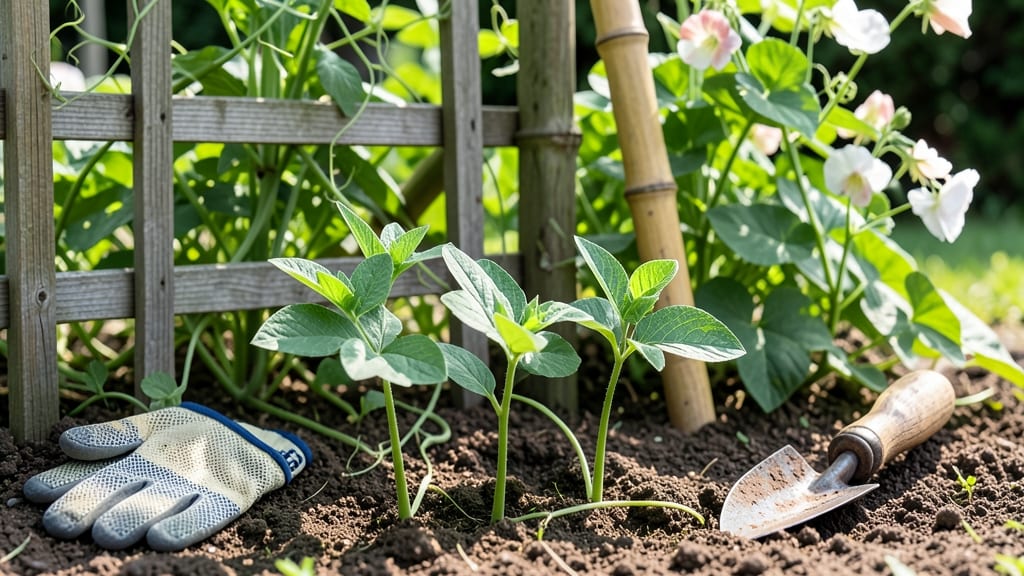
Planting garden peas at the right time ensures sweet, tender pods instead of bitter, woody failures — and the best window is 4-6 weeks before your last frost for a spring harvest.
Picture this: you’ve got your trellis ready, the soil is loose, and you’re eager to dig in—but if you plant too early, the cold soil will stall germination, or too late, the heat will send your peas bolting before you even get a harvest.
In USDA Zone 6a, that means early March for most varieties, but warmer regions can stretch into late summer for a fall crop. The key? Soil temperature matters more than the calendar.
Below, I’ll break down the exact months by region, how to adjust for early or late planting, and the simple tricks to keep your garden peas thriving from seed to pod.
Best planting months for garden peas by US Hardiness Zone
Garden peas (Pisum sativum) are cool-season champions that demand precise timing for success. Plant too early, and cold soil slows germination. Too late, and heat triggers bolting (premature flowering). Your USDA Hardiness Zone dictates the perfect window—whether it's early spring's crisp air or late summer's fading heat.
Let's break down the ideal planting months for Zones 3 through 10, including frost-sensitive areas and extended-season tips for warmer climates.
Peas thrive when soil temperatures hover between 40°F and 75°F. Below 40°F, seeds rot; above 75°F, they bolt. This 35°F window is your golden range. In colder zones, aim for early spring (4-6 weeks before last frost).
In warmer zones, late summer (8-10 weeks before first frost) works best. The key? Timing aligns with pea development—too early, and frost stunts growth; too late, and heat ruins flavor.
Why timing matters: Peas need 55-70 days to mature. Planting at the right time ensures pods swell just as weather cools. In Zones 3-5, early varieties (55-day) beat late frosts. In Zones 6-10, late varieties (70-day) avoid summer heat. Frost-sensitive areas (Zones 7-10) may need shade cloth or drip irrigation to extend the season.
In Zones 3-5, where winters are harsh, focus on early spring planting (March–
How to adjust pea planting for early spring or fall harvests
Extending your pea harvest beyond the standard spring window is easier than you think! With the right varieties and timing adjustments, you can enjoy fresh peas in early spring or fall harvests.
The key lies in understanding how to manipulate soil temperatures and choose cold-hardy or heat-tolerant varieties. I’ve planted peas in both seasons for years, and these strategies have consistently worked for me.
For early spring planting, focus on soil warming and succession planting to beat frost. In fall planting, prioritize cold-hardy varieties and early-maturing types to harvest before winter sets in.
Both approaches require careful planning, but the rewards—fresh peas when they’re scarce—are worth it. Let’s break down the exact steps to make it work in your garden.
- 1 Choose cold-hardy varieties like 'Lincoln' or 'Green Arrow' for early spring. These tolerate soil temps down to 40°F and germinate faster in cool conditions.
- 2 Warm soil before planting by covering beds with black plastic or straw mulch 2-3 weeks ahead. Aim for 45-50°F soil temps for best germination.
- 3 Plant 4-6 weeks before last frost in early spring. Use succession planting every 2 weeks for continuous harvests until summer heat arrives.
- 4 For fall harvests, plant 8-10 weeks before first frost using varieties like 'Oregon Sugar Pod' or 'Wando'. These mature quickly in cool weather.
- 5 Extend fall season with row covers or cold frames to protect plants from light frosts. Harvest before hard frosts damage vines.
One of the biggest mistakes I see is planting too early when soil is still cold, leading to poor germination or bolting (premature flowering). Always check soil temperature with a thermometer—45°F is the minimum for reliable sprouting.
If your soil is colder, wait or use a soil warming mat for a few days to kickstart growth.
For fall planting, timing is critical to avoid overwintering issues. Plant too late, and your peas won’t mature before frost. Too early, and they’ll bolt from long daylight hours in summer. Aim for late summer (August-September in most zones) and choose early-maturing varieties (55-60 days to harvest).
I’ve had great success with 'Tom Thumb' in fall—it’s compact and ready to harvest in just 55 days.
If you’re in a warmer climate (Zones 8-10), you can even try winter planting in protected microclimates. Use row covers or plant near south-facing walls to trap heat.
Just be prepared to harvest quickly before temperatures drop below 30°F. In my Zone 9 garden, I’ve grown peas in December with these methods!
Pro tip: Companion planting can also extend your season. Pair peas with radishes or lettuce to maximize space and confuse pests. And always harvest regularly to encourage more production—peas are prolific once they get going! With these adjustments, you’ll enjoy fresh peas for months instead of just a few weeks.