
Planting
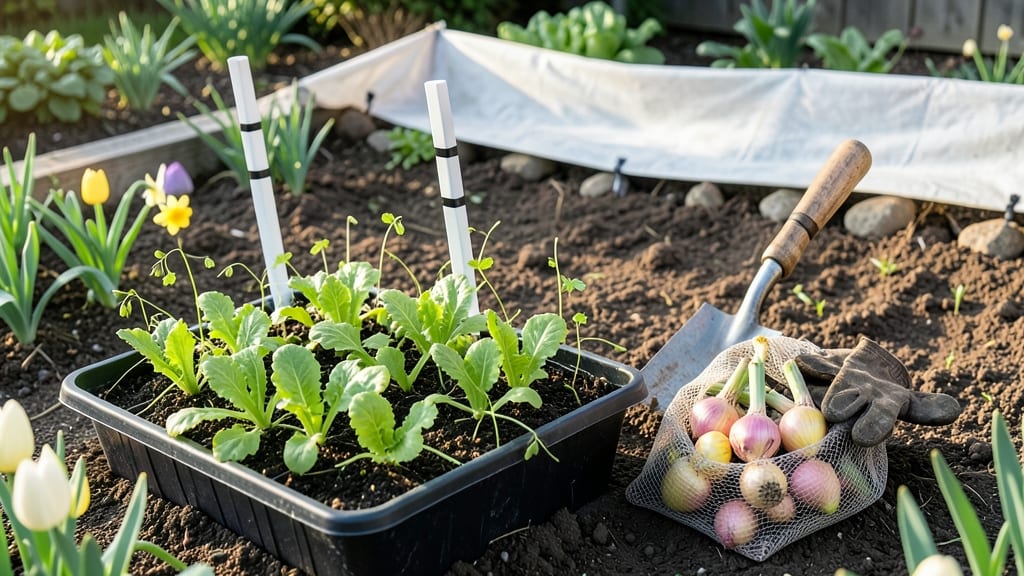
You should plant a garden in Ohio when soil temperatures hit 50°F and frost risk drops below 10%—typically mid-April to early May, depending on your zone.
Ohio’s unpredictable spring weather can turn a gardener’s excitement into frustration—plant too early, and frost ruins your hard work; too late, and you miss peak harvests. Timing your garden correctly means the difference between a thriving plot and a failed season.
For cool-season crops like spinach and peas, start seeds indoors in March or direct-sow as soon as the ground thaws. Warm-season favorites like tomatoes and peppers need to wait until after the last frost, usually late May, to avoid stunted growth.
Below, I break down frost-free dates by Ohio’s USDA zones 5-7, month-by-month planting schedules, and pro tips to adjust for late frosts or early heat—so you can plan with confidence.
Ohio’s frost-free dates by planting Zone: key deadlines for success
Ohio spans USDA Plant Hardiness Zones 5-7, meaning frost dates vary dramatically from northern to southern regions. In Zone 5 (northwest Ohio), the last spring frost typically hits around April 20-May 5, while Zone 7 (southern Ohio) sees its final frost by April 10-25.
These dates determine whether your tomatoes, peppers, or beans will thrive—or wilt. First fall frosts range from October 15-30 in Zone 5 to November 1-15 in Zone 7, forcing gardeners to time harvests carefully.
Understanding these frost-free windows helps you align planting with soil temperatures and daylight hours. For example, cool-season crops like kale or spinach can handle light frosts, while warm-season plants like cucumbers or squash need consistent warmth.
Even a 2-week delay can mean the difference between a bountiful harvest and stunted growth.
Here’s how Ohio’s USDA zones break down with critical frost dates and planting windows for both cool-season and warm-season crops:
For Zone 5 gardeners, starting cool-season crops like lettuce or carrots in early March gives them time to mature before summer heat. Meanwhile, Zone 7 gardeners can push the envelope by planting warm-season crops like tomatoes as early as mid-April, provided soil temperatures stay above 50°F.
A soil thermometer is your best friend here—warm-season plants won’t germinate in cold soil, no matter how warm the air feels.
Pro tip: Use row covers or cold frames to extend your growing season by 2–4 weeks in cooler zones. I’ve successfully grown spinach in Zone 5 until early May using a simple hoop tunnel, adding weeks to my harvest. Just remember to remove covers during the day to prevent overheating.
Warm-season crops like peppers and eggplants are especially sensitive to frost. In Zone 6, wait until after May 1 to transplant seedlings, even if your calendar says spring has arrived. These plants need consistent warmth to set fruit, and a late frost can devastate your efforts.
Start seeds indoors 6–8 weeks before your last frost date to give them a head start.
Fall planting is another critical window. In Zone 7, you can sow radishes or turnips as late as September 15 for a harvest before frost. In Zone 5, aim for August 1–15 to ensure crops mature before the first hard frost.
Use frost blankets to protect tender greens like baby kale or arugula if temperatures dip unexpectedly.
Don’t forget about perennials and woody plants, which have their own timing rules. In Ohio, bare-root trees and shrubs should be planted in early spring (March–April) or fall (October–November) when the ground isn’t frozen. This gives roots time to establish before extreme temperatures set in.
If you’re new to Ohio gardening, mark your calendar with these zone-specific deadlines and adjust based on your microclimate. A south-facing garden warms up faster than a north-facing one, so you might plant warm-season crops a week earlier in sunny spots.
Keep a gardening journal to track your local frost dates over time—Ohio’s climate shifts yearly, and your notes will help refine future planting schedules.
With these frost-free dates as your guide, you’ll avoid the heartbreak of frost-nipped seedlings and maximize your garden’s potential. Happy planting! 🌱
Best planting schedule for Ohio gardens: month-by-month guide by plant type
Ohio’s diverse climate means northern gardens (USDA zones 5-6) and southern regions (zone 7) have different planting windows. For example, Cincinnati gardeners can plant tomatoes 2 weeks earlier than those in Toledo.
Understanding these differences ensures your cool-season crops thrive before summer heat arrives, while warm-season plants establish roots before the first frost.
To simplify, I’ve broken down the best planting months by plant type, accounting for Ohio’s average last frost dates (mid-April in the south to late May in the north) and first frost (mid-October to early November).
Whether you’re growing herbs, flowers, or vegetables, this schedule keeps your garden productive year-round.
- Early Spring (March-April): Plant onions, peas, spinach, and lettuce as soon as soil is workable (4-6 weeks before last frost). Northern Ohio: Wait until mid-April; Southern Ohio: Start in late March.
- Late Spring (May): Transplant tomatoes, peppers, and eggplants after soil reaches 60°F (use a soil thermometer!). Northern Ohio: May 15; Southern Ohio: April 20.
- Summer (June-July): Sow beans, squash, and cucumbers directly into warm soil. Succession plant basil every 2 weeks for continuous harvests.
- Early Fall (August-September): Plant kale, radishes, and carrots for a fall harvest. Northern Ohio: Start by August 1; Southern Ohio: Extend to September 15.
- Perennials & Herbs: Divide asparagus crowns in early spring or late fall. Plant lavender and rosemary in spring for best establishment.
For cool-season vegetables like broccoli and cabbage, start seeds indoors 6-8 weeks before the last frost. These hardy crops tolerate light frosts, so don’t rush—wait until soil temperatures consistently stay above 40°F.
In southern Ohio, you can even plant a second crop of spinach in early September for a winter harvest.
Summer planting requires patience. Warm-season crops like tomatoes and peppers need warm soil to germinate, so avoid planting until late May in northern Ohio.
If you’re eager to start earlier, use black plastic mulch to warm the soil faster. Herbs like cilantro bolt in heat, so plant them in early spring or late summer for a second harvest.
Don’t forget fall planting! Garlic should be planted in October for a summer harvest, while radishes and turnips grow quickly in cool fall weather. Extend your season by covering young plants with row covers or cold frames to protect against early frosts.
Pro tip: Use a planting calendar tailored to your Ohio county for precise dates. For example, Columbus gardeners can plant zucchini by May 10, while Cleveland should wait until May 25. Adjust based on microclimates—south-facing beds warm up faster than shaded areas.