
Blooming
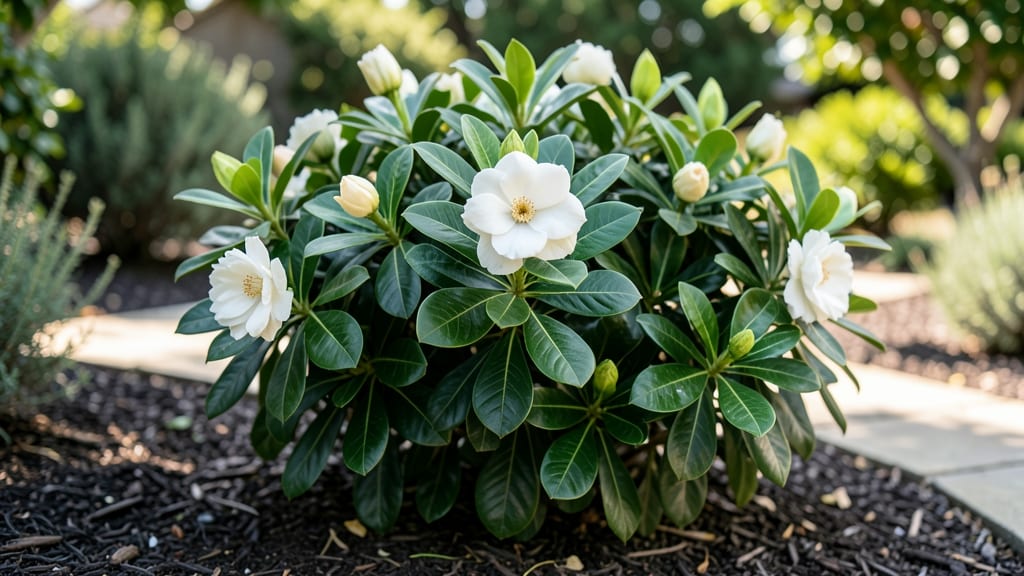
Gardenia blooms typically last between 2 and 4 weeks, though some varieties like G. radicans can extend their show to 6-8 weeks with the right care.
If you’ve ever watched your 🌸 gardenia put on a stunning display only to fade too soon, you’re not alone. The duration of those fragrant, creamy-white flowers depends on more than just luck—it’s a mix of variety, seasonal timing, and how you nurture the plant.
In this guide, we’ll break down exactly how long to expect blooms by variety, the seasonal factors that cut bloom time short (or lengthen it), and the simple adjustments you can make to keep those flowers coming back longer.
You’ll learn which gardenias are the longest-blooming performers, how to time pruning and feeding for maximum impact, and why your local climate might be secretly sabotaging your bloom duration.
Gardenia bloom duration by variety: from brief to extended flowering seasons
If you’ve ever wondered why your gardenia jasminoides blooms for just a few weeks while your neighbor’s gardenia radicans stays in flower for months, the answer lies in their genetic traits and growing conditions.
Some varieties are naturally prolonged bloomers, while others produce short, intense bursts of flowers. Understanding these differences helps you choose the right gardenia for your garden’s seasonal climate and care routine.
Most gardenias bloom during late spring to early summer, but their duration varies widely. For example, the classic G. jasminoides typically flowers for 2–3 weeks, while G. radicans (also called Cape Jasmine) can extend its display to 6–8 weeks under ideal conditions.
The key to longer blooms often comes down to soil acidity, light exposure, and pruning practices.
Soil pH is the #1 factor influencing bloom duration. Gardenias thrive in acidic soil (pH 5.0–6.5). If your soil is alkaline, your plant may produce fewer blooms that last shorter periods. A simple soil test can reveal whether you need to amend with sulfur or peat moss to create the perfect acidic environment for extended flowering.
Now, let’s compare the bloom durations of popular gardenia varieties. The table below highlights how each type performs, along with their ideal growing conditions and seasonal triggers for longer blooms.
| Variety | Bloom Duration | Peak Bloom Season | Key Traits for Longer Blooms |
|---|---|---|---|
| Gardenia jasminoides | 2–3 weeks | Late spring–early summer | Needs acidic soil and partial shade; prune after blooming. |
| Gardenia radicans (Cape Jasmine) | 6–8 weeks | Summer–early fall | Thrives in humid climates; tolerates more sun than other varieties. |
| Gardenia augusta | 3–4 weeks | Early summer | Requires consistent moisture and high humidity; avoid drought stress. |
| Gardenia fortuniana | 4–6 weeks | Summer | Prefers cooler climates (Zones 7–9); light pruning encourages bushier growth. |
| Gardenia resinifera | 3–5 weeks | Late spring | Native to tropical regions; needs year-round warmth and high humidity. |
The Gardenia radicans, often called Cape Jasmine, is the standout performer for extended blooming. Its natural resilience to hotter climates and ability to tolerate more direct sunlight give it a competitive edge.
If you live in Zones 8–10, this variety can bloom nearly year-round with minimal care.
For gardeners in cooler climates (Zones 6–7), the Gardenia fortuniana is a great choice. While its bloom duration is moderate (4–6 weeks), it adapts well to spring and summer conditions and often reblooms if given the right fertilizer mix and watering routine.
The trick is to feed it lightly with an acidic fertilizer every 4–6 weeks during the growing season.
If you’re growing gardenias in containers, choose dwarf varieties like Gardenia augusta, which typically bloom for 3–4 weeks.
Container-grown gardenias often have shorter bloom durations due to limited root space, but you can extend their flowering by repotting every 2–3 years and ensuring the soil stays consistently moist. A self-watering pot can also help maintain the humidity levels these plants crave.
One common misconception is that over-fertilizing will lead to longer blooms. In reality, too much nitrogen can reduce flowering and shorten bloom duration. Instead, opt for a balanced, acidic fertilizer with equal parts nitrogen, phosphorus, and potassium.
Apply it early in the morning to avoid leaf burn and ensure the plant uses the nutrients efficiently.
To identify which gardenia variety you have, check the leaf shape and bloom size. G. jasminoides has dark green, glossy leaves and large, fragrant blooms, while G. radicans features smaller leaves
5 Proven strategies to extend gardenia bloom time naturally
If you’ve ever admired gardenias for their lush white blooms and heavenly scent, you know how disappointing it is when their flowering season feels too short. The good news? With the right care, you can double or even triple their bloom time naturally.
Gardenias thrive when their basic needs—like acidic soil, consistent moisture, and proper light—are met. Let’s dive into the five most effective strategies to keep your gardenias in bloom longer.
One of the biggest misconceptions is that gardenias are high-maintenance divas. In reality, they’re responsive to small adjustments in their environment. For example, soil pH plays a crucial role—gardenias crave acidic conditions (5.0–6.5). If your soil is alkaline, blooms will be sparse and short-lived.
Similarly, overpruning can reduce flowering, while strategic trimming encourages more buds. Let’s explore these tactics in detail to transform your gardenia from a brief bloomer into a prolonged floral showstopper.
🌸 Top 5 Ways to Extend Gardenia Blooms
- 🌱 1. Prune for More Buds
Trim spent blooms and shape in early spring to encourage new growth. - 💧 2. Keep Soil Acidic
Test pH and amend with sulfur or peat moss to maintain 5.0–6.5 pH. - ☀️ 3. Optimize Light Exposure
Provide morning sun + afternoon shade to prevent leaf scorch. - 🌿 4. Water Deeply & Consistently
Soak roots every 3–5 days; avoid soggy soil. - 🪴 5. Fertilize Seasonally
Use acidic fertilizer (10-10-10) every 4–6 weeks in spring/summer.
Let’s start with pruning, which is often misunderstood. Many gardeners avoid pruning gardenias because they fear it will reduce blooms. However, the opposite is true! Pruning spent flowers (deadheading) and lightly shaping the shrub in early spring stimulates new growth.
Focus on removing overcrowded branches and crossing limbs—this improves airflow and redirects energy to flower production. Pro tip: Use sterilized shears to prevent disease spread.
Next, let’s talk about soil pH, which is non-negotiable for gardenias. These plants are acid-lovers, and alkaline soil can stunt their growth and shorten bloom time. Test your soil’s pH with a home kit or send a sample to your local cooperative extension service.
If the pH is above 6.5, amend it with elemental sulfur or peat moss. For container gardenias, use a pre-mixed acidic potting soil and repot every 2–3 years to refresh nutrients.
Light exposure is another critical factor often overlooked. Gardenias need bright, indirect light—think morning sun and afternoon shade. Too much direct sun can scorch leaves, while too little light weakens the plant, reducing bloom quality and duration.
If you’re growing gardenias in containers, place them near an east-facing window or under a dappled shade tree. In hot climates, a lightweight shade cloth can protect them during peak afternoon heat.
Consistent watering is the backbone of prolonged blooming. Gardenias hate dry soil, which causes buds to drop prematurely. Water deeply every 3–5 days, ensuring the soil is moist but not waterlogged. Use your finger to check moisture—if the top 1–2 inches are dry, it’s time to water.
For container plants, water more frequently (every 2–3 days) since pots dry out faster. Always water at the base of the plant to avoid wetting the leaves, which can lead to fungal diseases.
Finally, fertilization makes or breaks bloom duration. Gardenias respond best to a balanced, acidic fertilizer (like 10-10-10) applied every 4–6 weeks during the growing season (spring to summer). Avoid fertilizing in fall or winter, as the plant enters dormancy.
For an extra boost, mix in compost or worm castings to improve soil structure and nutrient retention. Remember: more fertilizer ≠ more blooms—overfeeding can burn roots and reduce flowering.
By implementing these five strategies, you’ll transform your gardenia from a short-lived bloomer into a long-lasting floral star. The key is consistency—gardenias reward attentive care with prolonged, fragrant blooms that’ll make your garden the envy of the neighborhood. Happy gardening! 🌸