
Planting
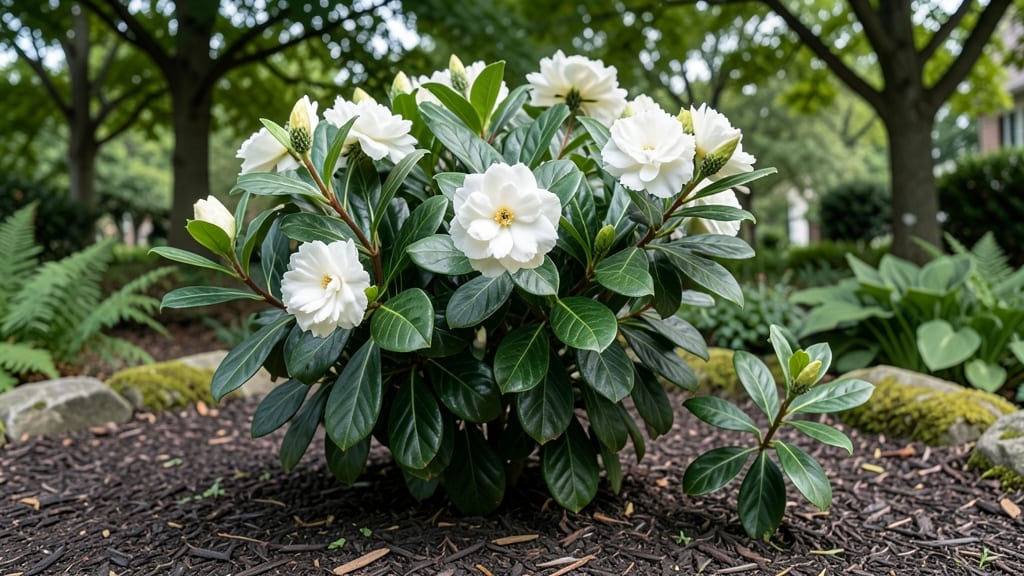
Understanding gardenia plant size is the first step to growing these fragrant shrubs 🌸 without overcrowding your landscape.
If you’ve ever dreamed of fragrant white blooms but hesitated because of gardenia plant size concerns, you’re not alone—many gardeners underestimate how much space these tropical beauties need to thrive.
A mature gardenia can stretch 4 to 6 feet tall and spread just as wide, making proper spacing and pruning essential for healthy growth.
This guide breaks down everything you need to know about gardenia plant size, from variety-specific dimensions to spacing tips that keep your garden looking polished. Whether you’re planting in the ground or containers, you’ll learn how to balance their natural size with your space—without sacrificing those intoxicating blooms.
Ready to plan your garden layout? We’ll cover how to control growth through pruning, the best spacing for airflow, and even how dwarf varieties fit into small gardens. Let’s get started!

How tall and wide gardenia plants grow (mature size guide)
Gardenia plants are prized for their intoxicating fragrance and glossy foliage, but their mature size often surprises new gardeners. On average, gardenias reach 3 to 6 feet tall and spread 3 to 5 feet wide, though varieties like Gardenia jasminoides (Cape Jasmine) can grow taller.
Understanding these dimensions helps you plan your garden layout and avoid overcrowding.
Most gardenias grow as shrubs with upright, rounded shapes, making them ideal for hedges or foundation plantings. Their growth rate is moderate—expect about 12 inches of growth per year under optimal conditions.
Dwarf varieties, like Gardenia augusta, stay compact at 2 to 3 feet tall, perfect for containers or small gardens.
Here’s a quick comparison of popular gardenia varieties and their mature sizes to help you visualize their potential:
| Variety | Mature Height | Mature Spread | Growth Habit | Best For |
|---|---|---|---|---|
| Gardenia jasminoides (Cape Jasmine) | 4–6 ft | 3–5 ft | Upright, rounded | Hedges, foundation plantings |
| Gardenia augusta (Dwarf Gardenia) | 2–3 ft | 2–3 ft | Compact, bushy | Containers, small gardens |
| Gardenia radicans (Creeper Gardenia) | 1–2 ft | 3–4 ft | Trailing, sprawling | Trellises, hanging baskets |
| Gardenia fortuniana (Fortune Gardenia) | 3–5 ft | 4–5 ft | Bushy, multi-stemmed | Privacy screens, borders |
The Gardenia jasminoides, often called Cape Jasmine, is the most common variety and can reach 6 feet tall with a 5-foot spread in ideal conditions. This makes it perfect for creating a fragrant privacy screen or a stunning focal point in your landscape.
If you’re working with limited space, the dwarf varieties like Gardenia augusta are excellent choices for containers or small gardens.
Gardenias thrive in acidic, well-draining soil with partial shade to morning sun. Their size can be influenced by pruning—regular trimming encourages bushier growth and prevents legginess. For example, if you prune your Gardenia jasminoides back by one-third after flowering, you’ll promote a fuller shape and control its height.
When planning your garden, consider the mature spread of gardenias. Placing them too close to other plants can lead to poor airflow, increasing the risk of fungal diseases like powdery mildew.
Aim for 3 to 5 feet of space between gardenias to ensure they have room to grow and stay healthy. In containers, choose pots that are at least 18 inches wide to accommodate their root systems.
If you’re growing gardenias in containers or small spaces, opt for dwarf varieties or prune regularly to keep them manageable. For instance, the Gardenia radicans is a trailing variety that works beautifully in hanging baskets or on trellises, adding a fragrant cascade to your patio or balcony.
Its sprawling habit makes it ideal for vertical gardening.
One common mistake gardeners make is underestimating how quickly gardenias can grow. In their first year, they may only reach 1 to 2 feet tall, but by year three, they can double in size.
This rapid growth is why planning ahead is crucial. If you’re adding gardenias to an existing garden, measure the space carefully and consider their future size to avoid overcrowding.
For large gardenia varieties, like the Gardenia fortuniana, expect them to fill out quickly. These plants can create a lush, fragrant hedge when planted in a row with 4 to 5 feet of spacing between each shrub.
Their bushy growth habit makes them excellent for defining garden borders or adding texture to mixed shrubbery beds.
In summary, gardenia plant size varies widely by variety, but most will need 3 to 6 feet of vertical space and 3 to 5 feet of horizontal space to thrive.
By choosing the right variety for your space and providing proper care, you can enjoy their stunning blooms and heavenly scent for years to come. 🌸
Proper spacing for gardenias: avoid crowding and boost blooms
When planning your garden, gardenia plant size plays a critical role in their health and blooming potential. These tropical shrubs need adequate space to develop strong root systems and promote airflow—both essential for preventing fungal diseases like powdery mildew.
Crowding not only stunts growth but also reduces the number of fragrant blooms you’ll enjoy.
Most gardenia varieties reach 3 to 6 feet tall and spread 3 to 5 feet wide at maturity. However, spacing requirements vary slightly depending on the variety. For example, Gardenia jasminoides (Cape Jasmine) typically stays compact, while larger types like Gardenia augusta may need extra room to thrive.
Proper spacing ensures each plant gets the sunlight and nutrients it needs.
Pros & Cons of Proper Gardenia Spacing
- Better airflow reduces fungal risks
- More sunlight = more blooms
- Easier maintenance (pruning, watering)
- Requires more space in small gardens
- Slower fill-in of garden beds
- Higher initial planting cost (more plants)
For optimal results, space gardenias 3 to 5 feet apart in garden beds. This spacing allows for good airflow while preventing branches from rubbing together, which can damage bark and invite pests.
If you’re planting near a fence or wall, leave at least 4 feet of clearance to avoid competition for nutrients and moisture.
In container gardens, choose pots that are at least 18 inches wide and deep for each plant. This mimics the root space they’d get in the ground. Overcrowding in pots leads to root-bound plants, which struggle to absorb water and nutrients efficiently.
Always use well-draining soil to prevent root rot, a common issue with improper spacing.
Proper spacing also affects sunlight exposure. Gardenias thrive in partial shade to morning sun, but crowded plants may cast shadows on each other, reducing bloom production. If you’re planting multiple gardenias, arrange them in a way that allows sunlight to reach all sides of the shrubs.
This might mean staggering their placement rather than planting them in neat rows.
Finally, remember that gardenias are long-lived plants. If you’re designing a landscape, think ahead about how their mature size will fit into your vision. A well-spaced gardenia can live for decades, so investing in proper spacing now will pay off with years of fragrant blooms and minimal maintenance.
Start with healthy, disease-free plants to set them up for success!