
Planting
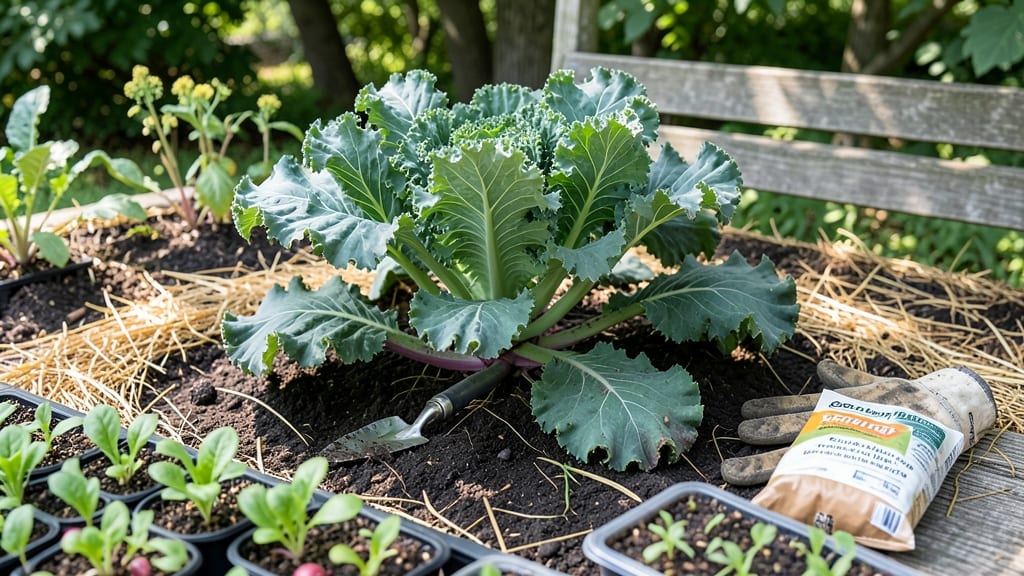
Planting a fall garden in Texas works best when you start between mid-August and early September—before the heat fades but after the worst summer scorch.
Texas gardeners know timing is everything—plant too early, and your fall crops will bolt in the heat; too late, and frost ruins your harvest. But with the right heat-zone strategy, you can grow thriving vegetables from late summer through winter.
This isn’t just about dates—it’s about matching your planting to Texas’ three distinct climate zones. North Texas has cooler nights, while South Texas stays warmer longer, and Central Texas sits right in the middle. Each zone needs a different approach to avoid wasted seeds or lost harvests.
In this guide, I’ll break down the perfect planting windows for your region, the best crops to grow, and how to adjust for Texas’ unpredictable weather—so you end up with a garden that thrives, not just survives.
Texas fall planting calendar by heat zone (North vs. Central vs. South)
Texas gardeners know timing is everything—plant too early, and your cool-season crops will bolt in the lingering summer heat. Too late, and a surprise early frost can wipe out your harvest before you enjoy it.
The key? Understanding your heat zone and adjusting your planting schedule accordingly. Texas spans three distinct zones: North, Central, and South, each with unique last-frost dates and temperature thresholds for optimal fall planting.
I’ve planted fall gardens across all three zones, and the difference in timing can mean the difference between a bountiful harvest and a disappointing one.
For example, in North Texas (Zone 7-8), you can start sowing broccoli and kale as early as mid-August, while in South Texas (Zone 9-10), you might wait until late September to avoid heat stress.
Let’s break down the exact planting windows for each zone, including the best cool-season crops to grow and how to adjust for your specific location.
Here’s a quick reference table to get you started. This summary-table outlines the ideal planting windows, temperature thresholds, and last-frost dates for each Texas heat zone. Use it as your guide to avoid common mistakes like planting too early or missing the frost-free window.
| Heat Zone | Ideal Planting Window | Temperature Threshold | Last Frost Date | Best Crops |
|---|---|---|---|---|
| North Texas (Zones 7-8) | Mid-August to early September | Soil temps below 85°F, night temps 75°F | Mid-November to early December | Broccoli, Kale, Carrots, Spinach, Lettuce |
| Central Texas (Zones 8-9) | Late August to mid-September | Soil temps below 80°F, night temps 70°F | Late November to mid-December | Cabbage, Brussels Sprouts, Radishes, Swiss Chard, Green Onions |
| South Texas (Zones 9-10) | Late September to early October | Soil temps below 75°F, night temps 65°F | Early December to mid-January | Collard Greens, Mustard Greens, Turnips, Beets, Peas |
In North Texas, where cooler temperatures arrive earlier, you can start sowing cool-season seeds as early as mid-August. Pay close attention to soil temperatures, which should drop below 85°F for optimal germination.
I’ve found that broccoli and kale thrive when planted in August, giving them enough time to mature before the first frost, which typically hits around mid-November. For carrots and spinach, aim for a late August start to avoid bolting in the heat.
Central Texas gardeners have a slightly shorter window but can still enjoy a productive fall garden. Start planting in late August when nighttime temperatures dip below 70°F. This zone is perfect for Brussels sprouts and cabbage, which need a longer growing season to reach maturity.
The last frost date here is usually late November to mid-December, so plan accordingly. If you’re in Austin or San Antonio, consider using row covers to extend your harvest into early winter.
For those in South Texas, where the heat lingers longer, patience is key. Wait until late September to plant cool-season crops, ensuring soil temperatures are below 75°F. This region is ideal for collard greens and mustard greens, which handle the milder winters well.
The last frost date here is often December or even January, giving you a longer growing season. However, be prepared for unpredictable cold snaps, which can damage tender crops like lettuce.
One of my biggest lessons? Always check your local frost dates and adjust your planting schedule accordingly. While the table above provides a general guideline, microclimates within each zone can shift frost dates by 1-2 weeks. For example, elevated areas in North Texas might frost earlier than valleys.
Use a frost calendar from your local Cooperative Extension Service for the most accurate data. This small step can save your garden from a frost-related disaster.
Another pro tip: Succession planting is your best friend in Texas. Instead of planting all your seeds at once, stagger your plantings every 2-3 weeks to ensure a continuous harvest. For instance, plant a batch of radishes in late August, another in early September, and a final batch in mid-September.
This way, you’ll have fresh radishes ready to pick from October through December, regardless of when frost hits. It’s a simple strategy that maximizes your yield and minimizes waste.
Don’t forget to prepare your soil before planting. Texas soil can be heavy and clay-like, which isn’t ideal for cool-season crops. Amend your soil with compost or aged manure to improve drainage and fertility.
I also recommend adding a balanced fertilizer (like 10-10-10) at planting time to give your crops a strong start. For containers or raised beds, use a lightweight potting mix to prevent compaction and ensure roots get the oxygen they need.
Finally, keep an eye on the weather forecast and be ready to act fast. If a cold front
Best fall vegetables for Texas gardens and their ideal planting times
Fall gardening in Texas is all about choosing the right heat-tolerant varieties and planting them at the perfect time. The key is to avoid the brutal summer heat while escaping early winter frosts.
My top picks for Texas gardens include leafy greens, root vegetables, and brassicas that thrive in cooler temperatures but can handle brief heat spikes.
For North Texas, aim to plant most fall crops between mid-August and early September when daytime temps drop below 90°F.
In Central Texas, you have a slightly longer window from late July to mid-September, while South Texas gardeners can start as early as mid-July for heat-resistant varieties.
- 1 Leafy Greens
- 2 Root Vegetables
- 3 Brassicas
- 4 Heat-Tolerant Options
Best Varieties: 'Black Seeded Simpson' lettuce, 'Texas Blue' spinach, 'Winter Density' kale
Planting Time: August-September (North), July-August (South)
Days to Harvest: 30-60 days
Best Varieties: 'Danvers' carrots, 'Purple Vienna' radishes, 'Golden Sweet' potatoes
Planting Time: August-October (soil temps < 85°F)
Days to Harvest: 45-90 days
Best Varieties: 'Waltham 29' broccoli, 'Blue Lake' cabbage, 'Mibuna' mustard
Planting Time: September-October (6-8 weeks before first frost)
Days to Harvest: 50-80 days
Best Varieties: 'Malabar' spinach, 'Swiss Chard' (Bright Lights), 'Okra' (Clemson Spineless)
Planting Time: July-August (South Texas only)
Days to Harvest: 40-70 days
My favorite Texas-friendly varieties include 'Texas Blue' spinach, which handles heat better than most, and 'Winter Density' kale, which stays sweet through light frosts. For root vegetables, I always plant 'Danvers' carrots in August—they mature quickly before winter sets in.
Pro tip: Use row covers for early plantings to protect seedlings from unexpected heat spikes. I've found that even a lightweight frost blanket can extend the growing season by 2-3 weeks in North Texas.
Don't forget about succession planting! For lettuce and radishes, sow new seeds every 2 weeks from August through October to ensure a continuous harvest. This works especially well in South Texas where the growing season lasts longer.
For broccoli and cabbage, wait until late September to plant—this gives them time to establish roots before temperatures drop. I've had the best luck with 'Waltham 29' broccoli, which produces large heads even in Texas' shorter fall season.
Remember, soil temperature matters just as much as air temperature. Use a soil thermometer to ensure roots stay cool—ideal temps are between 60-75°F for most fall crops. Happy planting! 🌱