
Light Requirements
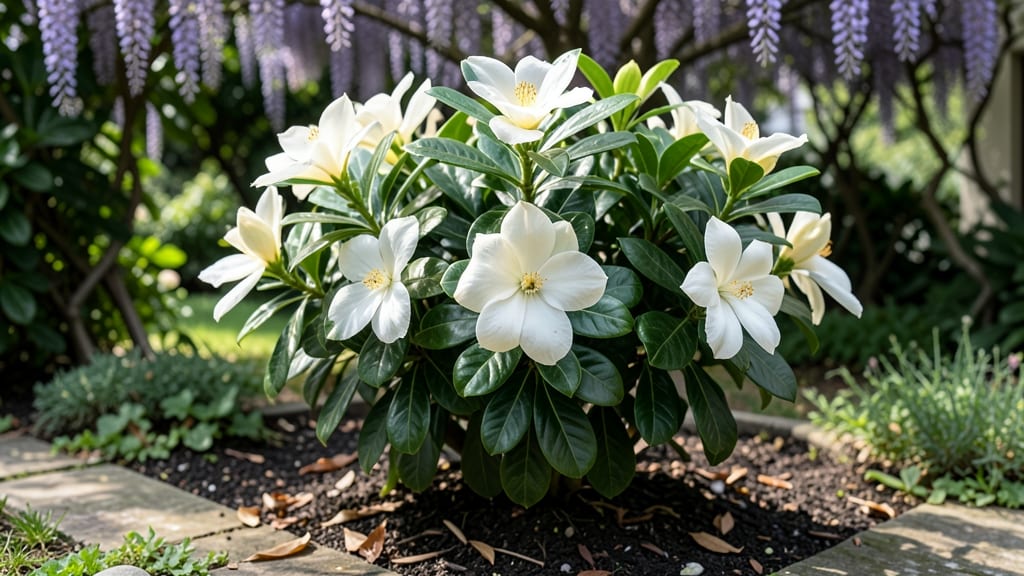
Growing the August Beauty Gardenia 🌸 with the right sun requirements means morning sun and afternoon shade — the key to preventing scorched leaves while keeping those fragrant blooms coming.
Struggling to keep your August Beauty Gardenia blooming vibrantly in August’s scorching heat? The right sun exposure is the secret weapon—too much direct sun can scorch leaves, while too little shade stunts flowers.
This sun-loving shrub thrives in 4-6 hours of morning light, but afternoon rays can turn its glossy leaves crispy. Whether you’re in a hot climate or a mild zone, the balance between sun and shade makes all the difference.
Here’s how to adjust sunlight for peak blooms, spot signs of stress, and keep your Gardenia thriving all summer long.

Why August beauty gardenias need morning sun and afternoon shade
Your August Beauty Gardenia thrives in partial sun, but getting the balance right in summer’s peak heat can feel like solving a puzzle. This fragrant shrub needs morning sunlight to fuel photosynthesis while avoiding the intense afternoon rays that cause leaf burn.
August’s UV index often hits dangerous levels, making this timing critical for your plant’s survival and bloom production.
The science behind this care strategy is rooted in how photosynthesis works. Morning sun provides the optimal light intensity (around 5,000-10,000 lux) without overheating leaves, while afternoon shade prevents heat stress.
Without this balance, your gardenia may develop crispy leaf edges, dropped buds, or even stunted growth—all signs it’s struggling in extreme conditions.
Let’s break down the ideal sunlight exposure for your gardenia during August, including how to adjust care based on your local climate and microclimate. Understanding these factors will help you create the perfect growing environment for continuous blooms and healthy foliage all summer long.
The morning sun (6 AM - 10 AM) is your gardenia’s power hour. During these coolest hours, the plant absorbs essential sunlight for energy production without the risk of heat damage. Think of it like a sunrise workout—just enough to get energized without overheating.
The UV index in August is often 8-11 (very high), so protecting your plant from afternoon sun (2 PM - 6 PM) is crucial to avoid leaf burn.
If you’re growing your gardenia in a container, rotate it every few days to ensure even sunlight exposure on all sides. This prevents one-sided growth and ensures your plant develops symmetrical foliage.
For in-ground plantings, choose a location near a large tree or east-facing wall that provides natural shade during peak heat hours. A 30-50% shade cloth can also be used if natural shade isn’t available.
Another key factor is light intensity. Gardenias thrive in bright, indirect light rather than harsh, direct rays. In August, this means avoiding south-facing windows or open patios where the sun is most intense.
Instead, opt for east-facing exposures or west-facing spots with afternoon shade. You’ll know you’ve got the right balance when your gardenia’s leaves stay deep green and glossy, not yellow or crispy.
Adjusting your gardenia’s care during peak summer months involves more than just sunlight management. Increase watering frequency to every 3-4 days (deep soak method) to help the plant cope with heat stress. Mulching with 2-3 inches of organic mulch (like pine bark) also helps retain moisture and regulate soil temperature.
This extra layer acts like a cooling blanket for your gardenia’s roots during the hottest part of the day.
Watch for signs of heat stress, such as wilting leaves, dropped buds, or yellowing foliage. These are clear indicators your gardenia is getting too much direct sun. If you notice these symptoms, move your plant to a shadier spot immediately and increase watering temporarily.
On the flip side, if your gardenia’s leaves appear pale or leggy, it’s likely not getting enough light—gradually introduce more morning sun over a week to avoid shocking the plant.
For gardeners in hotter climates (like USDA Zones 9-11), consider using a lightweight shade cloth during the hottest weeks of August. A 30% shade cloth filters enough sunlight to prevent burn while still allowing photosynthesis.
How to adjust sun exposure for August beauty gardenias in different climates
The August Beauty Gardenia thrives in partial sun, but the ideal balance shifts dramatically across tropical, subtropical, and temperate zones. In USDA Zone 10+, afternoon heat can scorch leaves, while Zone 7-9 gardens need protection from intense summer rays.
Let’s break down how to tailor light exposure for peak blooms without stressing your plant.
Start by observing your garden’s microclimates. An east-facing patio offers gentle morning light, while a west-facing spot gets harsh afternoon sun. Use these as your baseline, then adjust with pruning or shade solutions. The key is filtering direct rays while keeping enough light for photosynthesis.
-
🌡️ Tropical Zones (Zone 10+)
- Use 50% shade cloth to block afternoon sun (1 PM–5 PM).
- Prune to open canopy for airflow and reduce leaf burn.
- Plant near tall trees (e.g., oak, maple) for natural dappled shade.
-
🌿 Subtropical Zones (Zone 8-9)
- Position in morning sun only (6 AM–12 PM) with afternoon shade.
- Install reflective mulch (e.g., white gravel) to reduce soil heat.
- Prune lower branches to elevate foliage away from hot ground.
-
🌳 Temperate Zones (Zone 7 or cooler)
- Place in south-facing windows or east-facing patios for indirect light.
- Avoid west-facing spots—use 30% shade cloth if no alternative.
- Group with taller plants (e.g., bamboo, hydrangeas) for natural shade.
For container gardenias, move pots to shadier spots by late afternoon. A lightweight shade cloth (like Agribon) draped over a trellis works wonders—just ensure it doesn’t touch leaves, which can cause moisture buildup and fungal issues.
I’ve seen gardenias in Zone 9 thrive with a removable shade screen adjusted daily based on weather forecasts.
Pruning is your best tool for natural light control. Thin out dense branches to improve airflow and reduce heat absorption. Aim to keep the inner canopy open while maintaining a rounded shape. Prune after flowering in late summer to avoid cutting back next year’s blooms.
Monitor your gardenia’s leaf color as your guide. Yellowing edges signal too much sun, while pale, leggy growth means it’s not getting enough light. Adjust gradually—sudden changes can shock the plant. With the right balance, your August Beauty Gardenia will reward you with fragrant blooms all season long.
Pro tip: Pair your gardenia with heat-tolerant companions like coleus or impatiens to create a low-maintenance shade microclimate. These plants thrive in similar conditions and add color without competing for light.