
Blooming
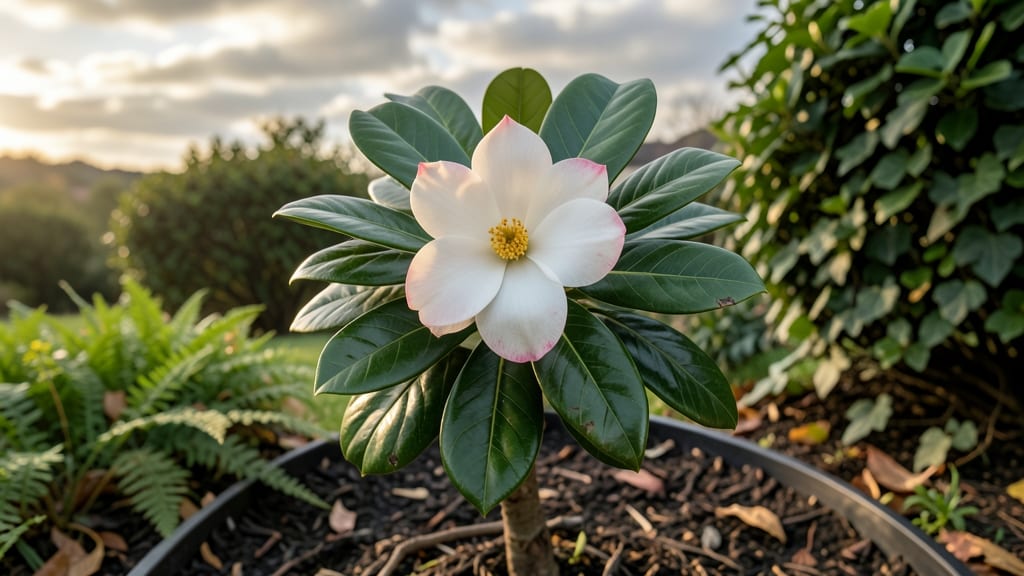
Gardenias bloom during late spring through early fall months, with most varieties peaking between May and July in temperate regions, though exact timing depends on the specific type and growing environment. Tropical gardenias may continue flowering year-round with consistent warmth.
Understanding gardenia bloom cycles starts with recognizing how climate drives their growth patterns. 🌸 In cooler regions, gardenias enter dormancy during winter months, conserving energy until temperatures rise in spring.
This seasonal rhythm explains why most varieties burst into bloom as daylight hours lengthen—typically between April and August—when the plant receives sufficient sunlight and warmth. Tropical varieties, however, bypass this seasonal pause entirely, thanks to their natural adaptation to stable, warm conditions.
What's fascinating is how gardenias respond to environmental cues beyond just temperature. For instance, humidity levels play a crucial role—too little can cause buds to drop before opening, while consistent moisture helps maintain vibrant blooms.
Even in temperate climates, gardeners can extend the flowering season by providing afternoon shade during peak summer heat, which prevents stress-induced bud drop. This adaptability is why gardenias remain popular in both garden beds and container growing across diverse climates.
💡 In This Article
- Climate and Seasonal Factors Affecting Gardenia Flowering
- Best Gardenia Varieties for Year-Round or Seasonal Blooms
Climate and seasonal factors affecting gardenia flowering
Gardenias rely on a delicate balance of environmental cues to trigger their blooming cycles.
The most critical factor is temperature—most varieties need daytime highs consistently above 60°F (15°C) to initiate bud formation. 🌡️ In temperate zones, this typically occurs in late spring when soil temperatures rise above 55°F (13°C), signaling the plant to break dormancy.
The hormonal shift involves increased production of florigen, a protein that travels from leaves to buds, prompting them to open. Tropical gardenias, however, produce florigen continuously because their stable 70-85°F (21-29°C) environment never triggers dormancy.
Daylight hours also play a surprising role through a process called photoperiodism. Gardenias are short-day plants, meaning they respond to decreasing daylight in late summer by preparing for dormancy.
This explains why blooms taper off in September-October in northern climates—even if temperatures remain warm. 🌅 In tropical regions, where day lengths stay nearly constant, this signal never occurs, allowing continuous flowering.
Humidity becomes equally vital: buds require 50-70% relative humidity to open properly; below 40%, they often drop before blooming.
What many gardeners overlook is how wind patterns affect pollination and subsequent blooming. Gardenias release their sweet, jasmine-like fragrance most intensely during late afternoon, which coincides with peak pollinator activity (like moths and bees).
In windy conditions, this scent dispersion can trigger neighboring plants to bloom earlier—a phenomenon called "scent-induced flowering." This explains why gardenias in sheltered microclimates (like near walls or fences) often bloom 2-3 weeks earlier than those in exposed areas.
Seasonal transitions create another critical window: the 2-3 week period after the last frost when soil warms but air temperatures remain moderate (65-75°F / 18-24°C). During this time, gardenias undergo what botanists call "vernalization"—a cold-induced period that actually prepares them for more robust flowering.
This is why gardenias planted in Zone 8-10 often produce larger, more abundant blooms than those in colder zones, despite similar care.
For container gardeners, this climate sensitivity becomes even more pronounced. Pots heat up 10-15°F (5-8°C) hotter than garden soil on sunny days, which can advance blooming by 3-4 weeks if not managed. Using light-colored containers or applying reflective mulch helps mitigate this effect.
The opposite challenge occurs in winter: gardenias in containers can experience temperature swings of 20°F (11°C) overnight, shocking the plant and delaying spring blooming by up to 6 weeks.
One often-missed factor is how rainfall patterns influence blooming. Gardenias store water in their thick, leathery leaves, but prolonged dry spells (more than 2 weeks without rain) force them to prioritize survival over flowering.
This explains why gardenias in Mediterranean climates (with hot, dry summers) often bloom in spring and fall rather than continuously. 💧 The solution? Implementing drip irrigation systems that deliver 1-1.5 inches of water weekly during dry periods can extend the blooming season by 4-6 weeks.