
Fertilization
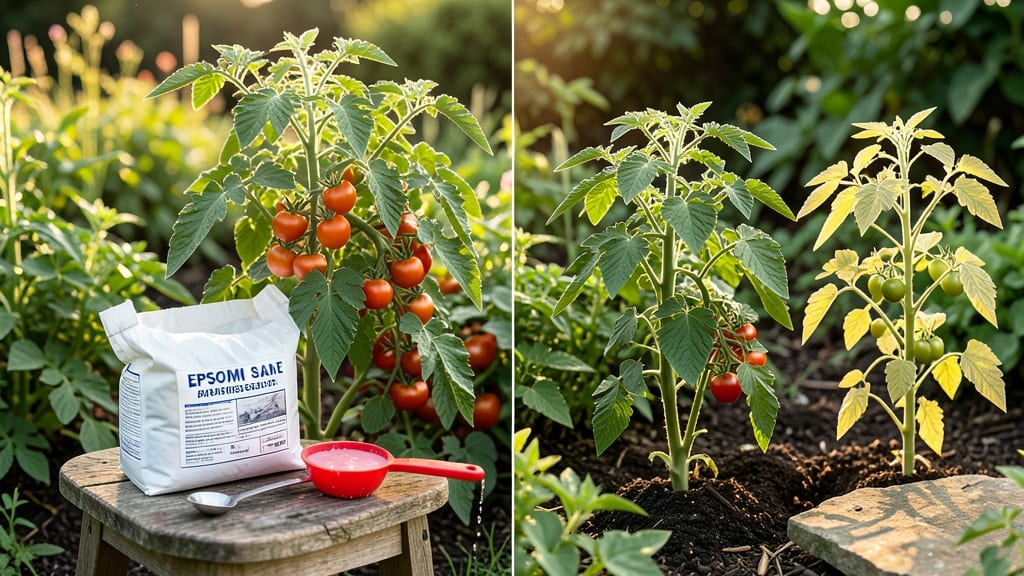
Your Epsom salt garden could be the secret weapon against yellowing leaves and stunted growth — and the fix is simpler than you think.
If your garden plants are showing yellowing leaves despite proper watering and sunlight, Epsom salt might be the quick fix you’ve been missing. This mineral-packed solution boosts magnesium levels, which many garden soils lack, and can turn around struggling plants in just a few weeks.
But here’s the catch: using it wrong can do more harm than good. Too much Epsom salt throws off soil chemistry, and some plants don’t need it at all.
I’ll walk you through exactly how to apply it—whether you’re dealing with wilting tomatoes, drooping roses, or just want to give your 🌱 General Garden Plants a nutrient boost.
By the end, you’ll know the fastest way to revive yellowing leaves, how often to repeat the treatment, and which plants actually benefit (hint: it’s not just for flowers). Let’s get those leaves green again!
Why Epsom salt fixes yellowing leaves in plants (science-backed explanation)
You’ve watered your plants properly, given them enough sunlight, and yet those leaves still turn yellow. The culprit might be a magnesium deficiency, and Epsom salt (magnesium sulfate) could be your garden’s unsung hero.
This mineral compound helps plants absorb essential nutrients and produces chlorophyll, the pigment responsible for that lush green color. When magnesium levels drop, leaves lose their vibrancy, starting with the older ones first.
Epsom salt works by delivering a quick, soluble dose of magnesium directly to plant roots or leaves. Unlike slow-release fertilizers, it dissolves instantly, making it ideal for plants showing immediate signs of stress.
Think of it as a nutrient IV drip for your garden—fast-acting but not a long-term fix for poor soil health. The key is knowing which plants need it most and how to spot a true magnesium deficiency versus other issues like iron chlorosis or overwatering.
🌱 Did You Know? Epsom salt has been used in gardening since the 19th century, but its popularity surged in the 2000s as organic gardening grew. Today, it’s a staple in vegetable gardens, flower beds, and houseplant care for its ability to revive struggling plants in days.
| Plant Type | Signs of Magnesium Deficiency | Epsom Salt Fix | Best Time to Apply |
|---|---|---|---|
| Tomatoes | Yellowing between leaf veins, poor fruit set | 1 tbsp per plant every 2 weeks | Early morning or evening |
| Peppers | Curling leaves, stunted growth | 1 tsp per gallon of water (foliar spray) | When flowers appear |
| Roses | Yellowing on lower leaves, weak stems | 2 tbsp per foot of plant height | Spring and early summer |
| Houseplants (e.g., ferns, palms) | Yellow patches on older leaves | ½ tsp per gallon of water (monthly) | During active growth phase |
| Citrus Trees | Yellowing on new growth, small fruit | 1 cup per tree every 3 months | Late winter or early spring |
Magnesium deficiency often mimics other problems, so how do you know it’s the real issue? Look for interveinal yellowing—the areas between leaf veins turn yellow while the veins stay green.
This is classic magnesium deficiency, not to be confused with iron deficiency (which causes yellowing including veins) or nitrogen deficiency (uniform yellowing). If your plants also show purple stems or stunted growth, phosphorus might be lacking instead.
Epsom salt is especially effective for heavy clay soils or sandy soils, where magnesium leaches away quickly. Even in well-draining soil, plants like tomatoes, peppers, and roses are heavy magnesium users.
These plants show dramatic improvement within 7–14 days of treatment, making Epsom salt a low-cost, high-impact solution for gardeners.
That said, don’t grab the Epsom salt for every yellow leaf. If your plants are wilted, crispy, or show brown edges, the issue might be water-related or fungal. Always rule out overwatering or pests first.
For example, aphids can cause yellowing by sucking sap, while root rot turns leaves yellow and mushy. Epsom salt won’t help with these problems—it’s purely a magnesium booster.
For the best results, combine Epsom salt with a soil test to confirm magnesium levels. If your soil is already rich in magnesium, overusing Epsom salt can lead to sodium buildup, harming beneficial microbes.
Think of it as a short-term remedy, not a replacement for compost or balanced fertilizer. Used correctly, though, it’s a game-changer for reviving plants that seem beyond saving.
Pro tip: Mix 1 tbsp of Epsom salt into 1 gallon of water for a foliar spray, or sprinkle it directly into the soil around the plant’s drip line.
Water thoroughly afterward to activate the magnesium. Your plants will thank you with deeper greens and stronger stems in no time.
Step-by-step guide: how to apply Epsom salt for fast leaf recovery
Epsom salt is a gardener’s secret weapon for reviving plants with magnesium deficiency. When applied correctly, it can restore vibrant green leaves in just 2-4 weeks. The key is knowing how much to use and when to apply it—whether directly to the soil or as a foliar spray.
Before diving in, check your soil’s pH and nutrient levels. Epsom salt works best in slightly acidic to neutral soil (pH 6.0-7.0). If your soil is already over-fertilized or high in sulfur, skip this treatment to avoid harming your plants.
How to Apply Epsom Salt for Fast Recovery
-
Step 1: Choose Your Method
- Soil Application: Best for root uptake (ideal for tomatoes, peppers, and roses).
- Foliar Spray: Faster results for leaf recovery (great for houseplants and herbs).
-
Step 2: Soil Application Dosage
- Vegetables/Fruits: 1 tbsp per plant every 4-6 weeks.
- Flowers/Shrubs: 1 tbsp per sq ft (max 2 tbsp total).
- Houseplants: ½ tsp per 6-inch pot monthly.
-
Step 3: Foliar Spray Recipe
- Mix 1 tbsp Epsom salt in 1 gallon of water.
- Add 1 tsp mild soap (like Castile soap) to help it stick.
- Spray evenly on leaves in the early morning (avoid direct sunlight).
-
Step 4: Application Frequency
- Soil: Every 4-6 weeks during growing season (spring-fall).
- Foliar: Every 2 weeks until leaves recover (max 4 sprays).
-
Step 5: When NOT to Use Epsom Salt
- Over-fertilized soil: Too much sulfur or magnesium can burn roots.
- Drought conditions: Wait until soil is moist before applying.
- Fungal issues: Epsom salt won’t fix powdery mildew or root rot.
For best results, combine Epsom salt with compost or organic fertilizer to balance nutrients. Monitor your plants for improved leaf color within 2-3 weeks. If yellowing persists, test your soil for other deficiencies like iron or nitrogen.
Remember, Epsom salt is a supplement, not a cure-all. Pair it with proper watering, sunlight, and soil care for long-term plant health. With the right approach, your garden will be lush and green in no time! 🌿