
Landscaping
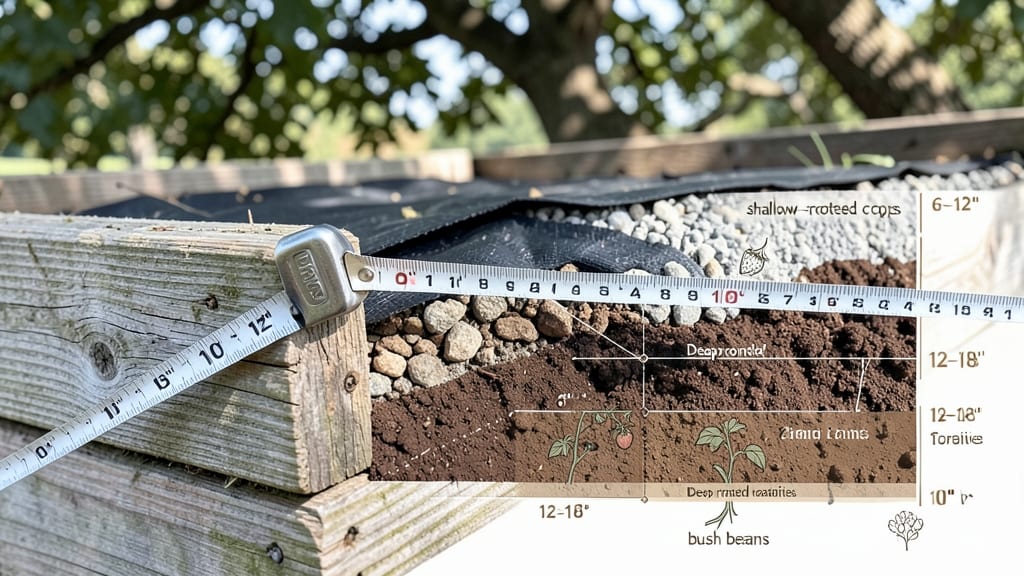
Deciding how tall to make raised garden beds ensures your 🌱 plants thrive with proper root depth and drainage—so you’re not left with stunted veggies or soggy soil.
Picture this: You’ve spent hours building your dream raised bed, only to realize it’s too shallow for carrots or too tall for herbs. The height you choose isn’t just about looks—it’s about what grows best in your space and how easy it is to maintain.
Too low, and deep-rooted crops like potatoes or asparagus will struggle. Too high, and you’ll waste materials while making weeding and harvesting a chore. The sweet spot balances soil volume, accessibility, and plant needs—whether you’re growing flowers, veggies, or herbs.
In this guide, I’ll break down the ideal heights for different plants, how to adjust for accessibility, and why drainage and ergonomics matter just as much as aesthetics. Let’s get your raised beds built right the first time.

Optimal raised garden bed height for root depth and plant types
Choosing the right height for your raised garden bed isn’t just about how much soil you can fit—it’s about matching your plants’ root systems and your garden’s needs. Most gardeners default to 6–12 inches of soil depth, but this works best for shallow-rooted plants like lettuce or herbs.
Deep-rooted crops such as asparagus or carrots demand 18–24 inches to thrive, while taller beds improve drainage and heat retention in hot climates.
Your bed’s height also affects accessibility and maintenance ease. A 4-foot-tall bed might be perfect for wheelchair users, while a 12-inch bed is ideal for kids or those with limited mobility. The key is balancing soil volume, plant requirements, and your personal comfort.
Here’s a quick reference to help you decide based on your plants and goals:
For shallow-rooted plants, a 6–12-inch bed is perfect—it’s lightweight, easy to build, and keeps soil warm in spring. But if you’re growing deep-rooted crops, skip the shallow beds entirely. Asparagus, for example, needs 18–24 inches of soil to establish properly, and carrots will fork if cramped.
Height also impacts drainage and heat retention. Taller beds (18+ inches) drain faster in heavy rains, reducing root rot risks, while shorter beds (6–12 inches) stay cooler in summer.
If you live in a hot climate, consider adding mulch to deeper beds to lock in moisture.
Don’t overlook accessibility. A 4-foot-tall bed is ideal for wheelchair users, while a 12-inch bed works for kids or those who prefer bending less. Measure your comfort level—if reaching the center is a struggle, opt for narrower, taller beds (e.g., 2 feet wide) to avoid overreaching.
Pro tip: Start with a 12-inch bed for versatility—it works for most vegetables and herbs, and you can always add layers of soil later if you introduce deep-rooted plants. Just ensure your bed has drainage holes at the bottom to prevent water buildup.
If you’re unsure, test your soil’s drainage rate first. Fill a bucket with your soil mix, add water, and time how long it takes to drain. If it’s slower than 30 minutes, your bed needs better aeration—like perlite or coarse sand—to prevent soggy roots.
Remember, your bed’s height isn’t set in stone. You can always extend it vertically by adding compost or topsoil over time, especially if you later decide to grow deeper-rooted crops. Start with what fits your current needs, then adapt as your garden evolves.
How to choose raised garden bed height based on your plants and climate
Choosing the right height for your raised garden beds is more than just a design choice—it directly affects what you can grow and how well your plants thrive. Herbs like basil and leafy greens need only 6-12 inches of soil, while carrots and asparagus demand 18-24 inches to spread their roots.
Your local climate also plays a role, with warmer southern regions benefiting from taller beds to retain moisture, while cooler northern climates may need slightly lower beds to avoid frost heave damage.
For gardeners with mobility challenges, accessibility is key. A 30-36 inch height makes planting and harvesting easier without requiring bending, while children-friendly beds should sit at 12-18 inches for little hands.
Soil quality matters too—sandy soils drain faster, so deeper beds help retain moisture, while clay-heavy soils benefit from extra height to prevent waterlogging.
- 🌱 6-12 inches for shallow-rooted plants like lettuce, herbs, and strawberries—ideal for small spaces and easy maintenance.
- 🥕 12-18 inches for medium-rooted crops like radishes, beets, and bush beans—balances root space and accessibility.
- 🌿 18-24 inches for deep-rooted vegetables like carrots, potatoes, and asparagus—essential for full growth potential.
- 🦽 30-36 inches for accessibility—reduces bending for adults or wheelchair users while keeping soil depth sufficient.
- ☀️ Adjust for climate: Taller beds in hot, dry climates retain moisture; lower beds in cold regions prevent frost damage.
If you’re growing in containers or portable beds, aim for 12-18 inches to accommodate most vegetables while keeping the structure lightweight. Wooden beds should never exceed 36 inches to avoid rot, while metal or composite materials can handle up to 48 inches if properly supported.
Always leave 2-3 inches of space between the bed and ground for airflow and to prevent pests from burrowing underneath.
For northern climates with shorter growing seasons, prioritize 12-18 inch beds to warm up faster in spring.
In southern climates, taller beds (up to 24 inches) help cool roots during peak summer heat. Soil amendments like compost or coconut coir can also adjust drainage—add more to sandy soils and less to clay-heavy mixes to optimize moisture retention.
Pro tip: Test your soil before building! A simple jar test (fill a jar with soil and water, then shake) reveals drainage—if water pools after 2 hours, your bed needs better aeration or a deeper profile.
For urban gardeners with limited space, stackable planters or vertical towers can mimic raised beds while saving ground space.
Remember, flexibility is key. Start with a 12-inch bed for herbs and greens, then expand to 24 inches for root crops as your garden grows.
The right height isn’t set in stone—it’s about matching your plants’ needs to your space and climate for a thriving, low-stress harvest every season. 🌱