
Advice
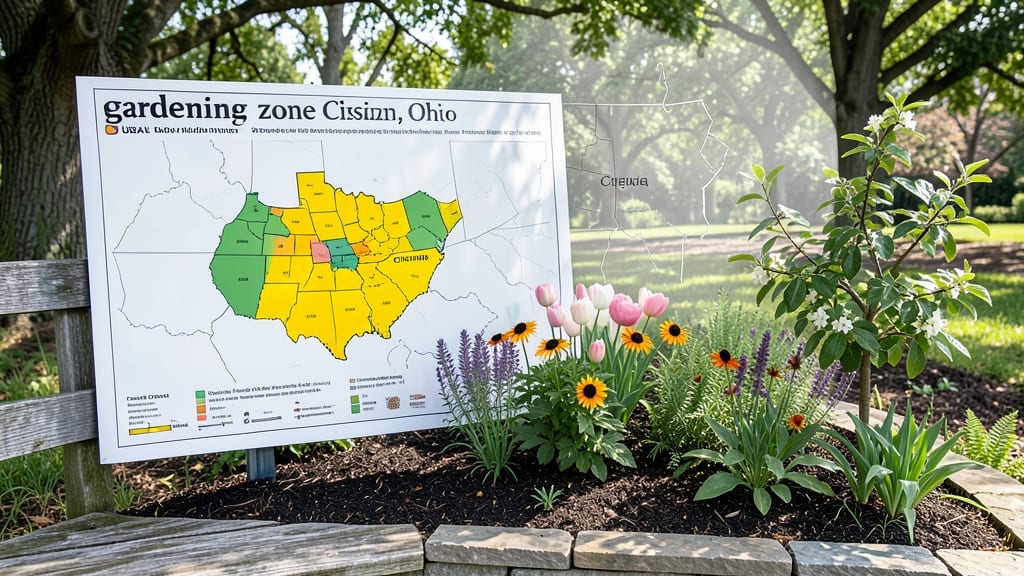
What gardening zone is Cincinnati, Ohio? The city falls in USDA Hardiness Zones 6a and 6b, where winter lows dip to -10°F (-23°C) and -5°F (-21°C), respectively.
If you're planning a garden in Cincinnati, knowing your USDA planting zone is the first step to choosing the right plants—and avoiding costly mistakes. With Cincinnati spanning USDA Zones 6a and 6b, timing your plantings correctly can mean the difference between a thriving garden and a failed harvest.
This zone classification helps you pick plants that survive local winters, like cold-hardy potatoes 🌱 or perennials, while avoiding tender varieties that won’t make it past the first frost. It also tells you when to plant—typically after mid-April—and when to expect the first frost in mid-October.
Below, I’ll break down what this zone means for your garden, how to verify it using the USDA map, and the best plants to grow in Cincinnati’s climate. Ready to plan your best season yet?
Understanding Cincinnati’s USDA zone 6a-6b: what it means for your garden
Cincinnati sits squarely in USDA Hardiness Zones 6a and 6b, where winter lows range from -10°F (-23°C) in 6a to -5°F (-21°C) in 6b. This classification determines which plants thrive in your yard, as it reflects your area’s average annual minimum temperatures.
For gardeners, this means selecting cold-hardy perennials that survive Cincinnati’s winters while also planning for heat-tolerant annuals during summer months.
The last average frost date in Cincinnati typically falls around mid-April, while the first frost arrives in mid-October. These dates create a 165-day growing season, giving you ample time for warm-season crops but requiring careful timing for cool-season plants.
Understanding these dates helps you avoid late frost damage or overwintering failures.
Here’s how Cincinnati’s zones break down in practical terms for your garden:
Cincinnati’s microclimates add complexity to zone planning. Urban areas like Downtown or Over-the-Rhine often experience heat islands with temperatures 2-5°F warmer than rural areas. Meanwhile, river valleys and elevated spots may see cooler conditions, allowing you to grow slightly tender plants successfully.
Always check your specific neighborhood’s microclimate before committing to marginal plants.
For spring planting, wait until after the mid-April last frost date to avoid damaging tender seedlings. Use row covers or cold frames to extend your season if needed. In fall, plant cool-season crops like kale or spinach by early September to ensure harvest before the mid-October frost.
These adjustments maximize your growing season potential in Cincinnati’s climate.
Zone 6a-6b also influences perennial plant selection. Cold-hardy shrubs like butterfly bush or smoke bush thrive in both zones, while zone 6b’s slightly warmer winters allow for marginally hardier plants like ornamental grasses or dwarf conifers.
Always verify a plant’s USDA zone range before purchasing, as a zone 6a plant may struggle in a zone 6b winter if exposed to extreme cold pockets.
Extreme weather events, like late spring frosts or early fall freezes, can disrupt your garden plans. Monitor local frost forecasts and keep frost cloth or mulch on hand to protect vulnerable plants.
Cincinnati’s variable weather patterns mean flexibility is key—don’t plant heat-loving tomatoes too early, even if the calendar suggests it’s safe.
To confirm your exact zone, use the USDA Plant Hardiness Zone Map and enter your street address for precise data. This tool accounts for local variations and provides the most accurate guidance for your specific location in Cincinnati.
Once you know your zone, you can tailor your plant list to match your climate’s realities.
Understanding Cincinnati’s USDA Zone 6a-6b isn’t just about picking the right plants—it’s about working with your climate to create a garden that thrives year after year. With the right knowledge, you’ll avoid common pitfalls and enjoy a productive, beautiful garden that suits Cincinnati’s unique growing conditions. 🌱
Best plants for Cincinnati’s USDA zone 6a-6b: a seasonal planting guide
Cincinnati’s USDA Zones 6a and 6b offer a perfect balance for gardeners—cool winters and warm summers that support diverse plant life. Whether you’re growing vegetables, flowers, or shrubs, choosing the right plants for each season ensures a bountiful harvest.
Zone 6a can handle -10°F temps, while 6b tolerates -5°F, so select plants accordingly.
For spring planting, focus on cold-hardy crops like kale and peas, while summer thrives with heat-loving tomatoes and marigolds. Fall brings hearty broccoli and pansies, and winter-friendly evergreens add year-round interest. Native plants like butterfly weed also thrive here, supporting local ecosystems.
Timing is everything—most cool-season crops go in early spring or fall, while warm-season plants wait until after the last frost (mid-April). Spacing matters too: tomatoes need 18-24 inches apart, while carrots can squeeze into 3-inch rows.
Below, I’ve curated the best seasonal plants for Cincinnati’s climate, including maturity times and spacing.
Native plants are a smart choice for Cincinnati gardens—they’re low-maintenance and support local wildlife. Try black-eyed Susans for summer blooms or Virginia bluebells for spring color. These plants thrive in Zone 6a-6b with minimal care, making them perfect for beginners or busy gardeners.
Don’t forget to adjust your watering schedule based on the season. Summer heat demands daily watering for vegetables, while fall rains may require less. Use mulch to retain moisture and regulate soil temperature, especially for warm-season crops like tomatoes.
With the right seasonal plants and a little planning, your Cincinnati garden can flourish year-round. Start with these zone-appropriate picks, and soon you’ll be harvesting fresh produce and enjoying vibrant blooms—no matter the season! 🌱