
Planting
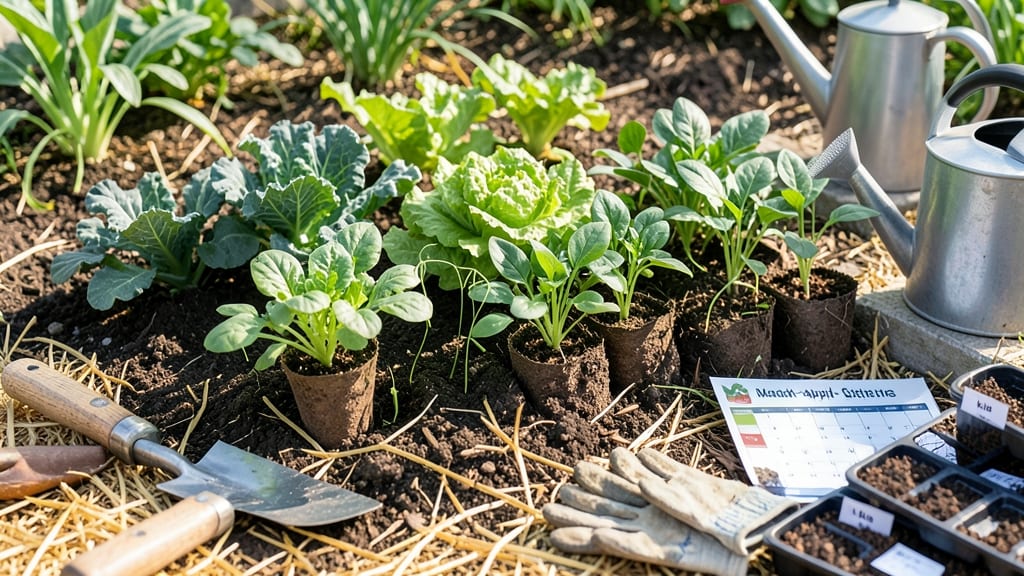
To plant a vegetable garden in Seattle, aim for early spring or late summer when frost risks fade and soil warms up—typically mid-March to early April for cool-season crops like kale and late May to early June for heat-loving tomatoes.
Seattle’s unpredictable weather can turn a gardener’s best intentions into a frost-damaged disaster—or a thriving harvest—depending on when you plant. Timing your vegetable garden correctly means avoiding late frosts, maximizing growing seasons, and leveraging Seattle’s unique microclimates for year-round success.
With USDA Zone 8a-9a and rain-soaked springs, the key is reading your local frost dates and adjusting for microclimates—like the Puget Sound’s milder coastal zones or the Eastside’s drier heat islands. A 2-week window can mean the difference between a bountiful harvest and a sad, wilted plant.
Below, I’ll break down the exact planting months for Seattle’s top vegetables, how to use cold frames to extend seasons, and where to find real-time frost alerts from WSU Extension so you never miss a beat.
Seattle’s frost dates and last-first frost timelines by Zone
Seattle’s USDA Zones 8a and 8b create a unique gardening puzzle—mild winters with late spring frosts and unpredictable fall freezes. The Puget Sound typically experiences last frost dates between April 15–May 1, while the Eastside (like Kenmore or Snoqualmie) can be 1–2 weeks earlier due to rain shadows.
These variations mean your tomato seedlings might thrive in South Seattle but shiver in North Seattle if planted too early.
Understanding these frost timelines is critical for cool-season crops like kale and peas, which can handle light frosts, versus warm-season crops like eggplants and cucumbers, which need consistent warmth.
A single late-May frost can wipe out unprotected plants, but with the right timing, you can stretch your growing season from early March to late October.
Here’s how to decode Seattle’s frost patterns and calculate your safe planting windows:
To pinpoint your exact frost dates, rely on local resources like the WSU AgWeather Network or the Old Farmer’s Almanac. These tools provide real-time updates on frost predictions, which can shift yearly due to Pacific Northwest weather patterns.
For example, the 2023 late-May frost caught many gardeners off guard—always check 7–10 days before planting warm-season crops.
For cool-season crops, start seeds indoors 6–8 weeks before your last frost date. Lettuce and spinach can handle light frosts, so you can plant them as early as late February in Zone 8b. Use row covers or cold frames to extend the season into November for hardy greens like kale or Swiss chard.
Warm-season crops like tomatoes and peppers need soil temperatures above 60°F. In Seattle, this typically happens mid-May, but Eastside gardeners can plant 2 weeks earlier. Test soil temperature with a soil thermometer—if it’s below 55°F, your seedlings will struggle.
For extra insurance, use black plastic mulch to warm the soil faster.
Succession planting is your secret weapon in Seattle. After harvesting early spring crops, replant with warm-season varieties like bush beans or zucchini once the danger of frost has passed.
Similarly, plant fall broccoli in late July to harvest before the first frost. This overlapping strategy maximizes your garden’s productivity and minimizes wasted space.
Pro tip:
Microclimate planting hacks: how Seattle’s rain shadows and urban heat islands affect your garden
Seattle’s microclimates can turn your garden into a high-stakes game of timing. The South End often enjoys 2-3 weeks earlier last frost dates than North Seattle, while urban heat islands in downtown can push warm-season crops like tomatoes and peppers into production sooner.
These variations mean your neighbor’s perfectly timed planting schedule might fail in your yard—and vice versa.
Understanding these patterns lets you adjust planting windows to match your specific location. For example, South Seattle’s rain shadow effect creates drier conditions, ideal for warm-season vegetables that hate soggy soil.
Meanwhile, North Seattle’s cooler, wetter microclimate demands hardier varieties or protective measures like row covers. The key is knowing how to leverage these differences for year-round harvests.
🌱 Seattle Microclimate Planting Hacks
- 1. Plant warm-season crops 2-3 weeks earlier in South Seattle (e.g., tomatoes by late April vs. mid-May in North Seattle). Use WSU AgWeather to track local frost risks.
- 2. Extend fall harvests in sheltered areas (e.g., kale and carrots thrive in South-facing microclimates until November).
- 3. Use cold frames for early starts in frost-prone zones (e.g., North Seattlespinach and lettuce by 4-6 weeks.
- 4. Avoid planting heat-lovers in urban heat islands (e.g., cucumbers bolt faster in downtown—opt for shade cloth if needed).
- 5. Succession plant cool-season crops in late summer (e.g., radishes in August) for fall/winter harvests in protected microclimates.
📍 Pro Tip: Test your microclimate with a weather station or observe neighbor gardens!
One of my favorite tricks is planting tomatoes in raised beds near South-facing walls—this creates a mini heat island that extends the growing season by 3-4 weeks. I’ve even seen peppers ripen 2 weeks earlier in these spots compared to open ground.
For North Seattle gardeners, cold frames are a game-changer: they let you start cool-season crops like broccoli in March instead of waiting for April.
Don’t overlook rain shadows either—areas like Ballard or West Seattle get less rain than Eastside, making them ideal for drought-tolerant crops like zucchini or beans.
I once grew 20% more zucchini in a dry microclimate because the soil stayed warmer and drier, preventing fungal issues. Just monitor soil moisture closely!
For fall gardens, focus on sheltered spots like backyard nooks or greenhouse edges. These areas trap heat and delay first frost, letting you harvest carrots and beets until December in some cases.
I’ve used black plastic mulch to warm soil for late-season tomatoes—it’s a simple hack that adds 2-3 extra weeks of production.
Remember: Seattle’s microclimates aren’t just about frost dates—they’re about soil temperature, sun exposure, and wind protection. By mapping your yard and testing small batches of plants, you’ll unlock year-round growing potential that standard planting guides miss.
Start with one microclimate hack this season, and watch your harvests thrive! 🌿