
Planting
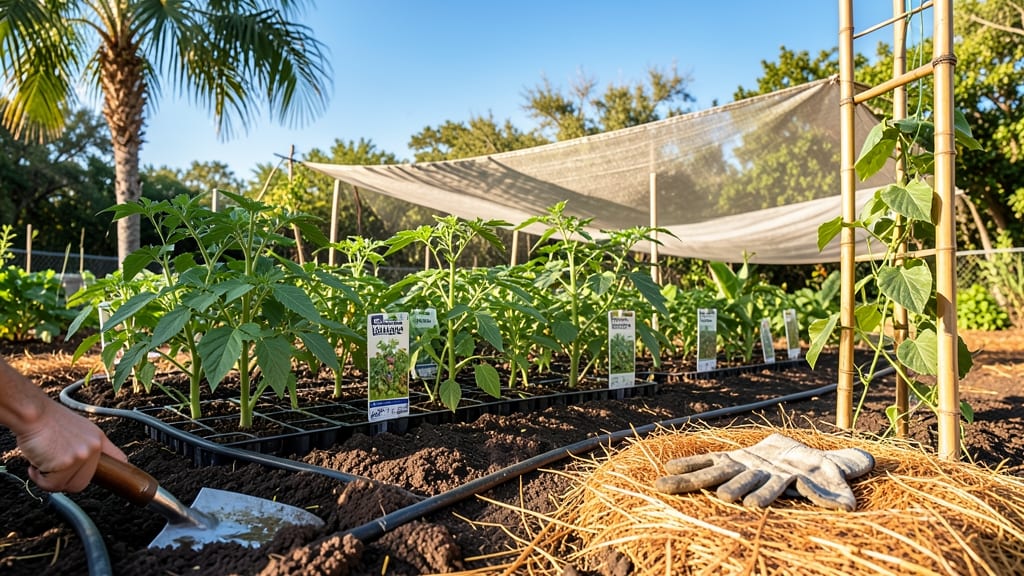
Planting your vegetable garden in Florida at the right time means avoiding the wilting heat of summer or the stunted growth of poorly timed cool-season crops.
Florida’s warm climate lets you grow fresh vegetables year-round—but planting at the wrong time can mean wilted dreams instead of a thriving garden. Whether you're a new gardener or a seasoned green thumb, timing is everything.
From heat-loving tomatoes and peppers to crisp cool-season greens, each crop has its own ideal window. Miss the mark, and you’ll battle pests, poor yields, or even total crop failure.
Below, I’ll break down the exact months to plant your favorite vegetables, tailored to Florida’s unique zones and seasons, so you can enjoy a bountiful harvest all year.
Florida planting calendar: best months for vegetables by season
Florida’s frost-free growing season is one of the biggest perks for gardeners, but timing still matters. Unlike northern climates, we don’t have to wait for spring—we can grow vegetables year-round. However, Florida’s distinct seasons (cool, warm, and transition periods) dictate the best planting windows for each crop.
Heat-loving crops like tomatoes and peppers thrive in summer, while leafy greens and broccoli prefer cooler months. Understanding these patterns ensures your garden stays productive without wasted effort.
North Florida (Zones 8a-8b) has slightly cooler winters, while South Florida (Zones 9a-11) rarely dips below 40°F. This means you can push the envelope with warm-season crops in the north during summer and cool-season crops in the south during winter.
The key is avoiding heat stress in summer and bolting in spring for greens. Let’s break down the best months for each type of vegetable.
🌱 Cool Season (October–March): This is prime time for leafy greens, root vegetables, and brassicas. Temperatures are mild, and the risk of pests like aphids is lower. Start seeds indoors in late summer (August–September) for a head start, then transplant outdoors in October. By February, you can direct-sow cool-loving crops for a spring harvest before summer heat sets in.
🌡️ Warm Season (May–August): This is the peak growing period for heat-loving crops like tomatoes, peppers, and eggplant. Start seeds indoors in March–April for transplants ready by May. Direct-sow okra and sweet potatoes after the last frost (which, in Florida, is basically year-round). The challenge here is water management—Florida’s summer heat can dry out soil quickly. Use drip irrigation and mulch to keep roots cool and moist.
If you’re in North Florida, you might experience brief heatwaves where temperatures exceed 95°F. During these periods, shade cloth (30–50%) can protect delicate crops like cucumbers and squash.
In South Florida, the heat is more consistent, so focus on heat-tolerant varieties of tomatoes (like Solar Fire) and peppers (like Carolina Wonder).
🌿 Transition Months (April & September): These are the trickiest months for Florida gardeners. In April, cool-season crops start to bolt as temperatures rise, while warm-season crops haven’t yet established themselves. The same happens in September, when warm-season crops struggle as temperatures drop. Use these months to plant fast-growing crops like b
Top 10 Florida-friendly vegetables and their exact planting times
Florida’s year-round growing season means you can enjoy fresh vegetables almost anytime—but timing matters! Heat-loving crops like tomatoes and peppers thrive in summer, while cool-season greens prefer fall and winter.
Avoid mid-summer planting for lettuce, which bolts in the heat, and prioritize well-draining soil to prevent fungal diseases from Florida’s humidity.
Southern Florida’s USDA Zones 10-11 allow for longer growing windows than North Florida’s Zones 8-9. Adjust planting dates by 2-4 weeks northward to account for slightly cooler temperatures. Always test your soil’s pH (6.0-7.0 ideal) and amend with compost before planting to ensure nutrient-rich beds.
Start seeds indoors 6-8 weeks before last frost (none in FL) or transplant 6-8 week old seedlings. Use cage supports and mulch to retain moisture.
Transplant 4-6 week old seedlings after soil warms to 70°F+. Avoid overhead watering to prevent blossom-end rot.
Direct-sow seeds 1/4 inch deep, 12 inches apart. Use shade cloth (30-50%) in summer to prevent bolting.
Direct-sow seeds 1/2 inch deep, 12-18 inches apart. Thrives in hot, dry conditions—ideal for Florida summers!
Sow seeds 1 inch deep, 4-6 inches apart. Use trellises for pole beans to save space and improve air circulation.
Florida’s humidity and pests (like aphids and squash bugs) can derail even the best-laid plans. Rotate crops yearly to prevent soil-borne diseases, and use row covers for young seedlings to deter pests. For example, cucumbers (plant May-June) need trellises to avoid fungal issues from wet foliage.
Don’t forget herbs like basil and cilantro, which thrive in Florida’s climate. Basil loves summer heat (plant March-May), while cilantro prefers cool weather (Sept-Nov). Mulch heavily around herb beds to lock in moisture and suppress weeds—critical in Florida’s rainy season.
With these exact planting windows and Florida-specific tips, you’ll enjoy a bountiful harvest year-round. Start with 2-3 crops per season, then expand as you gain confidence—your garden will thank you! 🌱