
Planting
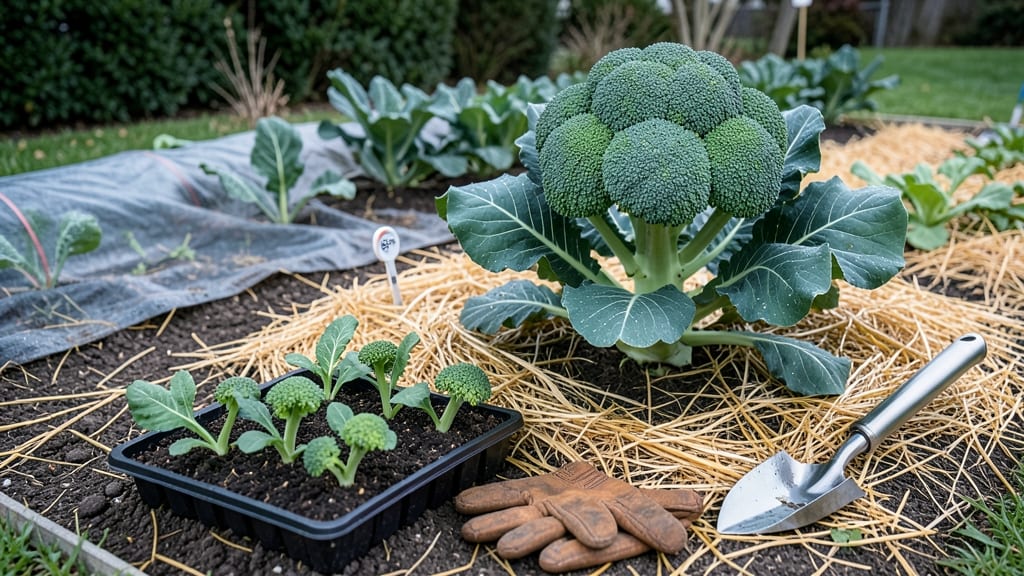
Planting a winter garden in Florida requires knowing the right time to start — too early and frost can wipe out your crops, while waiting too long risks summer heat stressing your plants before they bear fruit.
Florida’s mild winters create a unique opportunity to grow a thriving winter garden, but timing is everything. Plant too early, and frost will ruin your crops; too late, and summer heat will stress your plants before they bear fruit.
If you’ve ever watched your seedlings struggle in unpredictable Florida weather, you know how critical the right planting window can be. The key is understanding your region’s frost dates and heat zones to maximize yield.
In this guide, I’ll break down the best months to plant heat-tolerant winter crops, how to extend your growing season, and which varieties thrive in Florida’s climate. You’ll learn how to avoid frost damage while keeping your garden productive.
Best planting timeline for Florida winter gardens: frost dates and heat zones
Florida’s winter gardening success hinges on understanding your USDA Hardiness Zone and frost-free windows. Unlike northern states, Florida’s zones 8b-10a offer extended growing seasons, but late frosts can still damage tender crops. The key is planting cool-season vegetables after the first frost risk but before summer heat arrives.
Northern Florida (zones 8a-8b) faces harder frosts than Central (9a) or South (10a), with average first frost dates between mid-November and mid-December. Southern Florida rarely sees frost, but heat stress becomes the bigger threat. Always check your local National Weather Service for precise frost dates each year.
Here’s how to use USDA Zone maps to time your winter garden:
| Region | USDA Zone | First Frost (Avg.) | Last Frost (Avg.) | Best Planting Window |
|---|---|---|---|---|
| Northern Florida | 8a-8b | Mid-November | Mid-March | September-October (for fall crops) or February-March (spring) |
| Central Florida | 9a | Late December | Late February | October-November or January-February |
| South Florida | 10a | Rare (occasional light frost) | None (year-round growing) | September-October or February-March (avoid peak summer heat) |
For Northern Florida gardeners, focus on September-October plantings to establish roots before cool nights arrive. In Central Florida, October-November is ideal for leafy greens and broccoli, while South Florida can plant almost year-round but should avoid July-August heat for sensitive crops.
Use row covers or cold frames to extend seasons in Zone 8b, where light frosts can still occur. These tools add 2-4°F protection, letting you plant 2-3 weeks earlier or later than the average frost dates.
Always prioritize cool-season crops like kale, spinach, and carrots for winter. These thrive in 50-65°F soil and tolerate light frosts. Avoid heat-loving crops like tomatoes or peppers until after March 15 in most regions.
Monitor soil temperatures with a soil thermometer—ideal planting temps for winter crops are 50-60°F. If soil is below 50°F, wait 1-2 weeks or use black plastic mulch to warm the soil faster.
Pro tip: Succession plant every 2-3 weeks in winter to ensure a continuous harvest. For example, sow lettuce in October, November, and January for three harvest waves before summer heat sets in.
Remember, Florida’s microclimates vary even within regions. If you’re near coastal areas or higher elevations, expect cooler temps and adjust planting dates accordingly. Always observe your garden’s unique conditions!
By aligning your planting timeline with frost dates and USDA zones, you’ll maximize your Florida winter garden’s potential—without the risk of frost damage or heat stress. Happy growing! 🌱
Top 10 heat-tolerant winter vegetables that thrive in Florida’s unpredictable climate
Florida’s winter gardens offer a unique opportunity to grow fresh produce when summer heat fades—but not all plants handle our unpredictable climate equally. The key is choosing heat-tolerant winter vegetables that survive light frosts while resisting early spring warmth.
These varieties let you harvest well into March before summer takes over.
Unlike traditional cool-season crops that bolt in 70°F+ temperatures, these plants stay productive longer. For example, Malabar spinach thrives in 80°F heat while still tolerating brief cold snaps. Similarly, collard greens and bush beans balance cold hardiness with heat resistance, making them Florida winter garden staples.
Here’s how to maximize success: Plant 6-8 weeks before your first frost (typically mid-October for North Florida, November for Central/South). Use mulch to insulate roots, and choose dwarf varieties for container growing if space is limited.
When to Plant Florida Winter Gardens
✅ Pros
- Longer harvests into early spring
- Fewer pests in winter months
- Soil nutrients preserved for spring
- Heat-tolerant varieties resist bolting
❌ Cons
- Frost risk in North Florida
- Limited seed selection for heat tolerance
- Requires planning for succession planting
- Container gardening needed for small spaces
💡 Tip: Use row covers for 30-35°F protection if late frosts threaten.
Start with collard greens—they handle 25°F temperatures and taste sweeter after frost. For beans, opt for bush varieties like 'Contender' or 'Blue Lake,' which mature in 50-60 days and tolerate 85°F heat better than pole beans.
Malabar spinach (Basella alba) is a Florida favorite because it grows fast (30-40 days) and thrives in partial shade, making it perfect for understory planting. Pair it with turnips or kale for a nutrient-dense winter salad mix.
For soil preparation, amend beds with compost to improve drainage—Florida’s clay soils can become waterlogged during winter rains. Space plants 12-18 inches apart to allow airflow, reducing fungal risks like downy mildew.
Extend harvests by succession planting every 2-3 weeks until mid-February. Use drip irrigation to maintain consistent moisture without overwatering, and harvest outer leaves first to encourage regrowth in leafy greens.