
Planting
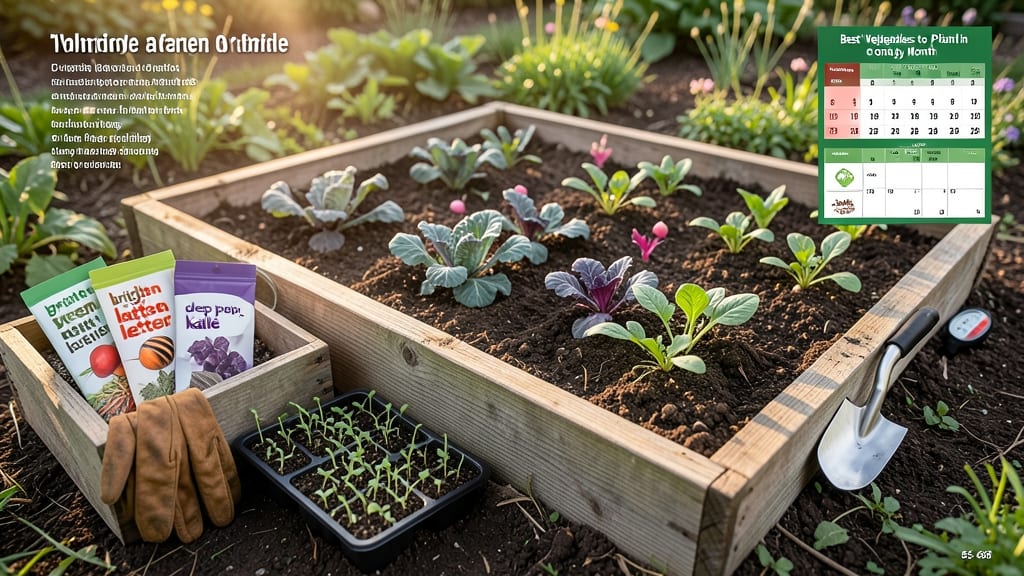
Planting a vegetable garden in Ontario at the right time means the difference between a bountiful harvest and a sad, frost-nipped failure.
Ontario gardeners know timing is everything—plant too early and risk frost damage, too late and miss peak harvests. But with the province’s diverse climate zones, figuring out the exact planting window can feel overwhelming.
From the cool, short seasons of Zone 1 to the milder stretches of Zone 7, each area has its own frost-free dates and ideal planting windows. Whether you’re growing heat-loving tomatoes or cold-hardy kale, getting it right means fewer empty rows and more homegrown meals.
Here’s how to pinpoint the best time to plant in your corner of Ontario, plus strategies to stretch your growing season and avoid common mistakes that waste your hard work.
Ontario’s frost-free dates by climate Zone: the exact planting windows you need
Ontario’s climate varies dramatically from the Great Lakes shorelines to the northern boreal forests, making frost dates critical for your vegetable garden’s success.
The province is divided into 7 distinct climate zones, each with unique last frost dates and first frost timelines that dictate when to sow seeds or transplant seedlings. Understanding these windows ensures you avoid frost damage while maximizing your harvest potential.
For example, gardeners in Zone 1 (northern Ontario) face a shorter growing season with last frosts often lingering until mid-June, while those in Zone 7 (southern Ontario) can start planting as early as mid-April.
Warm-season crops like tomatoes and peppers need consistent warmth, while cool-season crops like lettuce and peas thrive in cooler temperatures. Let’s break down the exact planting windows for each zone.
Use the table below as your zone-specific guide to determine when to plant cool-season and warm-season vegetables. Enter your location in the Ontario Climate Zone Finder (linked at the end) to confirm your exact zone and adjust planting dates based on microclimates like urban heat islands or protected garden spots.
In Zone 1, where last frosts can occur as late as mid-June, focus on fast-maturing varieties like bush beans and radishes for warm-season crops. Meanwhile, Zone 7 gardeners can start cool-season crops like spinach and kale as early as February under row covers or in a greenhouse.
Always adjust for microclimates—urban areas may warm up faster than rural spots.
For warm-season vegetables, such as tomatoes, peppers, and cucumbers, wait until the
Best vegetables to plant in Ontario by month: a month-by-month survival guide
Ontario’s short growing season demands precision—miss the window, and your tomatoes might never ripen or your spinach bolt before harvest. The key is aligning your planting with the month’s ideal conditions, from cool-season crops in spring to heat-lovers in summer.
I’ve broken it down month-by-month so you can maximize your garden’s potential without guessing.
Start with March and April, when the ground is workable but still chilly. These months are perfect for cold-hardy greens and root vegetables that tolerate frost. By June and July, the real action begins—warm-season crops like beans and peppers thrive in Ontario’s longer daylight.
Even August and September offer opportunities for late-season planting, especially with succession crops.
🌱 Your Month-by-Month Planting Checklist
- March: Peas, spinach, kale (direct sow under row covers).
- April: Lettuce, radishes, carrots (start indoors: tomatoes, peppers).
- May: Broccoli, cabbage, beets (transplant tomatoes after last frost).
- June: Beans, cucumbers, squash (direct sow corn and melons).
- July: Succession plant lettuce, radishes, bush beans (harvest early crops).
- August: Kale, spinach, turnips (plant for fall harvest).
- September: Garlic, onions, hardy greens (cover with straw mulch).
Pro Tip: Use row covers to extend seasons by 2-3 weeks in both spring and fall. 🌱
Don’t overlook succession planting—it’s how Ontario gardeners squeeze extra harvests from limited space. For example, sow radishes every 2 weeks in May and June to ensure a continuous supply. Similarly, bush beans and lettuce can be replanted in July for a late-summer harvest before frost hits.
If you’re in Northern Ontario (Zones 1-3), prioritize fast-maturing varieties like ‘Early Wonder’ peas or ‘Early Girl’ tomatoes. Southern Ontario gardeners (Zones 6-7) have more flexibility but should still avoid planting heat-sensitive crops like cucumbers until after May 15 to prevent blossom-end rot.
For late-season planting, focus on cold-hardy crops like kale, spinach, and garlic. These thrive in Ontario’s cooler fall temperatures and often taste sweeter after a light frost. Just be sure to mulch heavily to protect roots from early freezes.
Remember: Ontario’s last frost date varies by zone—check your local Canada Post postal code for precise timing. With this schedule, you’ll turn your garden into a year-round harvest machine, even in Canada’s unpredictable climate. 🌿