
Tools
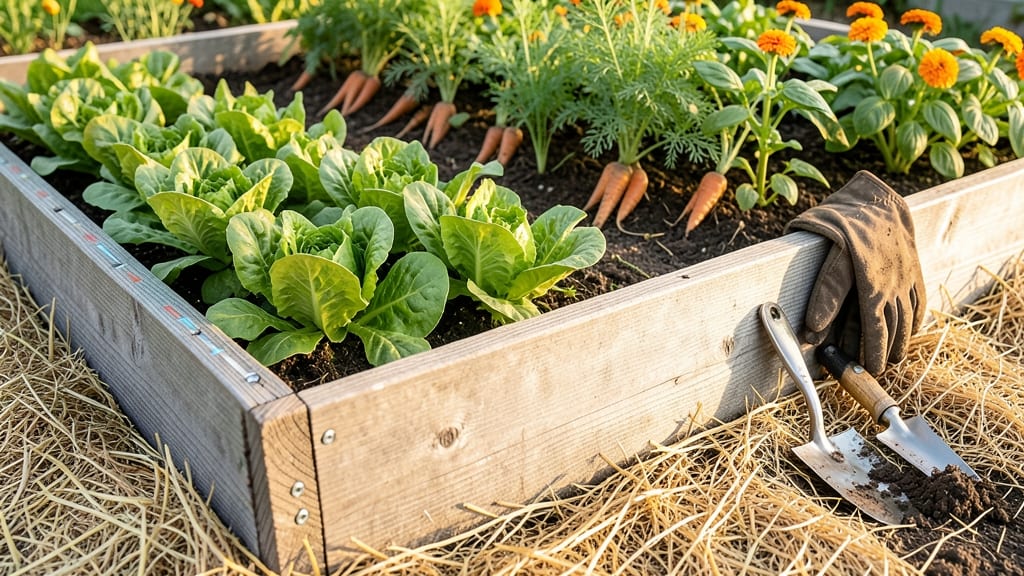
The ideal raised garden height is 6 to 12 inches, supporting both root development and ease of gardening, with deeper beds (12+ inches) best for root crops like carrots and shallower beds (6 inches) perfect for herbs and leafy greens. Most wooden frames sit at 8 to 10 inches for practical balance.
Getting the right raised garden height isn't just about aesthetics—it directly impacts how well your plants grow. 🌱 Deeper beds (12+ inches) give root vegetables like carrots and potatoes the space they need to develop fully, while shallower beds (6 inches) work perfectly for herbs and greens that don't require deep soil.
The standard 8-10 inch height also makes gardening more comfortable, especially for those with back issues or limited mobility.
Beyond plant needs, bed height affects soil quality over time. Deeper beds retain moisture better and allow for better drainage, which is crucial for preventing root rot. However, they also require more soil amendments to maintain fertility.
If you're building a new bed, consider your specific plants and how much maintenance you're willing to put in—sometimes a slightly taller bed can make all the difference in your harvest.
💡 In This Article
- Root Depth Requirements for Different Plants in Raised Beds
- Building and Maintaining the Perfect Raised Garden Height
Root depth requirements for different plants in raised beds
Plant roots aren't one-size-fits-all—they come in various shapes and sizes, each with specific depth requirements. 🌱 Root vegetables like carrots, beets, and potatoes need 12+ inches of soil to develop properly, as their edible roots grow downward.
In contrast, shallow-rooted plants such as lettuce, spinach, and herbs (like basil or thyme) thrive in just 6 inches of soil. This is because their nutrient needs are concentrated near the surface, where microbial activity is highest.
The deeper the bed, the more space roots have to spread and access water and nutrients, but too much depth can lead to wasted soil and maintenance.
Drainage efficiency also shifts with height. A 6-inch bed drains quickly, which works well for moisture-sensitive plants like strawberries, but may dry out faster in hot climates.
On the other hand, a 12-inch bed retains moisture longer, reducing the need for frequent watering but requiring well-amended soil to prevent compaction at the bottom. The 8-10 inch standard strikes a balance—deep enough for most vegetables while still being manageable for watering and weeding.
This height also aligns with the natural rooting depth of many common crops, like tomatoes and peppers, which typically develop roots 18-24 inches deep but don't need that much in a raised bed.
Soil structure plays a critical role in how plants access nutrients at different depths. In a 6-inch bed, the topsoil layer is rich in organic matter, perfect for leafy greens that absorb nutrients quickly.
However, deeper beds allow for stratification—layering soil with different textures and nutrient profiles. For example, the bottom 4 inches of a 12-inch bed might contain coarse sand for drainage, while the top 8 inches are packed with compost-rich soil.
This mimics natural soil profiles and ensures roots encounter the right conditions at every stage of growth. Without proper layering, deeper beds can become compacted and anaerobic, suffocating roots.
Consider the root-to-shoot ratio—the balance between a plant's underground and above-ground growth. Plants like corn or sunflowers have deep taproots but also tall stems, so they benefit from deeper beds. Meanwhile, bush beans or radishes have shallow roots and compact growth habits, making them ideal for 6-inch beds.
The key is matching the bed height to the plant's natural growth pattern. For example, a 10-inch bed is perfect for tomatoes, whose roots spread 18-24 inches wide but only need 12-18 inches deep to support their height. This prevents overcrowding and ensures the plant can anchor itself securely.
Seasonal factors also influence how bed height affects plant performance. In cooler climates, deeper beds warm up more slowly in spring, which can delay planting. Conversely, in hot, dry regions, deeper beds retain moisture longer, reducing the need for irrigation.
For instance, a 12-inch bed in Arizona might stay moist for weeks after a single watering, while the same bed in Washington State could dry out quickly in summer. Adjusting bed height based on your climate ensures your plants get the right conditions year-round. 💫
If you're growing a mix of plants, consider creating multi-tiered beds or sections with varying depths. For example, dedicate one side of a 12-inch bed to carrots and another to lettuce by using removable dividers.
This way, you optimize space without sacrificing growth potential. The flexibility of raised beds makes it easy to customize heights for different crops, ensuring every plant gets the ideal root environment.
Finally, don't overlook the role of mycorrhizal fungi—beneficial microbes that form symbiotic relationships with plant roots. These fungi thrive in the top 6-12 inches of soil, where they help plants absorb phosphorus and other nutrients.
In deeper beds, these fungi may struggle to colonize the lower layers, reducing nutrient uptake. Adding compost or mycorrhizal inoculants to the bottom layers can help bridge this gap, ensuring even the deepest roots benefit from this natural partnership.