
Light Requirements
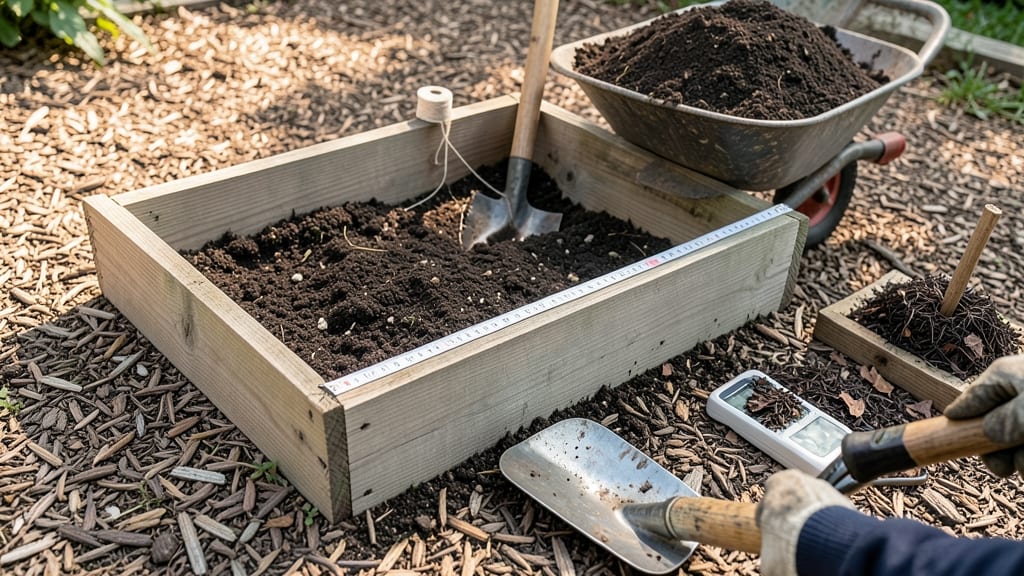
To fill a raised garden bed with the right amount of soil, you’ll need 6 to 12 inches of high-quality mix—depending on what you’re growing and how deep those roots run.
Picture this: you’ve spent hours building your perfect raised bed, only to realize halfway through filling it that you’ve either bought way too much soil or—worse—left room for poor drainage. The right depth isn’t just about volume; it’s about setting your plants up for success from day one.
Most vegetables like tomatoes or carrots need at least 12 inches of soil to thrive, while herbs and shallow-rooted flowers can get by with just 6 inches. But here’s the catch: soil settles over time, so you’ll want to account for that too.
In this guide, I’ll break down exactly how much soil you need based on your bed’s size, the plants you’re growing, and even how to avoid common mistakes—like overfilling or skipping the drainage layer—that can turn your dream garden into a soggy mess.
Raised garden bed soil depth requirements by plant type
Getting the soil depth right in your raised garden bed is the foundation of a thriving garden. Different plants need different amounts of space to grow strong roots and produce abundant harvests.
For example, carrots and potatoes demand deep soil to develop fully, while herbs like basil thrive in shallower beds. Understanding these needs ensures you avoid wasted soil or stunted plants.
Most raised garden beds should have a minimum of 6 inches of soil for shallow-rooted plants like lettuce or strawberries. However, if you're growing deep-rooted vegetables such as sweet potatoes or asparagus, aim for 12 to 18 inches of soil depth.
This extra space allows roots to spread and access nutrients efficiently, leading to healthier plants and better yields.
Here’s a quick rule of thumb: Measure your bed’s dimensions first, then calculate the volume of soil needed. Multiply the length by the width by the desired depth (in feet) to get cubic feet.
For example, a 4x8-foot bed filled to 12 inches deep requires 32 cubic feet of soil. Always account for settling, which can reduce depth by up to 25% after watering.
Now, let’s break down the ideal soil depth for different plant categories to help you plan your raised bed like a pro.
For root vegetables, prioritize depth to prevent issues like forked carrots or small potatoes. A 12-inch minimum is ideal, but 18 inches ensures maximum yield. For instance, if you’re growing sweet potatoes, deeper soil encourages larger tubers and better storage quality.
Always mix in compost or aged manure to enrich the soil and support root growth.
When planting herbs like basil or cilantro, a 6-inch depth works well, but adding 2-4 inches extra improves root spread and drought resistance. These plants benefit from well-draining soil mixed with sand or perlite to prevent waterlogging.
Herbs are also great for interplanting in shallower beds alongside flowers or greens.
If you’re growing flowers like sunflowers or dahlias, aim for 10-12 inches of soil. These plants need stability to support their height and weight. For example, a 6-foot sunflower requires deep roots to anchor itself and access water during dry spells.
Mix in bone meal or phosphorus-rich fertilizer to promote blooming and strong stems.
For shrubs and perennials, like blueberries or asparagus, deeper soil is a must. These plants form extensive root systems that need 18-24 inches of depth to thrive. Blueberries, in particular, require acidic soil (pH 4.5-5.5) and benefit from a mulch layer to retain moisture.
Plan ahead by amending the soil with peat moss or pine bark before planting.
One common mistake is overestimating soil volume without accounting for settling. Loose soil compacts over time, reducing depth by up to 25%. To avoid this, water your soil before adding plants, then top up as needed.
Another tip: Use a soil depth gauge or a simple ruler to check depth after filling your bed.
Pro tip: Layer your soil with a 2-inch drainage layer of gravel or coarse sand at the bottom. This prevents waterlogging and improves root aeration. Then, mix in
How to calculate soil volume for your raised bed
Before filling your raised garden bed, you need to calculate the exact soil volume required to avoid waste or shortages. This ensures your plants get the optimal root depth while keeping costs manageable.
Start by measuring your bed’s length, width, and height, then adjust for the frame’s thickness—this hidden detail makes a big difference in your final numbers.
For example, a 4’x8’ bed with 12” of soil depth sounds straightforward, but if your frame adds 2” of thickness to each side, your usable soil space shrinks.
Always measure the interior dimensions where soil will actually sit. Skipping this step can lead to overbuying soil or leaving your plants with insufficient growing room.
Once you’ve measured your bed’s interior, multiply length x width x depth to get the loose soil volume in cubic feet. Remember, soil settles over time—peat-based mixes can shrink by 25-30%, while compost-heavy blends settle 15-20%.
To avoid running short, always round up your calculations by 10-15% for a buffer.
For bulk purchases, think in cubic yards. One cubic yard equals 27 cubic feet, so a 4’x8’x12” bed (2.67 cubic feet) will need about 0.1 cubic yards of loose soil.
Ordering in bulk saves money, but split deliveries if your bed won’t be filled immediately to prevent compaction or spoilage from moisture.
Pro tip: Layer your soil with a 2” drainage layer of gravel or coarse sand at the bottom to improve water flow. This small step prevents root rot and ensures your soil structure stays aerated. Always test your soil’s drainage rate by pouring water—it should drain within 30-60 minutes.
Finally, account for plant-specific needs. Deep-rooted veggies like carrots or potatoes need 12-18” of soil, while shallow-rooted herbs like basil or thyme thrive in 6-8”. Adjust your depth based on what you’re growing to maximize your bed’s potential without overfilling.