
Fertilization
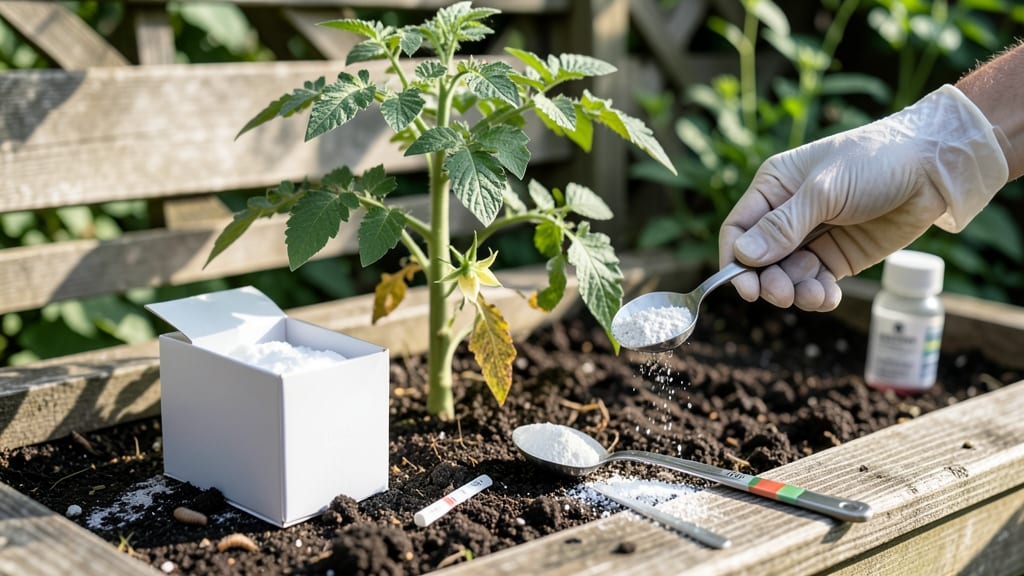
Using baking soda in garden soil increases alkalinity, which can help acid-loving plants like azaleas or blueberries thrive—but only in small amounts. Too much disrupts soil health and harms beneficial microbes.
Baking soda, or sodium bicarbonate, works by neutralizing acidic soil through a chemical reaction that raises pH levels. 🌱 This shift makes calcium and magnesium more available to plants, but it also affects microbial populations that thrive in slightly acidic conditions.
For example, clay soils retain moisture and nutrients better, so they respond differently to pH adjustments than sandy soils, which drain quickly. Always test your soil first—most garden centers offer affordable DIY kits.
When used correctly, baking soda can transform your garden's chemistry without causing harm. Just remember: a little goes a long way. Start with 1 teaspoon per gallon of water and apply sparingly, especially if you're growing sensitive plants like tomatoes or peppers.
Overuse leads to visible problems like yellowing leaves or stunted growth—signs your soil's balance has tipped too far.
💡 In This Article
- How Baking Soda Alters Soil pH and Plant Nutrition
- Safe Ways to Use Baking Soda in Garden Soil
How baking soda alters soil pH and plant nutrition
When you sprinkle baking soda (sodium bicarbonate) into garden soil, it triggers a chemical reaction that neutralizes acidity by donating hydroxide ions (OH⁻) to the soil solution. This raises the pH level, shifting it from acidic (below 7.0) toward neutral or slightly alkaline (7.0-8.0).
For example, a soil with a pH of 5.5—common in many garden beds—might jump to 6.5 after treatment, making nutrients like calcium and magnesium more available to plants. However, this process also reduces aluminum and manganese toxicity, which often plague acidic soils.
The impact varies dramatically based on soil type. In clay soils, baking soda’s effects are slower but longer-lasting because the tiny particles hold moisture and nutrients tightly, allowing the pH adjustment to persist.
Sandy soils, on the other hand, drain quickly, so the alkalinity boost dissipates faster—often within weeks unless reapplied. 🌱 For plants like blueberries (ideal pH: 4.5-5.5), even a slight pH increase can stress them, while azaleas (pH: 5.0-6.0) may show signs of improvement.
The key is precision: a 1 teaspoon per gallon of water solution applied to the root zone can make a measurable difference without overcorrecting.
Baking soda’s pH adjustment doesn’t work in isolation—it also affects microbial activity. Beneficial bacteria and fungi, which thrive in slightly acidic conditions (pH 6.0-7.0), may decline if the soil becomes too alkaline (above 7.5). This disruption can weaken plants’ natural defenses against diseases like root rot.
For instance, tomatoes (pH: 6.0-6.8) might show stunted growth if the soil pH jumps to 8.0, as their root systems struggle to absorb essential nutrients like iron and phosphorus, which become less soluble in alkaline environments.
Another critical factor is the soil’s buffering capacity—the ability to resist pH changes. Organic matter-rich soils (like compost-amended beds) naturally resist drastic pH shifts, while depleted soils react more aggressively to baking soda. Testing before and after application is essential.
A simple DIY kit (costing ~$10) can reveal your soil’s starting pH, helping you calculate the exact amount of baking soda needed.
For example, if your soil tests at 5.0 and you want to raise it to 6.0 for hydrangeas, you might need 2-3 applications spaced 4-6 weeks apart, each time monitoring for changes in plant health.
Visual cues can help gauge success. Healthy azaleas with vibrant green leaves and hydrangeas producing deep blue flowers signal balanced pH levels. Conversely, yellowing leaves (chlorosis) or crispy leaf edges often indicate overuse.
In extreme cases, the soil may develop a white, crusty residue—sodium buildup—that repels water and harms root systems. To mitigate this, pair baking soda with organic amendments like peat moss or sulfur to stabilize the pH over time. 💫
Understanding these mechanics lets you use baking soda strategically. For instance, if your garden soil tests at 5.8 and you’re growing roses (pH: 6.0-6.5), a light application in early spring can prevent nutrient deficiencies.
However, if your soil is already neutral or alkaline (pH 7.0+), baking soda could do more harm than good by locking out essential micronutrients. Always pair chemical adjustments with organic matter to create a sustainable balance.