
Lawn
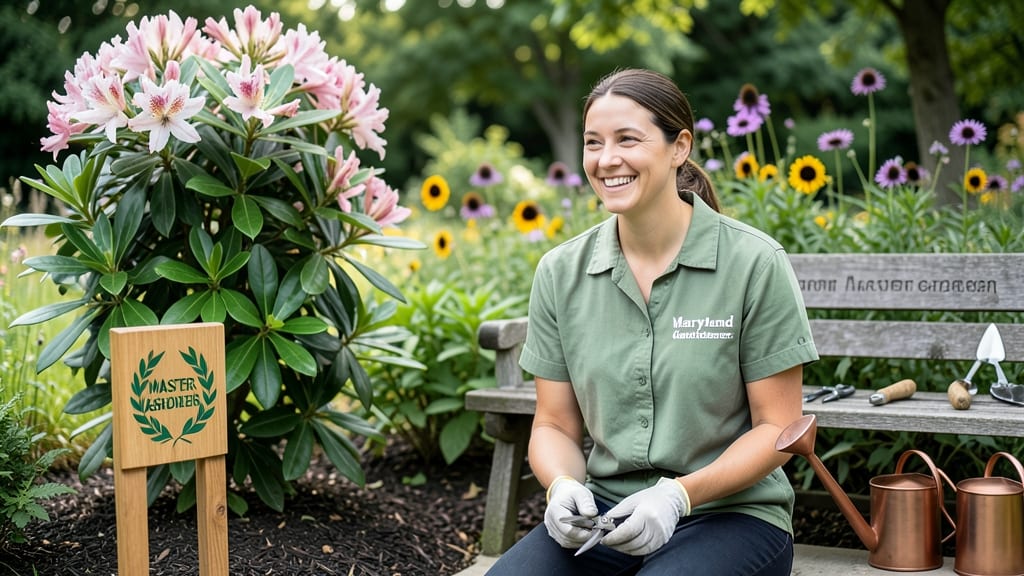
Maryland Master Gardeners provide gardening expertise and community support to local growers through University of Maryland Extension programs. Joining requires completing their training program, then volunteering in gardens, workshops, or hotlines—no prior experience is needed beyond a love for plants.
This program turns gardening enthusiasts into certified volunteers who help solve real problems for Maryland's green spaces. 🌱 The training covers everything from soil health to pest management, giving you the skills to confidently advise others.
What I love most is how it connects people—whether you're helping a neighbor with their vegetable garden or teaching kids about native plants, your work makes a tangible difference in the community.
After completing the program, you'll have access to a network of local chapters and volunteer opportunities that match your interests. Whether you prefer hands-on work in community gardens or answering calls at plant clinics, there's always a way to get involved.
The best part? You'll learn alongside fellow gardeners, creating lasting friendships while growing your own expertise.
💡 In This Article
- Maryland Master Gardener Training Requirements and Curriculum
- Where to Volunteer as a Maryland Master Gardener
Maryland Master Gardener training requirements and curriculum
The Maryland Master Gardener program requires 40 hours of intensive classroom training, covering everything from basic botany to advanced horticultural practices. The curriculum is designed by horticulture experts at the University of Maryland Extension, ensuring you learn evidence-based techniques that work in our local climate.
Topics include soil science, plant pathology, entomology, and sustainable landscaping—each taught by professors or industry professionals with decades of experience.
One of the most practical components is the 30 hours of hands-on training in real gardens and labs. You'll get to examine plant diseases under microscopes, test soil samples in extension labs, and practice pruning techniques on actual trees.
What stands out is how the program emphasizes Maryland-specific challenges, like managing invasive species such as Japanese stiltgrass or treating common diseases in home vegetable gardens. The training even includes a field trip to the University of Maryland's research farms, where you'll see cutting-edge horticultural research in action.
What makes this program unique is its focus on problem-solving. You'll learn diagnostic techniques to identify plant issues accurately—whether it's a fungal infection, nutrient deficiency, or pest infestation.
For example, the curriculum teaches you to distinguish between powdery mildew and downy mildew by examining the undersides of leaves, a skill that becomes invaluable when advising home gardeners. 🌱 The program also covers integrated pest management (IPM), teaching you how to use natural predators and cultural practices before reaching for chemical solutions.
After completing the training, you'll need to pass a final exam to earn your certification. But here's the exciting part: your learning doesn't stop there. Certified Master Gardeners must complete 12 hours of continuing education annually to maintain their status.
This ensures you stay current with the latest research and best practices in horticulture. The program also provides access to a network of regional specialists who can help you tackle complex gardening challenges you might encounter in your volunteer work.
One aspect that often surprises new participants is how the training prepares you for community education. You'll learn presentation skills and how to design educational materials that make complex horticultural concepts accessible to diverse audiences.
For instance, the program teaches you how to create simple, visually appealing fact sheets that explain plant care—something that comes in handy when you're volunteering at plant clinics or leading workshops for school groups.
Perhaps most rewarding is how the curriculum connects theory to real-world impact. You'll work on case studies that mirror actual problems gardeners bring to extension offices. For example, you might analyze a dying maple tree, considering factors like soil pH, watering practices, and potential pest issues.
This hands-on approach ensures you graduate with the confidence to tackle any gardening challenge Maryland residents might face. 🌿