
Light Requirements
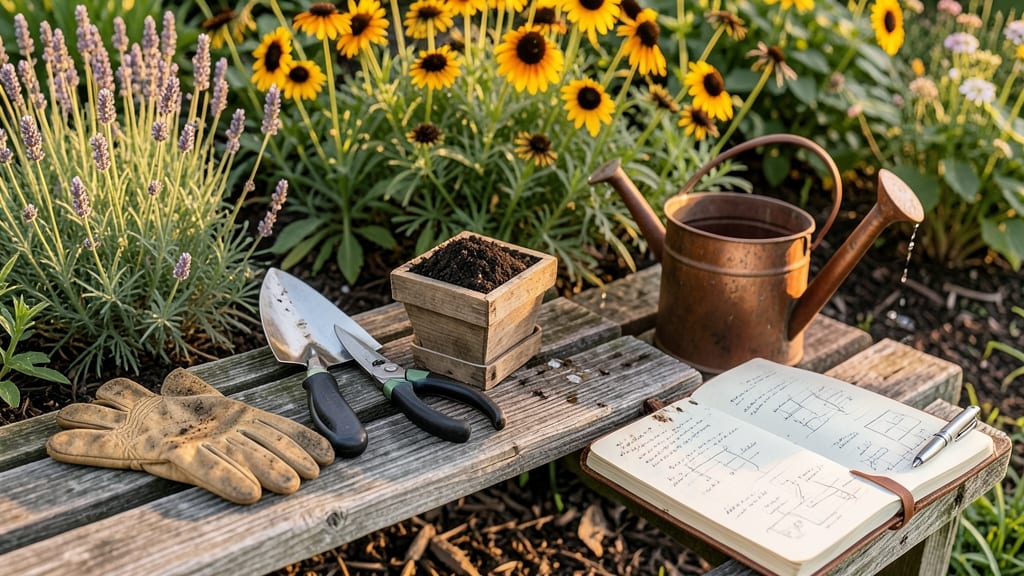
Finding master gardeners near you connects you to certified volunteers who offer free gardening expertise, soil analysis, and plant problem-solving through university-backed extension programs or local gardening clubs.
These passionate volunteers undergo rigorous training through land-grant university programs to provide science-based gardening advice tailored to your region's climate. 🌱 Whether you need help diagnosing a mysterious leaf spot or selecting the right plants for your soil type, master gardeners bring both expertise and hands-on experience to your backyard challenges.
Many programs even offer free workshops and plant clinics during growing seasons, making professional gardening knowledge accessible to everyone.
To get started, simply visit your county extension office website or call their hotline—they'll direct you to certified volunteers in your area. You can also search the National Master Gardener Network directory for verified experts who specialize in everything from vegetable gardening to landscape design.
The best part? Their services are completely free, funded by your local tax dollars through agricultural extension programs.
💡 In This Article
- How Master Gardener Programs Work Nationwide
- Best Ways to Locate Certified Master Gardeners in Your Region
How master gardener programs work nationwide
Master Gardener programs operate as volunteer-driven extensions of land-grant universities, blending academic horticultural science with practical community service.
Each program begins with 50-100 hours of intensive training covering plant pathology, entomology, soil science, and sustainable gardening practices—think of it as a crash course in advanced gardening taught by university professors and extension specialists.
What sets them apart from private consultants is their commitment to evidence-based, region-specific advice rather than commercial product promotion.
The certification process typically requires volunteers to complete this training and then contribute 40-75 hours annually of community service, such as staffing plant clinics, teaching workshops, or diagnosing plant diseases.
For example, in California's program, volunteers must complete 37.5 hours of coursework plus 50 hours of volunteer service within three years to maintain certification. This structure ensures that every master gardener stays current with the latest research while applying it directly to local gardening challenges.
What makes these programs uniquely valuable is their focus on diagnostic services—many offer free soil testing through university labs, where samples are analyzed for pH, nutrient levels, and organic matter content.
I've seen firsthand how this transforms backyard gardening: a homeowner with struggling tomatoes might bring in a leaf sample, and within days receive a precise diagnosis (perhaps fungal wilt) along with tailored treatment options.
This level of expertise is rarely available through private consultants, who often charge $75-$150/hour for similar services.
Another key difference is their emphasis on sustainable practices. Master gardeners are trained to recommend water-efficient plants, organic pest control methods, and soil conservation techniques that align with local ecological goals.
For instance, in drought-prone regions like Arizona, they'll advocate for native desert plants like paloverde trees or yucca instead of thirsty lawn grasses. This community-focused approach creates ripple effects—healthy gardens support pollinators, reduce water waste, and even increase property values.
The national network coordinates through the National Master Gardener Network, which provides standardized training materials while allowing local programs to adapt to regional climates. For example, a master gardener in Florida will focus on tropical diseases like citrus greening, while one in Minnesota tackles cold-hardy perennials and deer-resistant plants.
This localization ensures that every volunteer becomes a living resource for their specific growing conditions.
What most people don't realize is how these programs give back to the universities that train them. The volunteer hours fund research projects, support youth gardening programs, and even help universities track invasive species through citizen science initiatives.
It's a true partnership between academia and community—where your garden questions directly contribute to broader agricultural advancements.