
Watering
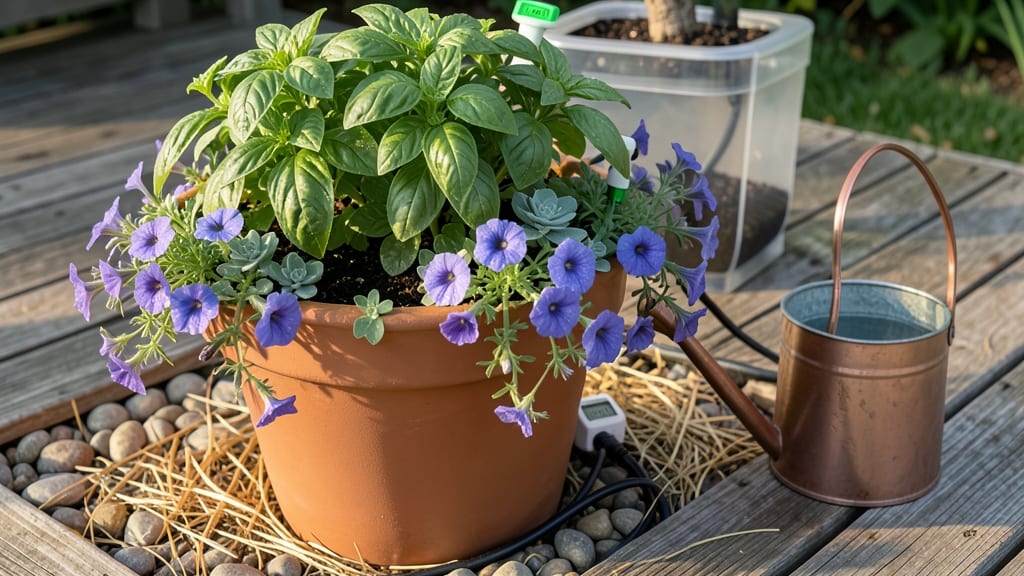
To water a garden when away, you don’t need to hire a neighbor—just the right system to keep your 🌱 General Garden Plants hydrated while you’re gone.
Picture this: you return from vacation to find your thriving garden already wilting, a sad reminder of what happens when watering gets forgotten. The good news? With a few smart solutions, you can automate care, avoid overwatering, and even cut your water bill.
Whether you’re gone for a weekend or a month, the right approach keeps your plants happy without you lifting a finger.
From simple DIY hacks like leaky pots to high-tech smart timers, there’s a method for every garden size and budget. I’ll walk you through the best options—whether you want a no-fuss setup for a small container garden or a full-scale automated system for your in-ground beds.
No more guessing or stressing over whether your plants are thirsty or drowning.
Here’s what you’ll learn: how to choose the right system for your plants, step-by-step DIY tricks to stretch watering intervals, and the tech-savvy tools that let you monitor moisture levels from your phone. Let’s keep your garden alive—even when you’re not there.
Best self-watering systems for vacation-proof gardens
When you're planning a trip, the last thing you want is to return to a garden that's suffered from neglect. The good news is that self-watering systems can keep your plants hydrated for 1-4 weeks without constant attention.
Whether you have a small container garden, a large in-ground plot, or delicate herbs, there's a solution tailored to your needs. Let me break down the top options so you can choose what works best for your setup.
Not all self-watering systems are created equal. Some are low-cost and simple, while others offer smart technology to monitor soil moisture remotely. Your choice depends on your garden size, plant types, and budget.
For example, drip irrigation is ideal for vegetable gardens, while wicking beds work wonders for container plants. Let’s explore the best options to keep your garden thriving while you're away.
| System | Best For | Coverage | Duration (Weeks) | Cost (USD) | Ease of Setup |
|---|---|---|---|---|---|
| Drip Irrigation | Vegetable Gardens, Flower Beds | Medium-Large (50-500 sq ft) | 2-4 | $50-$200 | Moderate |
| Wicking Beds | Container Plants, Herbs, Succulents | Small (1-10 sq ft) | 1-2 | $20-$80 | Easy |
| Smart Watering Devices | Large Gardens, Frequent Travelers | All Sizes (App-Controlled) | 2-4 | $150-$500 | Moderate-Hard |
| Leaky Pots (DIY) | Herbs, Succulents, Small Pots | Very Small (1-5 sq ft) | 1-2 | $5-$20 | Very Easy |
| Olla Pots | Mediterranean Plants, Perennials | Small-Medium (5-50 sq ft) | 1-3 | $10-$50 | Easy |
If you have a large vegetable garden, drip irrigation is my top recommendation. It delivers water directly to the root zone, reducing waste and ensuring even coverage.
Systems like the Rain Bird Drip Irrigation Kit can cover up to 500 square feet and run for 2-4 weeks with a single fill. For container gardens, wicking beds or self-watering pots are game-changers.
They use a reservoir system to slowly release moisture, perfect for herbs like basil or succulents that hate soggy soil.
For tech-savvy gardeners, smart watering devices like the Rachio Smart Sprinkler Controller take the guesswork out of watering. These systems connect to your Wi-Fi and adjust watering schedules based on weather forecasts.
You can even control them remotely via an app, so you’ll never have to worry about forgetting to turn them on before a trip. The upfront cost is higher, but the water efficiency and peace of mind make it worth it.
On a budget? DIY solutions like leaky pots or Olla pots are incredibly effective for small gardens. These clay or plastic pots slowly release water into the soil, keeping roots hydrated for 1-3 weeks.
They’re perfect for potted plants or small flower beds and cost just a few dollars to set up. Plus, they’re reusable,
DIY self-watering hacks for small gardens and potted plants
When you're heading out of town, your herbs and potted plants don’t have to suffer from neglect. With a few simple, budget-friendly hacks, you can extend watering intervals by up to 2 weeks without breaking the bank.
These no-tech solutions are perfect for small gardens, balcony containers, and succulent collections that need consistent moisture.
One of the easiest methods is the plastic bottle waterer. This hack repurposes empty bottles into slow-release reservoirs. It’s ideal for herbs like basil and leafy greens that dry out quickly.
For succulents and cacti, a sponge reservoir works wonders by absorbing and releasing moisture gradually. Both methods require minimal setup and cost almost nothing.
Materials you’ll need:
- Empty plastic bottles (16-32 oz)
- Scissors or box cutter
- Cork or rubber stopper
- Absorbent sponges (for reservoirs)
- Capillary mats (optional, for larger containers)
How to Set Up a Plastic Bottle Waterer
- Step 1: Remove the bottle cap and clean it thoroughly. Fill the bottle with water, leaving about 1 inch of space at the top.
- Step 2: Poke 5-10 small holes in the bottle cap using a nail or screwdriver. Space them evenly to control the water flow.
- Step 3: Screw the cap back onto the bottle. Place the bottle upside down into the soil, near the base of your plant. Ensure the holes are submerged just below the soil surface.
- Step 4: Bury the bottle so only the neck remains visible. Water will slowly seep into the soil as needed, keeping roots moist for up to 10-14 days.
For potted plants like tomatoes or peppers, a sponge reservoir is a game-changer. Cut a sponge into a size that fits snugly in the bottom of the pot. Soak it in water and place it under the plant’s root ball.
The sponge will release moisture over time, mimicking natural rainfall. This method is especially useful for container gardens where soil dries out faster.
If you’re dealing with larger containers or window gardens, consider using capillary mats. These mats wick water from a reservoir to the plant’s roots, ensuring consistent hydration. Lay the mat over a tray filled with water, then place your pots on top.
The mat will draw up moisture as the soil dries, reducing the need for frequent watering. This setup is perfect for herb spirals or succulent arrangements.
Remember, overwatering is just as harmful as underwatering. Always test the soil moisture before setting up your system. For succulents, reduce the number of holes in the bottle cap or use a terracotta pot, which dries out faster.
With these hacks, your garden will stay lush and healthy, even when you’re away.