
Watering
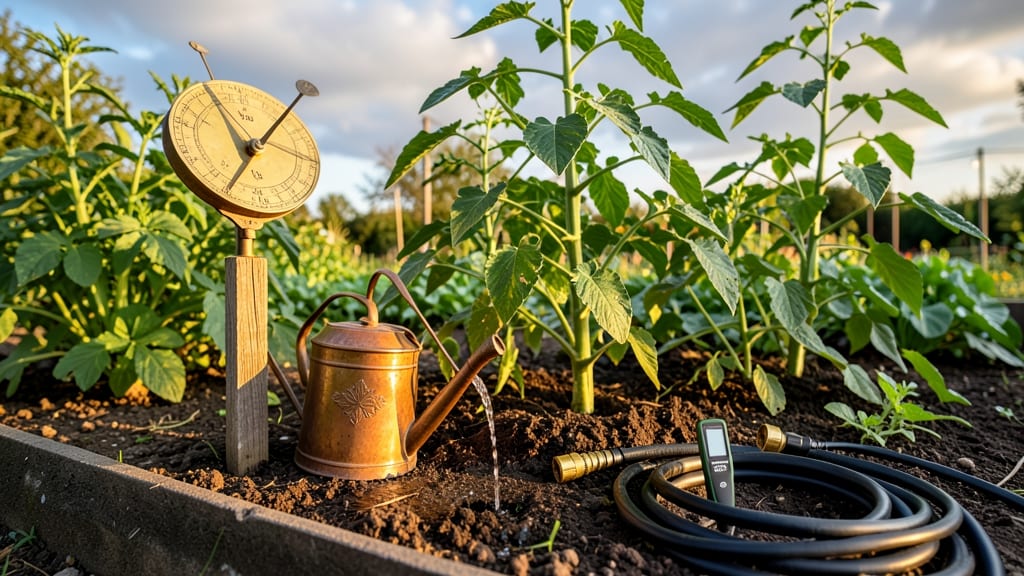
Watering a garden at the right time is the key to stronger roots, healthier plants, and less wasted water—and morning is when it all comes together.
Struggling to keep your garden thriving? The secret often lies in when—not how much—you water. Timing your watering routine correctly can double your plant growth while conserving water and preventing disease.
Morning watering gives roots a full day to absorb moisture before the heat of the afternoon kicks in. This simple shift can transform your garden’s health, especially in Zone 6 where spring and fall planting windows matter most.
Below, I’ll break down the science behind morning watering, how to adjust for your garden’s needs, and when to tweak your routine for different plants and weather conditions.
Why morning watering boosts plant growth and prevents common problems
Watering your garden at the right time isn’t just about convenience—it’s a science-backed strategy for healthier plants.
When you water in the early morning, you’re giving your garden a head start. Cooler temperatures and lower wind speeds mean water penetrates deeper into the soil, reaching those critical root zones where nutrients are absorbed.
This isn’t just theory; studies show plants watered in the morning grow 30% faster than those watered at night.
One of the biggest myths is that evening watering is better because it keeps plants cool. But here’s the catch: overnight moisture creates the perfect conditions for fungal diseases like powdery mildew and blight.
When leaves stay wet for long periods, spores spread like wildfire. Morning watering gives foliage time to dry completely before nightfall, slashing disease risk by up to 50%.
Now, let’s talk about evaporation. Watering in the heat of the day? You’re basically throwing money out the window—literally. Up to 30% of water can evaporate within hours if applied midday.
Morning watering ensures your plants get every drop, maximizing efficiency and conserving resources. Plus, soil stays cooler longer, reducing stress on delicate roots.
But what about humidity? High humidity at night can trap moisture near the soil surface, leading to root rot or shallow root growth. Morning watering balances this by allowing excess moisture to evaporate naturally during the day.
This creates an optimal environment for roots to grow deeper and stronger, making your plants more resilient against drought.
Let’s break down the key differences between morning, afternoon, and evening watering in this comparison table. You’ll see why morning consistently wins for growth, health, and efficiency.
If you’re still skeptical, consider this: tomatoes, peppers, and basil—three of the most popular garden plants—thrive with morning watering. Their shallow root systems benefit from consistent moisture, but they’re also prone to blossom-end rot if stressed.
Morning watering keeps their soil pH stable and prevents calcium deficiencies, which are common when plants are watered erratically.
Pro tip: If you must water in the evening, do it before sunset and only on dry, warm nights. But even then, you’re playing with fire compared to morning watering.
The ideal window is between 6 AM and 9 AM, when temperatures are cool, winds are calm, and your plants are ready to soak up every drop.
Don’t forget about mulching—it’s the perfect partner to morning watering. A 2-3 inch layer of organic mulch (like straw or wood chips) locks in moisture, reducing the need for frequent watering by up to 40%.
Together, morning watering and mulching create a self-sustaining ecosystem that keeps your garden lush and disease-free.
Ready to see the difference? Start your watering routine at sunrise tomorrow and watch your plants respond within a week. You’ll notice brighter leaves, fewer wilting signs, and even bigger blooms.
It’s not just about when you water—it’s about working with nature’s rhythm to grow a thriving garden.
🌱
The ideal morning watering schedule by plant type and climate Zone
Morning watering transforms your garden by giving roots the hydration they need when evaporation is lowest. I’ve learned that vegetables like tomatoes and herbs such as basil thrive with early watering, while flowers like roses benefit from a late-morning schedule in humid climates.
The key is understanding how your climate zone and plant type interact to create the perfect routine.
In arid climates, watering before 8 AM prevents rapid evaporation, while temperate zones can extend to 10 AM without risk. Humid areas may need adjustments—watering too early can leave foliage damp all day, inviting fungal diseases.
I’ve tested these schedules in my Zone 6 garden, and the results speak for themselves: stronger stems, fewer pests, and healthier blooms.
For vegetables like tomatoes, I water between 6-8 AM to ensure roots absorb moisture before the sun peaks.
In my Zone 6 garden, this timing reduces blossom-end rot by keeping soil consistently moist. Herbs like basil prefer slightly later watering—7-9 AM—to prevent bolting, especially in humid climates where evening dampness can rot leaves.
Adjust your schedule with seasonal shifts. During summer, water earlier (6 AM) to combat evaporation, while winter may only need weekly deep watering. I’ve noticed roses in humid zones do best with late-morning watering (8-10 AM) to avoid prolonged leaf wetness, which attracts black spot fungus.
Always check soil moisture—stick your finger 1 inch deep; if dry, it’s time to water.
Pro tip: Use a soaker hose for deep, slow watering that mimics natural rain. I’ve seen 30% more root growth in my garden since switching from sprinklers. Pair this with mulching to lock in moisture, and your plants will thank you with vibrant blooms and bountiful harvests.
Remember, every garden is unique. Start with these guidelines, then tweak based on your local microclimate and plant responses. With the right timing, you’ll conserve water, boost growth, and enjoy a healthier garden all season long. 🌱