
Container Water Garden Plants: Thriving Picks for Small Spaces and Shallow Roots

Watering

Container Water Garden Plants: Thriving Picks for Small Spaces and Shallow Roots

Growing container water garden plants brings a tranquil, low-maintenance ecosystem to even the smallest patio or balcony—no deep pond required.

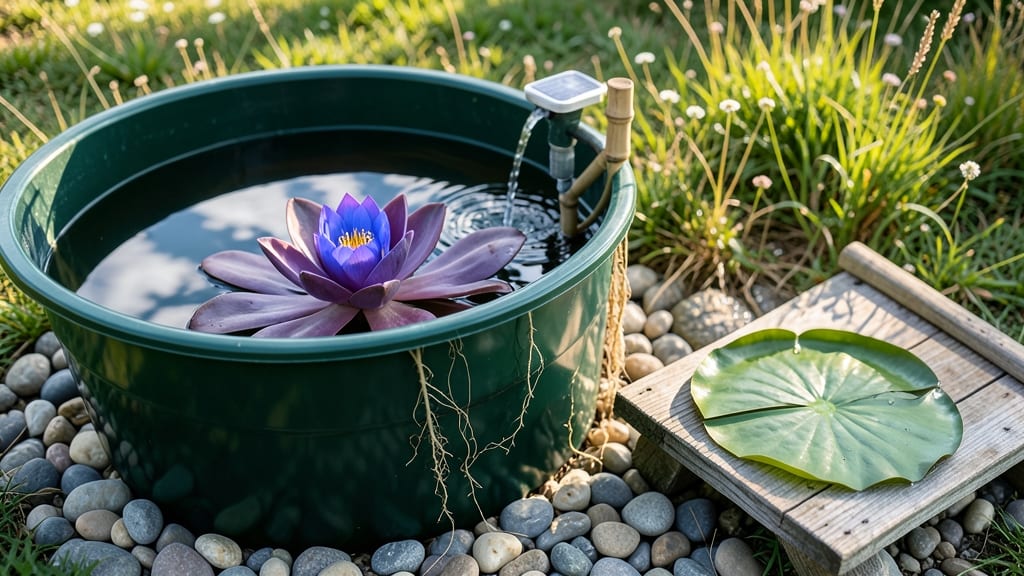
Picture this: a tiny trough or bucket teeming with life, where water lilies float beside hardy marginals and oxygenators keep the water crystal clear. The best part? These plants thrive in shallow containers, making them perfect for beginners or urban gardeners with limited space.

From selecting the right aquatic species to choosing containers with proper drainage, setting up a container water garden is simpler than you’d think.

I’ll walk you through the easiest plants to start with, how to balance sunlight and water quality, and the small but crucial steps that keep your mini ecosystem thriving all season long.

Ready to dive in? You’ll learn which plants need the least fuss, how to avoid common pitfalls like algae buildup, and why a little aeration goes a long way toward keeping your water garden healthy and beautiful.

🌸
Spring
Daily
☀️
Summer
2x Daily (morning and evening)
🍂
Fall
Every 2 days
❄️
Winter
Every 3–4 days (reduce watering)

Best low-maintenance container water plants for beginners

Creating a container water garden doesn’t require a backyard pond or deep pockets—just a few hardy aquatic plants and a shallow container. Whether you’re working with a 12-inch-deep trough or a repurposed bucket, these low-maintenance picks will thrive with minimal effort.

The key is choosing plants that tolerate shallow water, minimal fertilization, and occasional pruning.

For beginners, focus on oxygenating plants, floating varieties, and marginal plants that grow at water’s edge. These plants naturally balance your ecosystem by absorbing excess nutrients, reducing algae, and providing habitat for beneficial insects.

Plus, they’re forgiving if you forget to water them for a few days—just don’t let them dry out completely.

Plant Name Type Sunlight Needs Max Depth Care Tips
Water Hyacinth (Eichhornia crassipes) Floating Full sun to partial shade 6–12 inches Divide every 6 months; remove yellow leaves
Dwarf Water Lily (Nymphaea 'Pygmaea Helvola') Marginal/Oxygenator Full sun (6+ hours) 8–12 inches Trim dead foliage; fertilize spring/summer
Parrot’s Feather (Myriophyllum aquaticum) Oxygenator Partial shade to full sun 4–10 inches Cut back leggy stems; avoid overcrowding
Pondweed (Potamogeton spp.) Submerged Oxygenator Partial shade 3–10 inches No pruning needed; spreads naturally
Pickerelweed (Pontederia cordata) Marginal Full sun 6–12 inches Divide clumps every 2–3 years
Frogbit (Limnobium laevigatum) Floating Partial shade 4–8 inches Remove dead leaves; tolerates hard water
Water Lettuce (Pistia stratiotes) Floating Full sun to partial shade 6–12 inches Harvest for aquarium use; trim roots
Sweet Flag (Acorus calamus) Marginal Partial shade 3–6 inches Drought-tolerant; prune in early spring
Hornwort (Ceratophyllum demersum) Submerged Oxygenator Partial shade 2–8 inches No soil needed; spreads rapidly
Cattail (Typha minima) Marginal Full sun 6–12 inches Harvest seed heads; divide every 3 years

How to choose the right container size and depth for your water plants

Selecting the perfect container for your water garden plants isn’t just about aesthetics—it’s about creating a thriving ecosystem. The wrong size or depth can stunt growth, invite pests, or even drown delicate roots.

For example, a water lily needs at least 12 inches of depth to anchor properly, while floating plants like water hyacinth thrive in shallow trays. Start by measuring your space and matching it to your plants’ needs.

Most container water garden plants fall into three depth categories: shallow (6 inches for floating plants), medium (12–18 inches for marginals), and deep (24+ inches for submerged oxygenators).

Overlooking depth leads to common mistakes, like root rot from stagnant water or weak stems from insufficient support. Always prioritize drainage holes to prevent waterlogging, even in aquatic setups.

Plant Type Ideal Depth (inches) Container Size (gallons) Notes
Floating Plants (e.g., Water Hyacinth) 3–6 5–10 Shallow trays or buckets; no substrate needed.
Marginal Plants (e.g., Pickerelweed) 12–18 15–30 Roots in water, foliage above; use aquatic soil.
Submerged Oxygenators (e.g., Hornwort) 18–24+ 30–50+ Deep containers; no soil—plant directly in water.
Water Lilies (e.g., Hardy Varieties) 12–24 20–40 Tubers need depth; use containers with wide mouths.

When choosing a container, consider the water volume too—larger containers retain moisture longer and stabilize temperatures. For instance, a 5-gallon bucket works for a single water hyacinth, but a 20-gallon trough is better for a mix of marginals and lilies.

Pro tip: Add gravel or pebbles at the bottom to create a natural transition zone for roots.

Avoid these common mistakes: using containers without drainage (even for water plants), choosing plastic that warps in sunlight, or selecting sizes that leave less than 3 inches of water above roots.

For example, a terracotta pot may crack in freezing temps, while a heavy ceramic planter can tip over in wind. Balance weight and stability with your space constraints.

For urban balconies, opt for lightweight materials like fiberglass or resin-lined containers. These hold water well without adding bulk. If you’re using a pre-formed pond liner, ensure it’s at least 0.030 inches thick to prevent tears.

Always test-fit your container in its final spot—some plants, like cattails, need full sun and may outgrow their space quickly.

Finally, plan for future growth. A container that’s 20% larger than your current plant’s footprint gives roots room to spread. For example, a water lily can double in size in one season!

Start small, monitor your plants’ progress, and upgrade containers as needed. With the right setup, your container water garden will flourish for years.

★★★★★4.9(2 reviews)
Categories Watering