
Pests
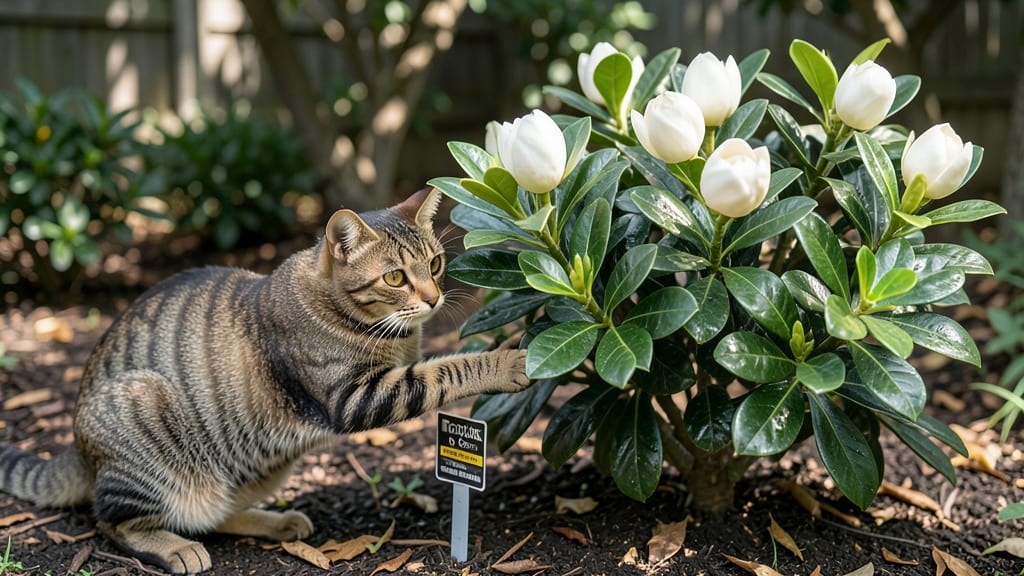
Gardenia plants are toxic to cats because their leaves, flowers, and stems contain harmful compounds like saponins and cyanogenic glycosides. These can trigger vomiting, excessive drooling, and lethargy if your cat ingests any part of the plant. Always keep gardenias out of reach and contact a vet immediately if you suspect poisoning.
Gardenia toxicity in cats stems from two key compounds that disrupt their digestive and nervous systems.
Saponins create stomach irritation, while cyanogenic glycosides can release cyanide when metabolized, leading to more severe reactions like weakness or even respiratory distress. 🐱 Even small nibbles can cause problems, so it's best to avoid these plants entirely if you share your home with cats.
For immediate relief, induce vomiting with hydrogen peroxide (only under vet guidance) and monitor for symptoms like diarrhea or rapid heartbeat.
If you love the look of gardenias but need cat-friendly alternatives, consider spider plants or Boston ferns—they're non-toxic and thrive in similar lighting. African violets are another safe option with vibrant blooms.
For extra peace of mind, place toxic plants in hanging baskets or closed rooms where curious paws can't reach. Always double-check with your vet before introducing new plants to your home.
💡 In This Article
- Toxic Compounds in Gardenias and Their Effects on Cats
- Cat-Safe Garden Alternatives to Gardenias
Toxic compounds in gardenias and their effects on cats
Gardenia plants contain two primary toxic compounds that pose serious risks to cats: saponins and cyanogenic glycosides. Saponins are naturally occurring glycosides that create soapy lather when mixed with water, but in cats, they act as irritants to the digestive tract.
When ingested, these compounds trigger intense vomiting within 30 minutes to 2 hours, often accompanied by excessive drooling and abdominal pain. The severity depends on the amount consumed—even a single leaf can cause noticeable symptoms in a 10-pound cat, while larger ingestions may lead to more dangerous complications.
The second threat comes from cyanogenic glycosides, which release cyanide when metabolized in a cat's liver. This process disrupts cellular oxygen utilization, potentially causing respiratory distress, weakness, or even collapse in severe cases. 🐾 The combination of these toxins makes gardenias particularly hazardous, as they attack multiple body systems simultaneously.
Unlike some plants that cause single-system reactions, gardenias create a cascade effect—starting with digestive upset that can rapidly progress to neurological symptoms if untreated. This dual-mechanism toxicity explains why even small exposures warrant immediate veterinary attention.
Symptoms typically manifest within 6 to 12 hours of ingestion, though some cats may show signs as quickly as 30 minutes after nibbling. Early indicators include vomiting, diarrhea, and lethargy, while advanced symptoms progress to rapid breathing, pale gums, and loss of coordination.
The ASPCA classifies gardenias as moderately toxic to cats, meaning reactions can range from mild discomfort to life-threatening situations depending on the individual cat's size and sensitivity. A 5-pound kitten might experience more severe effects than a 15-pound adult cat consuming the same amount of plant material.
What makes gardenias particularly insidious is their appealing fragrance and appearance to cats. The sweet, floral scent often attracts curious feline noses, while the glossy leaves have a texture some cats find tempting to chew.
This dual allure increases the risk of accidental ingestion, especially in multi-level homes where gardenias might be placed on windowsills or tables. 🌿 The plant's toxicity isn't limited to fresh material—dried gardenia leaves or stems can also cause reactions, as the compounds remain potent even after the plant has wilted.
This persistence means even decorative arrangements should be treated with caution in cat-friendly households.
If you suspect your cat has ingested gardenia, immediate action is critical. Do not induce vomiting without veterinary guidance, as some symptoms may require professional treatment. Monitoring for 24 hours is essential, as delayed reactions can occur.
The ASPCA Poison Control Center recommends having your vet assess whether activated charcoal (to bind toxins) or supportive care (like IV fluids) will be needed. In severe cases, hospitalization may be required to manage respiratory distress or cardiac effects from the cyanide component.
Understanding these mechanisms helps explain why gardenias should never be considered safe "just because" your cat hasn't shown interest before.
The combination of attractive appearance, potent toxins, and multi-system effects creates a dangerous scenario for any household with feline companions. 🚨 The key takeaway is prevention—keeping gardenias completely inaccessible is the only truly safe approach, as there's no guaranteed antidote for these specific toxins once ingestion occurs.