
How To
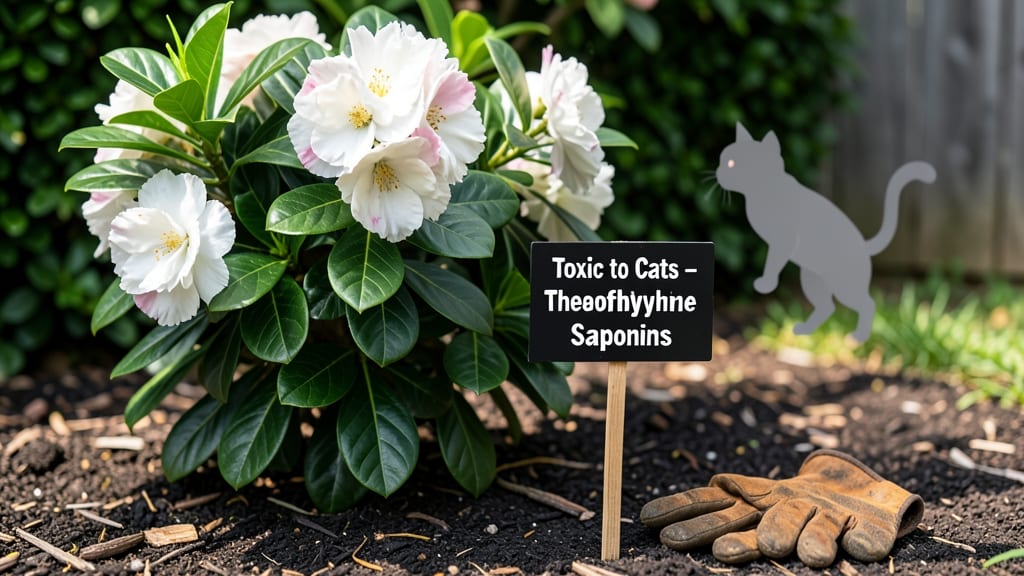
Gardenias are toxic to cats due to their thevetia peruviana content, which triggers vomiting, drooling, and lethargy when ingested. Symptoms typically emerge within hours, with severity tied to the amount consumed. If your cat shows signs of exposure, seek veterinary care immediately.
Gardenias contain compounds like thevetia peruviana and saponins that disrupt a cat's digestive and nervous systems. 🐱 These plants are particularly dangerous because cats' sensitive stomachs react strongly to even small amounts.
Thevetia peruviana is especially potent—it can cause more severe symptoms like weakness or even cardiac issues in extreme cases. Unlike humans, cats lack the enzymes to process these toxins efficiently, making them far more vulnerable to plant poisoning.
If you love gardenias but share your home with a feline, consider swapping them for cat-safe alternatives like spider plants or Boston ferns. These options provide similar beauty without the risk.
Always double-check with your vet before introducing new plants to your home, as some cats may still react differently to unfamiliar foliage.
💡 In This Article
- Gardenia Toxicity in Cats: Chemical Composition and Effects
- Cat-Safe Garden Alternatives to Gardenias
Gardenia toxicity in cats: chemical composition and effects
The primary toxins in gardenias are thevetia peruviana (a cardiac glycoside) and saponins, both of which wreak havoc on a cat's delicate systems. Thevetia peruviana disrupts the sodium-potassium pumps in their heart and nerve cells, leading to irregular heartbeats and neurological symptoms.
Saponins, meanwhile, create foamy saliva and violent vomiting by irritating the gastrointestinal lining. Even a single leaf or flower petal can trigger these reactions in cats, whose smaller bodies process toxins more intensely than larger animals.
Cats are particularly vulnerable because their livers lack the enzymes to metabolize these compounds efficiently. 🐾 Unlike humans, who might experience mild stomach upset, cats can develop severe symptoms like weakness, tremors, or even seizures within 6-12 hours of ingestion.
The ASPCA reports that gardenias rank among the top 10 toxic plants for felines, with symptoms often escalating if treatment is delayed. The plant's sweet fragrance also attracts curious cats, increasing the risk of accidental poisoning.
What makes gardenias especially dangerous is their high concentration of cardiac glycosides—up to 0.5% by weight in the leaves. For perspective, that's roughly equivalent to ingesting a small dose of foxglove, another deadly plant.
Thevetia peruviana works by mimicking natural hormones in a cat's body, causing confusion between "rest" and "contract" signals in muscle cells. This explains why affected cats may exhibit lethargy, drooling, and dilated pupils alongside digestive distress.
Comparing gardenias to other toxic plants highlights their unique danger. While lilies cause kidney failure, gardenias attack multiple systems simultaneously. Their toxins don't just linger—they accumulate in the body, meaning symptoms can worsen even after initial exposure.
This is why vets often recommend induced vomiting or activated charcoal within 2 hours of suspected ingestion to prevent absorption.
Interestingly, the plant's toxicity varies by part: flowers contain higher concentrations of thevetia peruviana than leaves, while stems are moderately toxic. This means even pruned gardenias pose risks.
The sweet scent that humans love is actually a chemical signal to cats that something's "off" in their environment, triggering their natural curiosity—and their instinct to investigate further.
If you notice your cat chewing gardenia leaves or licking petals, act immediately. While mild cases may resolve with supportive care, severe reactions require intravenous fluids and cardiac monitoring. The good news? Gardenias aren't fatal with prompt treatment, but their effects can be life-threatening if ignored.
Always keep these plants out of reach, and consider removing them entirely if your cat shows any interest in them.