
Tools
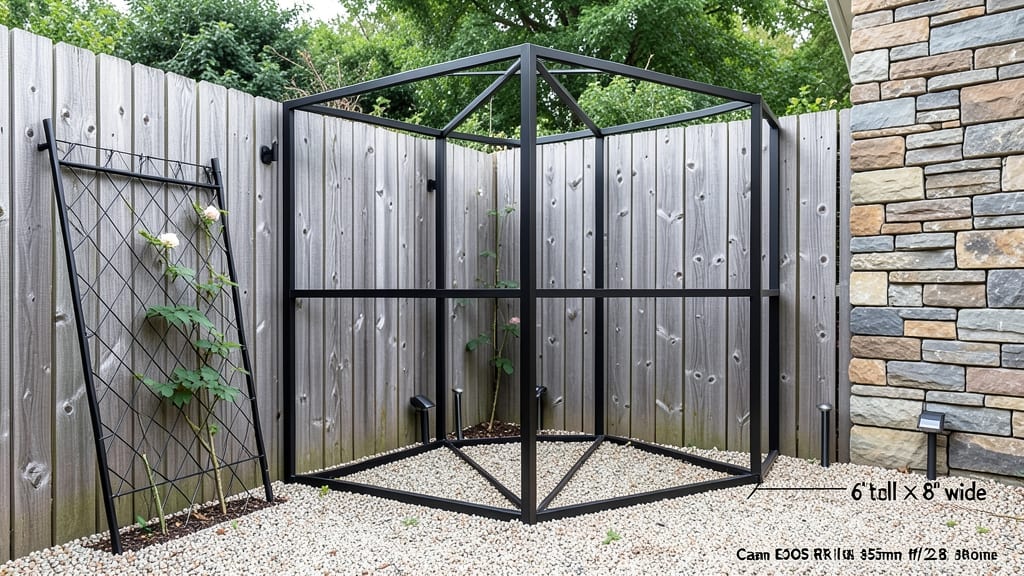
Creating garden enclosure plans helps shield your plants from pests, harsh winds, and wandering animals while clearly defining your growing space. DIY options span from straightforward wooden barriers to elegant lattice frameworks, with material costs—like cedar, vinyl, or metal—typically ranging from $5 to $20 per linear foot for basic setups.
Designing an enclosure starts with understanding your garden’s specific needs. 🌿 A sturdy wooden fence might be perfect for keeping out rabbits, while a decorative lattice could support climbing plants while allowing airflow.
The right choice depends on factors like your local climate, the types of plants you’re growing, and how much maintenance you’re willing to handle. For example, metal enclosures resist rot but can rust over time, while vinyl offers durability with lower upkeep but at a higher initial cost.
Beyond protection, enclosures can also enhance your garden’s aesthetic appeal. Whether you opt for a rustic wooden look or a sleek modern design, the structure you choose will influence both the functionality and the overall vibe of your outdoor space.
Many gardeners find that combining different materials—like a wooden base with a metal top—balances cost, durability, and style effectively.
💡 In This Article
- Key Factors in Designing Functional Garden Enclosures
- Budget Breakdown: Comparing Materials for DIY Garden Enclosures
Key factors in designing functional garden enclosures
The height of your garden enclosure plays a critical role in its effectiveness. For most vegetable gardens, a 3-4 foot barrier is ideal—this height deters most small animals like rabbits and squirrels while allowing sunlight to reach plants.
However, if you're growing tall crops like sunflowers or corn, consider 6-8 foot structures to prevent them from leaning against the enclosure.
The material choice affects this too: metal enclosures can be built taller without sagging, while wooden frames may require additional support beams at 5-6 foot intervals to maintain structural integrity.
Ventilation is another often-overlooked factor that directly impacts plant health. Solid enclosures can trap heat and moisture, creating ideal conditions for fungal diseases like powdery mildew. A trellis or lattice design with 50-70% open space allows airflow while still providing protection.
For example, a chicken wire mesh with 1-inch squares offers excellent ventilation while keeping out insects. In hot climates, consider adding adjustable vents at the top to regulate airflow during peak temperatures—this can reduce internal temperatures by 10-15°F compared to sealed enclosures.
Material durability varies dramatically based on your climate conditions. Cedar naturally resists rot and insects, making it perfect for humid environments, while pressure-treated wood adds chemical protection against termites but may require annual sealing to maintain its finish.
For coastal areas, metal enclosures with galvanized or powder-coated finishes prevent corrosion from salt air, though they can become hot to the touch in direct sunlight—something to consider if you're growing heat-sensitive plants like lettuce or herbs.
The right material choice can extend your enclosure's lifespan from 5-10 years for basic wood to 20-30 years for high-quality metal or composite materials.
Climate suitability affects more than just material choice—it influences design elements like foundation depth and weather resistance.
In areas with heavy rainfall, enclosures should have sloped tops or overhangs to prevent water pooling, while windy regions benefit from angled or curved designs that reduce wind resistance by up to 30%.
For example, arched metal enclosures deflect wind better than square wooden frames, making them ideal for exposed locations. Even the color of your enclosure matters: lighter colors reflect sunlight, reducing heat absorption by 20-25% compared to dark materials.
Let's examine how enclosure type impacts specific garden needs. Solid panels provide maximum protection but limit plant growth options—ideal for keeping out deer or protecting delicate seedlings. Trellis designs support climbing plants like cucumbers or beans while allowing sunlight penetration, increasing yield potential by 20-40% for vining crops. Arched structures create vertical growing space, perfect for small gardens where horizontal space is limited.
Each type offers distinct advantages depending on your primary goal: pest control, space optimization, or aesthetic enhancement.
Consider these practical design tips when planning your enclosure: Start with a sketch of your garden layout to visualize how the enclosure will integrate with existing plants. Measure your space carefully—most enclosures require 6-12 inches of clearance around plants to prevent damage during installation.
For multi-level gardens, staggered heights create visual interest while maximizing growing space. And remember, the best enclosures balance function with flexibility—designing with removable panels allows you to adjust access for maintenance or seasonal changes.