
Pests
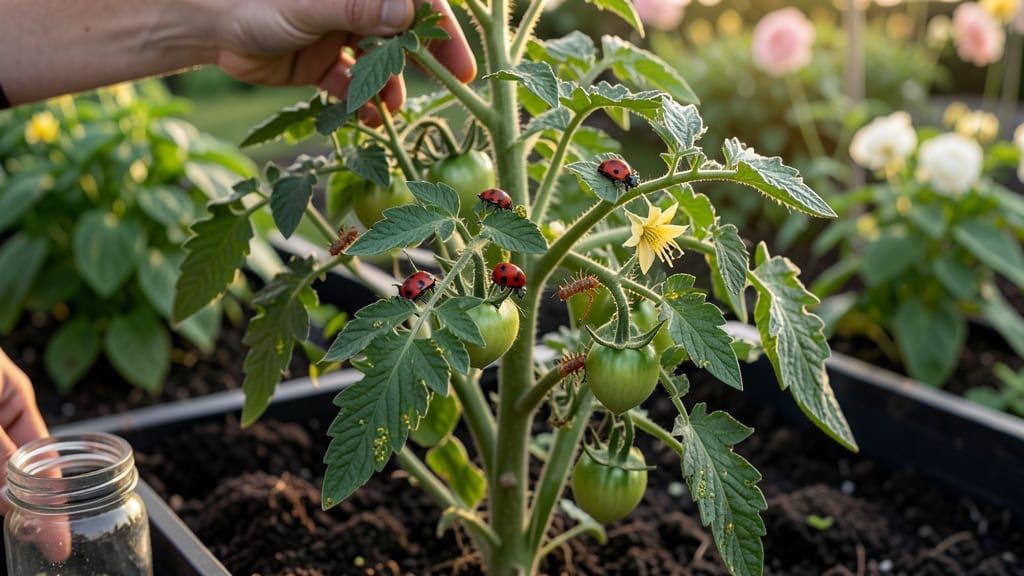
Ladybugs for garden pest control naturally reduce aphids, mites, and soft-bodied insects by consuming hundreds daily, making them an eco-friendly alternative to chemical sprays. Release them at dawn or dusk for best results.
These tiny predators are nature's pest control specialists, with each adult consuming 50-100 aphids daily while their larvae can eat even more. 💫 Their effectiveness comes from their ability to detect prey through scent trails and visual cues, making them particularly adept at targeting colonies of sap-sucking insects.
Unlike chemical treatments, ladybugs don't harm plants or beneficial insects, which is why organic gardeners consider them the gold standard for aphid management. The key to maximizing their impact lies in understanding their natural behaviors and seasonal activity patterns.
For best results, introduce ladybugs when pest populations are just starting to build—typically in early spring or late summer. Planting companion flowers like dill, fennel, or marigolds creates ideal habitats that attract and retain them in your garden.
Many gardeners report seeing 80-90% reduction in aphid populations within two weeks of release, though consistent monitoring is essential to catch any resurgence early. The dawn/dusk release timing helps them avoid predators like birds and spiders while they settle into their new environment.
💡 In This Article
- How Ladybugs Hunt and Consume Garden Pests
- Optimal Ladybug Release Strategies for Maximum Effectiveness
How ladybugs hunt and consume garden pests
Ladybugs employ a sophisticated hunting strategy that combines chemical detection and visual tracking. Their antennae contain specialized receptors that pick up volatile organic compounds released by aphids and other soft-bodied insects.
When these scent trails lead them to prey, ladybugs use their compound eyes to lock onto movement patterns—aphids' slow, erratic crawling triggers their predatory instincts. 🔥 What's fascinating is their preference hierarchy: they prioritize aphids (especially cottony cushion scale and woolly aphids) over mites, and adult ladybugs can consume 50-100 aphids daily, while larvae devour 200-400 during their shorter lifespan.
The consumption process begins with the ladybug's mandibles piercing the prey's exoskeleton. They inject digestive enzymes that liquefy the insides, then suck out the nutrient-rich slurry—a process that takes just 1-2 minutes per aphid.
Their saliva contains compounds that prevent the prey's alarm pheromones from activating nearby insects, creating a feeding frenzy effect. This efficiency explains why gardeners see dramatic reductions in pest populations within 7-14 days of introduction. The key limitation?
Ladybugs avoid hard-shelled insects like beetles or caterpillars, which is why they work best in gardens with soft-bodied pest dominance.
Seasonal behavior plays a crucial role in their effectiveness. Ladybugs enter diapause (a dormant state) during cold months, emerging in spring when aphid populations begin their exponential growth. Their activity peaks during 60-85°F temperatures, which is why early spring or late summer releases align perfectly with pest cycles.
What most gardeners don't realize is that ladybugs prefer to hunt in partial shade—direct sunlight can dehydrate them quickly, reducing their foraging efficiency by up to 40%. This is why planting dense foliage near vulnerable plants creates ideal hunting grounds.
Their hunting success also depends on the prey's vulnerability. Aphids are particularly susceptible because their soft bodies lack protective armor, while mites require more specialized handling. Ladybugs use a technique called "prey subjugation"—they grasp the prey's legs and antennae to immobilize it before feeding.
This method prevents the prey from secreting defensive chemicals that could repel other predators. The result? A highly targeted pest reduction that preserves beneficial insects like bees and hoverflies, which are often collateral damage victims of chemical sprays.
Interestingly, ladybugs exhibit what scientists call "area-restricted search behavior"—they linger in areas with high prey density, creating localized pest control hotspots. This explains why concentrated releases near problem areas (like rose bushes or squash plants) show faster results than widespread distributions.
The trade-off? They may abandon the area if prey becomes scarce, which is why gardeners need to monitor and supplement with additional releases if pest populations rebound. 💫
Understanding these behaviors helps explain why ladybug releases often fail when done incorrectly. For example, releasing them during hot afternoons (90°F+) causes stress that reduces their hunting effectiveness by 30-50%.
Similarly, introducing them to gardens with existing chemical residues can be lethal—ladybugs are highly sensitive to neonicotinoids and pyrethroids, which take 30 days to fully break down in soil. The solution? Always release them in organic gardens or after verifying pesticide clearance.