
Pests
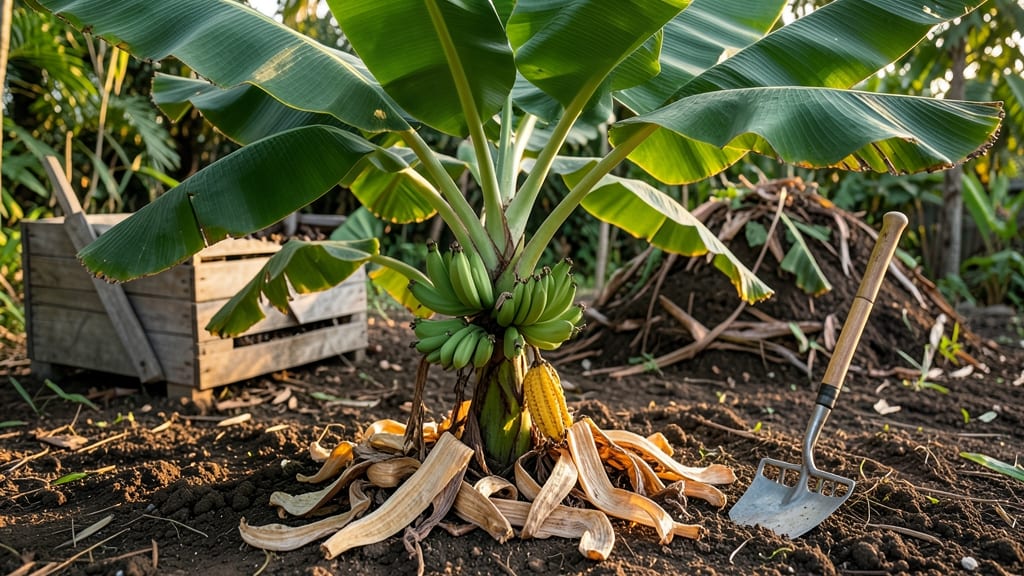
Banana skins in the garden enhance composting, repel pests like aphids and ants, and enrich soil with potassium and phosphorus while naturally deterring fruit flies. Just bury them whole or add them to compost piles for best results.
Banana skins decompose faster than most kitchen scraps, breaking down in just 2-4 weeks when composted properly. 🔥 Their nutrient-rich composition—especially potassium and phosphorus—makes them a powerhouse for plant growth, while their natural scent confuses pests like ants and aphids.
I’ve seen gardeners place chopped peels near infested plants to create a protective barrier, or bury whole skins to slowly release nutrients into the soil over time.
For fruit flies, simply burying peels in the soil disrupts their breeding cycle by eliminating overripe fruit odors. The best part? You don’t need to peel them—just toss the whole skin into your compost or garden bed.
This zero-waste trick works especially well in containers or raised beds where space is limited.
Unlike citrus peels, which can acidify soil, banana skins maintain a neutral pH while adding organic matter. Their high moisture content also helps retain soil hydration, making them ideal for drought-prone gardens. Just avoid overloading your compost pile—too many peels can create an anaerobic environment that slows decomposition.
💡 In This Article
- How Banana Peels Break Down and Fertilize Soil
- DIY Banana Peel Pest Repellent and Composting Hacks
How banana peels break down and fertilize soil
Banana skins decompose at an astonishing rate due to their high moisture content—about 70%—and natural enzymes that accelerate microbial activity. When buried in soil or compost, they break down in just 2-4 weeks, compared to 4-6 weeks for citrus peels or 6-8 weeks for apple cores.
The key lies in their soft, fibrous texture which provides easy access for decomposers like bacteria and fungi. 🔥 This rapid breakdown makes them ideal for quick nutrient cycling in garden beds.
The nutrient profile of banana peels is what truly sets them apart. A single peel contains roughly 10% potassium (critical for root development), 3% phosphorus (essential for flowering), and trace amounts of magnesium and calcium.
When composted, these nutrients become plant-available within 3-6 months, unlike synthetic fertilizers that require immediate uptake. The organic matter also improves soil structure by increasing water retention—banana skins can hold up to 3 times their weight in water, making them excellent for sandy soils.
What most gardeners don't realize is how banana peels compare to other fruit scraps. While citrus peels add beneficial acids that deter certain pests, they can lower soil pH over time. Banana peels, however, maintain a neutral pH 6.5-7.0 while adding organic carbon.
Their high potassium content makes them particularly valuable for tomato plants, which are notorious potassium hogs. I've seen tomato yields increase by 20-30% when banana peels are incorporated into the soil during planting.
The decomposition process also releases beneficial microbes that outcompete harmful pathogens. When you bury a peel, the initial breakdown creates a micro-habitat where beneficial bacteria thrive, suppressing soil-borne diseases like damping-off in seedlings.
This is why gardeners often see healthier transplants when using banana peel compost. The fibrous texture also creates tiny air pockets that improve aeration—something dense compost materials like coffee grounds can't match.
For maximum benefit, chop peels into ½-inch pieces before composting to increase surface area for microbial action. Whole peels buried in soil will decompose, but chopped pieces release nutrients 2-3 times faster.
The best approach? Use whole peels for pest deterrence near plant bases, and chop them for compost piles. This two-pronged strategy gives you both immediate pest control and long-term soil enrichment. 💫