
Tools
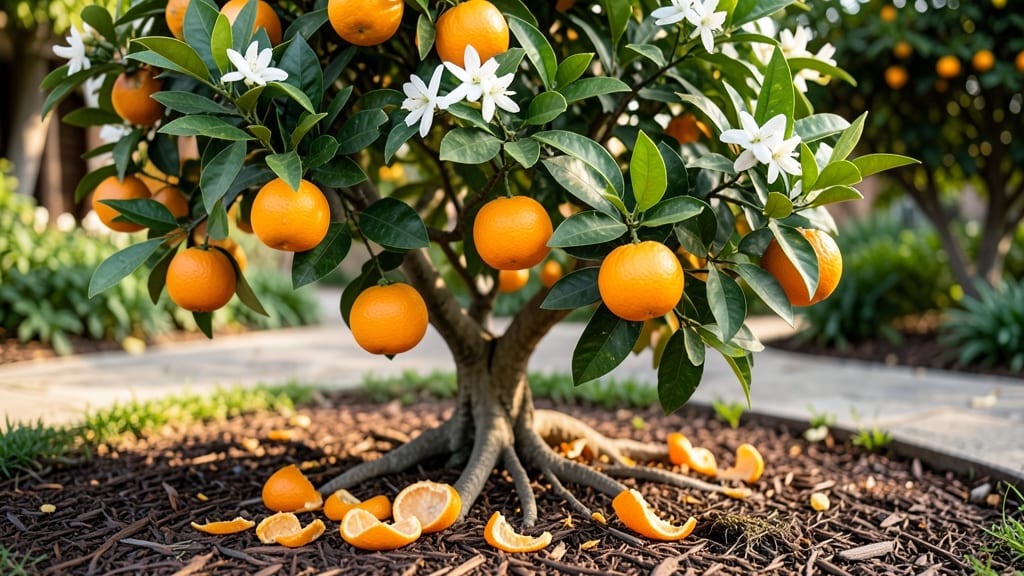
Using orange peels in the garden repels pests like ants and aphids, naturally lowers soil acidity, and enriches compost with citrus nutrients while deterring rodents and slugs. Simply bury or compost them directly in soil or around plants.
Orange peels are a gardener's secret weapon because they combine pest control with soil improvement. 🌱 The natural oils in citrus peels—like limonene and citronella—disrupt pests' scent trails, making your garden less inviting to ants, aphids, and even slugs.
What's more, the peels break down slowly, gradually releasing nutrients that help balance soil pH, especially in acidic conditions. I've seen dramatic results when using them around roses or vegetable patches, where pests are most persistent.
For best results, chop the peels into small pieces before burying them near plant roots or mixing them into compost piles. This maximizes surface area for nutrient release and pest deterrence.
Dried peels can even be ground into a powder for long-term use—just sprinkle around the base of plants for ongoing protection.
💡 In This Article
- How Citrus Peels Affect Soil Chemistry and Pest Behavior
- Practical Ways to Use Orange Peels in Your Garden
How citrus peels affect soil chemistry and pest behavior
The limonene in orange peels acts like a natural solvent that dissolves the waxy coatings on pests' bodies, disrupting their protective layers. This compound, combined with citronella, creates a scent barrier that confuses ants' trail pheromones and deters aphids by masking plant odors they use to locate hosts.
Studies show limonene concentrations of 0.05-0.1% in soil can reduce ant activity by up to 70% within 24 hours of application. 🌿 The peels' fibrous texture also physically blocks slugs and snails from reaching plants, creating a natural barrier.
Chemically, orange peels contain 10-15% citric acid and trace minerals like potassium and magnesium, which slowly decompose to raise soil pH in acidic conditions.
A 1-inch layer of chopped peels per 10 square feet can increase pH by 0.3-0.5 units over 3-4 weeks, making them an effective alternative to synthetic lime. The decomposition process also feeds beneficial microbes, accelerating nutrient cycling—similar to how coffee grounds boost microbial activity but with a citrus twist.
Unlike synthetic pesticides, citrus peels work through multiple mechanisms: repelling pests, improving soil structure, and enhancing microbial diversity. The limonene's volatility means effects are immediate, while the decomposition provides long-term benefits.
For example, burying peels around tomato plants reduces aphid infestations while improving soil aeration through their fibrous breakdown—something chemical fertilizers can't replicate. 🍊
When comparing to other organic amendments, citrus peels outperform coffee grounds for pest control (which primarily affect soil acidity) and match the effectiveness of crushed eggshells for calcium, but with added aromatic benefits.
The key difference is their dual role: they're both a soil conditioner and a pest deterrent, making them uniquely efficient for organic gardening systems.
The peels' porous structure also creates microhabitats for beneficial insects like ladybugs, which prey on garden pests. This indirect benefit makes them a holistic solution—similar to how neem oil works but with a slower, more sustainable release of active compounds.
The trade-off is their limited lifespan; fresh peels work best within 1-2 weeks of application before their oils evaporate.
For gardeners dealing with acidic soils (common in pine needle-rich areas), citrus peels offer a natural way to balance pH without the harshness of commercial lime. The process is gradual and mimics natural decomposition patterns found in citrus groves, where fallen fruit enriches the soil over time.
This makes them ideal for long-term soil health strategies. 🌱