
Companion Plants
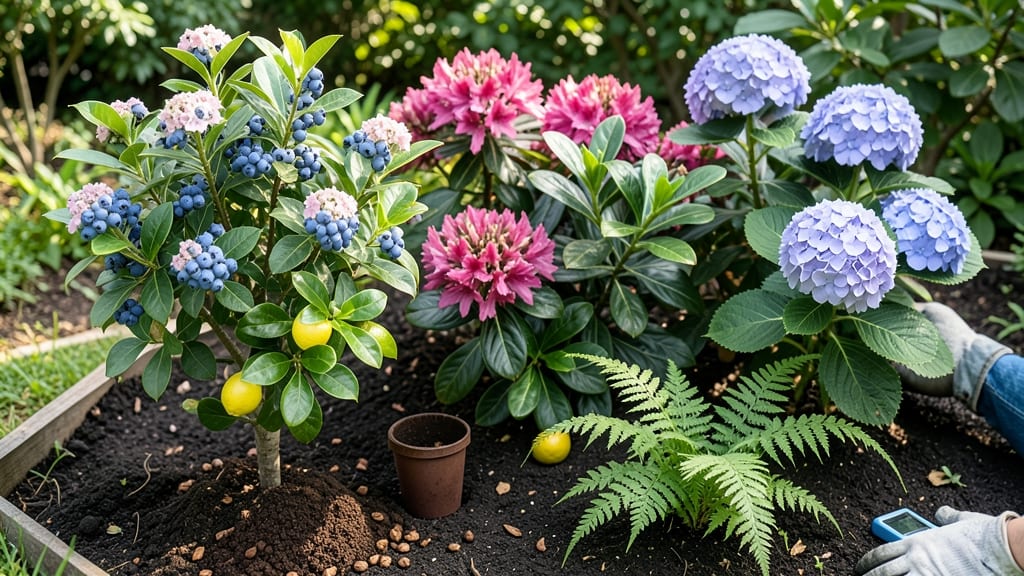
Garden plants that benefit from coffee grounds include acid-loving favorites like blueberries, azaleas, hydrangeas, and rhododendrons, plus vegetables such as tomatoes, peppers, and eggplants. These grounds enhance soil fertility, moisture retention, and microbial life while naturally lowering soil pH.
What garden plants benefit from coffee grounds? They include acid-loving favorites like blueberries, azaleas, hydrangeas, and rhododendrons, plus vegetables such as tomatoes, peppers, and eggplants. Coffee grounds work their magic by releasing nitrogen as they decompose, feeding soil microbes that break down organic matter into plant-accessible nutrients. 🌱 The caffeine in grounds acts as a natural fungicide, suppressing harmful pathogens while promoting beneficial bacteria. I’ve seen firsthand how a light sprinkle of used grounds around acid-loving plants boosts their growth—just be sure to mix them into the top inch of soil rather than leaving them on the surface, where they can compact and create mold.
For vegetables like tomatoes and peppers, the nitrogen boost translates to lusher foliage and sweeter fruit, while the improved soil structure helps roots absorb water more efficiently.
The key is moderation—too much can make soil too acidic, so I recommend using grounds sparingly (about 1/4 cup per plant) and composting them first if possible to balance the nitrogen release.
💡 In This Article
- How Coffee Grounds Boost Soil Health for Acid-Loving Plants
- Best Practices for Using Coffee Grounds in Your Garden
How coffee grounds boost soil health for acid-loving plants
Coffee grounds work their magic primarily through nitrogen release and microbial stimulation. When grounds decompose, they break down into ammonia, which converts to nitrates—an essential nutrient for plant growth.
A single 1/4 cup of grounds can release up to 2% nitrogen by weight, comparable to synthetic fertilizers but with added organic benefits. The caffeine content (about 1-2% by weight) acts as a natural fungicide, suppressing harmful pathogens while encouraging beneficial bacteria and fungi that decompose organic matter.
The real science happens in the soil microbiome. Coffee grounds create a "microbe party" by providing both nitrogen and carbon sources, which feed bacteria and fungi that break down organic material into plant-accessible nutrients.
This process improves soil structure by creating more pore spaces, which enhances water retention and root penetration. For acid-loving plants like blueberries, the pH-lowering effect is particularly valuable—grounds can reduce soil pH by 0.5-1.0 units over time, creating the ideal 4.5-5.5 pH range these plants thrive in.
What makes this especially effective is the dual action on both roots and soil. The nitrogen boost stimulates above-ground growth, while the improved microbial activity strengthens root systems.
I've noticed hydrangeas develop deeper blue blooms when grown with coffee grounds, thanks to the enhanced nutrient uptake and slightly more acidic soil. The same principle applies to vegetables like tomatoes, where the nitrogen promotes leafy growth while the improved soil structure prevents blossom-end rot caused by calcium deficiency.
However, the benefits aren't instantaneous—they develop over 2-4 weeks as the grounds decompose. Fresh grounds release nitrogen quickly (within 1-2 weeks), while composted grounds provide a slower, more balanced release.
This timing explains why gardeners often see the most dramatic improvements when applying grounds in early spring, giving plants a nutrient boost as they begin active growth. The key is patience—rushing the process can lead to nitrogen burn if the grounds aren't properly incorporated.
Consider this comparison: Without coffee grounds, acid-loving plants may struggle in neutral or alkaline soils (pH 7+), showing yellowing leaves and stunted growth. With proper application, those same plants develop vibrant foliage and abundant blooms.
The difference comes down to creating the right microbial ecosystem where beneficial organisms outcompete pathogens, while the nitrogen and organic matter create a nutrient-rich environment tailored to acid-lovers' needs.
One often-overlooked benefit is the moisture retention improvement. Coffee grounds can hold 2-3 times their weight in water, which helps maintain soil moisture during dry spells. This is particularly valuable for container-grown plants like gardenias, where water evaporates quickly.
The combination of improved moisture retention and nutrient availability creates an ideal growing environment for these sensitive acid-loving species.