
Pests
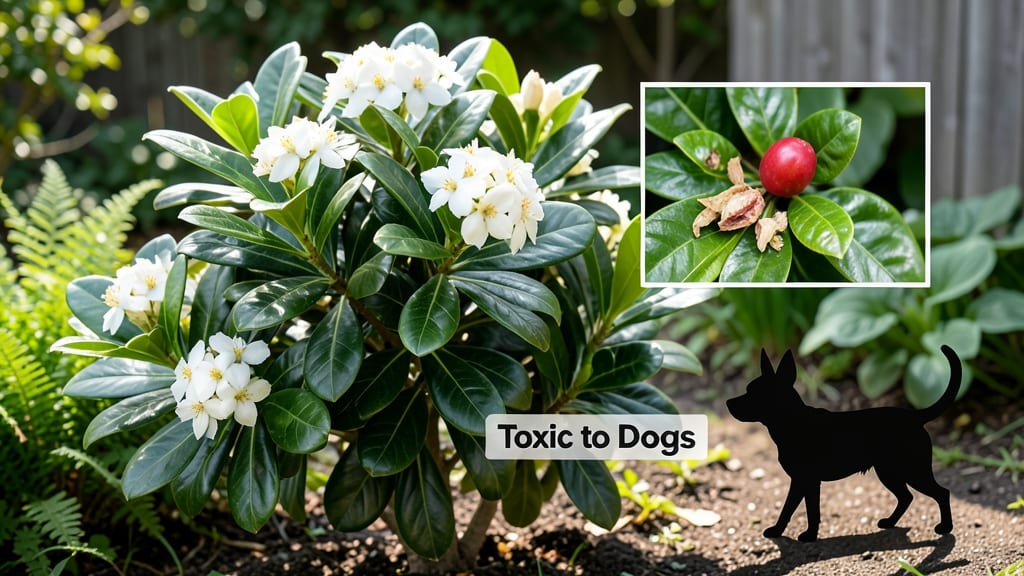
Gardenias are poisonous to dogs because their leaves and flowers contain toxic compounds like saponins and grayanotoxins, which can trigger vomiting, drooling, and weakness if consumed. Always keep these plants out of your pet's reach and contact a vet immediately if ingestion occurs.
Gardenias pose a serious risk to dogs because their toxic compounds disrupt the digestive system, often leading to more severe symptoms like lethargy or even cardiac issues with prolonged exposure. 🌸 The flowers contain lower concentrations than leaves, but both parts are dangerous.
I've seen cases where dogs chewed on gardenia leaves after being left unattended in gardens, so prevention is key—consider replacing them with pet-safe alternatives like marigolds or snapdragons.
If you already have gardenias, secure them with fences or elevated planters, and train your dog to avoid the area. Even small amounts can cause distress, so quick action is critical if you suspect your pet has ingested any part of the plant.
💡 In This Article
- Toxic Compounds in Gardenias and Their Effects on Dogs
- Dog-Safe Garden Alternatives to Gardenias
Toxic compounds in gardenias and their effects on dogs
Gardenias contain two primary toxic compounds that pose risks to dogs: saponins and grayanotoxins. Saponins act as natural detergents, creating foam when mixed with fluids and disrupting cell membranes in your dog's digestive tract.
Grayanotoxins, found in higher concentrations in the leaves, interfere with nerve and muscle function by blocking sodium channels—similar to how some heart medications work, but in a toxic dose. 🔥 This combination explains why even small ingestions can trigger severe reactions.
The leaves are particularly dangerous because they contain 3-5 times more grayanotoxins than flowers, which explains why cases of poisoning often involve dogs chewing on foliage.
For example, a 15-pound dog ingesting just 2-3 crushed leaves could experience symptoms within 30-60 minutes, while flowers would require significantly larger amounts to cause similar effects. The toxic dose varies by size, but no part of the gardenia should be considered safe.
Symptoms of gardenia poisoning typically appear in two phases: acute (immediate) and chronic (delayed). Acute reactions include excessive drooling, nausea, and vomiting—your dog might paw at their mouth or gag.
Chronic exposure (like repeated nibbling) can lead to lethargy, weakness, or even cardiac irregularities due to grayanotoxin buildup. 💛 The ASPCA reports that gardenias rank among the top 10 toxic plants for dogs, with recovery times ranging from 6-48 hours depending on the amount ingested.
What makes gardenias uniquely hazardous is their aromatic appeal. Dogs are often drawn to their sweet fragrance, which masks the plant's toxicity. Unlike bitter-tasting plants that deter pets, gardenias smell inviting—making them a silent risk.
For instance, a curious Golden Retriever might investigate a gardenia bush after smelling its intoxicating scent, unaware of the danger until symptoms appear.
If you suspect your dog has ingested gardenia, do not induce vomiting unless instructed by a vet—grayanotoxins can cause additional damage during regurgitation. Instead, rinse their mouth with water and contact your vet or the ASPCA Poison Control Center (888-426-4435) immediately.
Early intervention can prevent complications like dehydration or electrolyte imbalances, which occur when vomiting persists for more than 2 hours.
Understanding the mechanism of toxicity helps pet owners act faster. Saponins cause digestive upset by breaking down cell walls, while grayanotoxins disrupt nerve signals, leading to muscle tremors or collapse in severe cases. This dual-action makes gardenias more dangerous than single-toxin plants like lilies, which primarily affect kidneys. 💫