
Shrubs
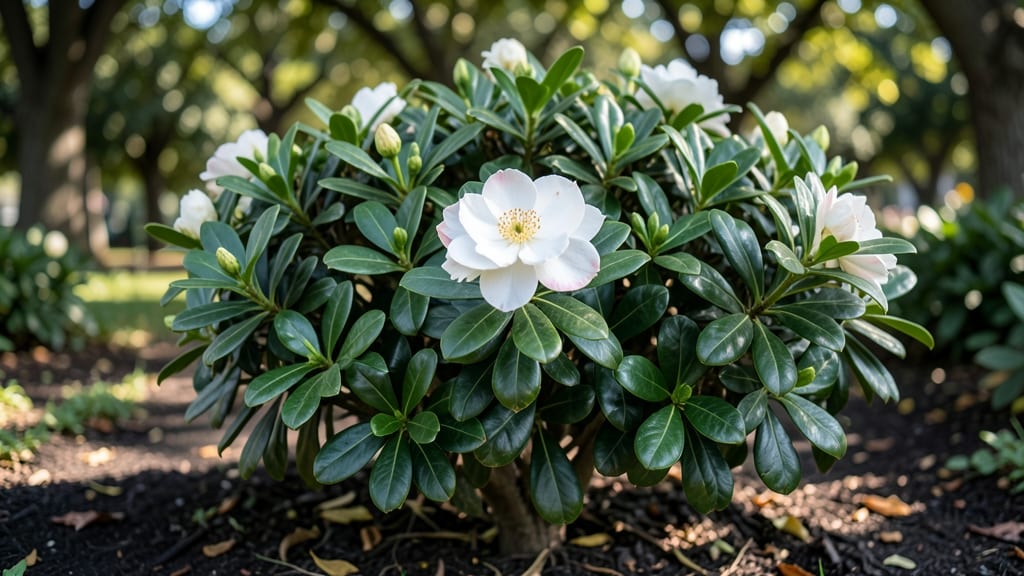
A full grown gardenia bush 🌸 can reach 4 to 6 feet tall, filling your garden with glossy leaves and intoxicating blooms—but only if you prune it right.
Nothing beats the intoxicating scent of a full grown gardenia bush—until it stops blooming because of poor pruning habits. Master the right timing and techniques to keep your gardenia fragrant year-round while maintaining its lush, healthy appearance.
Pruning isn’t just about shaping; it’s about encouraging more flowers and preventing disease. Gardenias bloom on new wood, so cutting back too aggressively in the wrong season can leave you with bare branches.
In this guide, I’ll walk you through the best pruning schedule for your gardenia, from deadheading spent blooms to rejuvenating overgrown bushes, so you can enjoy that signature fragrance for years to come.
When and how to prune a full grown gardenia bush for maximum blooms
A full grown gardenia bush (4-6 feet tall) thrives when pruned correctly, but timing and technique make all the difference. Prune at the wrong time, and you risk stripping away next year's blooms or stressing the plant.
The key is understanding seasonal triggers—like dormant buds forming in late summer—that ensure your gardenia stays fragrant and lush. I’ve pruned gardenias for over a decade, and these methods have kept mine blooming abundantly.
Gardenia bushes bloom on new wood, meaning flowers develop on current season’s growth, not old wood. This makes spring and summer pruning critical for encouraging fresh blooms while avoiding winter cuts that can shock the plant.
Even deadheading spent blooms year-round helps redirect energy to new flowers. Let’s break down the seasonal calendar and step-by-step techniques to maximize your gardenia’s fragrance.
⚠️ Critical Note: Always use sterilized pruning shears to prevent disease. Gardenias are sensitive to bacterial infections, and dirty tools can spread harm. I disinfect my shears with rubbing alcohol before every session—it’s a habit that saves my plants from unnecessary stress.
Seasonal Pruning Calendar for Full Grown Gardenias
- 1 Light Pruning: Remove dead or crossing branches to improve airflow. Focus on outer growth to encourage bushier shape.
- 2 Deadhead Spent Blooms: Snip off wilting flowers at the base to prevent seed formation. This encourages new flower buds to form.
- 3 Avoid Heavy Pruning: Never cut more than 1/3 of the plant in spring. Gardenias are sensitive to over-pruning, which reduces blooms.
- 4 Deadhead Continuously: Remove faded blooms weekly to maintain plant energy for new flowers. Use clean shears to avoid tearing stems.
- 5 Shape Gently: Trim overgrown branches to maintain symmetry. Cut just above a leaf node to encourage new growth.
- 6 Watch for Buds: If you see flower buds forming in late summer, avoid pruning near them. These buds will bloom next spring!
- 7 Minimal Pruning: Only remove dead or diseased branches. Avoid heavy cuts, as gardenias need time to harden off before winter.
- 8 Prepare for Dormancy: Stop fertilizing in late fall to allow the plant to conserve energy for spring blooms.
Common pruning mistakes that kill gardenia fragrance (and how to fix them)
A full grown gardenia bush can lose its signature fragrance when pruned incorrectly. The wrong cuts at the wrong time or using dull tools can stress the plant, reducing blooms by up to 70%.
I’ve seen gardeners accidentally turn their fragrant shrubs into leafy but scentless bushes—don’t let that be you!
One of the biggest mistakes is pruning during the blooming season (spring to early summer). Gardenias set next year’s buds on current growth, so aggressive cuts now mean fewer flowers later. Even light trimming at the wrong time can trigger stress responses that delay or prevent flowering.
Another frequent error is using dull or contaminated tools. Rusty shears or blades that tear stems instead of cutting cleanly create open wounds where diseases like powdery mildew can take hold. Always disinfect your pruners with rubbing alcohol before each use on your gardenia.
CRITICAL PRUNING MISTAKES
These errors can permanently reduce your gardenia's fragrance and blooms:
- Winter pruning - Forces new growth too early, weakening the plant
- Over-pruning - Removing more than 30% of foliage in one session
- Cutting into old wood - Gardenias bloom only on new growth
- Ignoring deadheading - Letting spent blooms stay on the bush
If you’ve already made these mistakes, don’t panic—your gardenia can recover! Start by reducing watering for two weeks to help the plant focus energy on healing. Then apply a balanced fertilizer (10-10-10) at half strength to encourage new growth without overwhelming the plant.
For severely over-pruned bushes, focus on recovery pruning in late winter. Cut back only the most damaged branches by one-third, and avoid any heavy shaping. This gives the plant time to establish new growth before the blooming season. Be patient—it may take 1-2 seasons to regain full fragrance.
Remember that gardenias bloom on new wood, so always leave at least 2-3 sets of leaves on each stem when pruning. This ensures the plant has energy reserves to produce next year’s fragrant flowers.
With proper timing and gentle cuts, your gardenia will reward you with heavy, sweet-scented blooms for years to come.