
Companion Plants
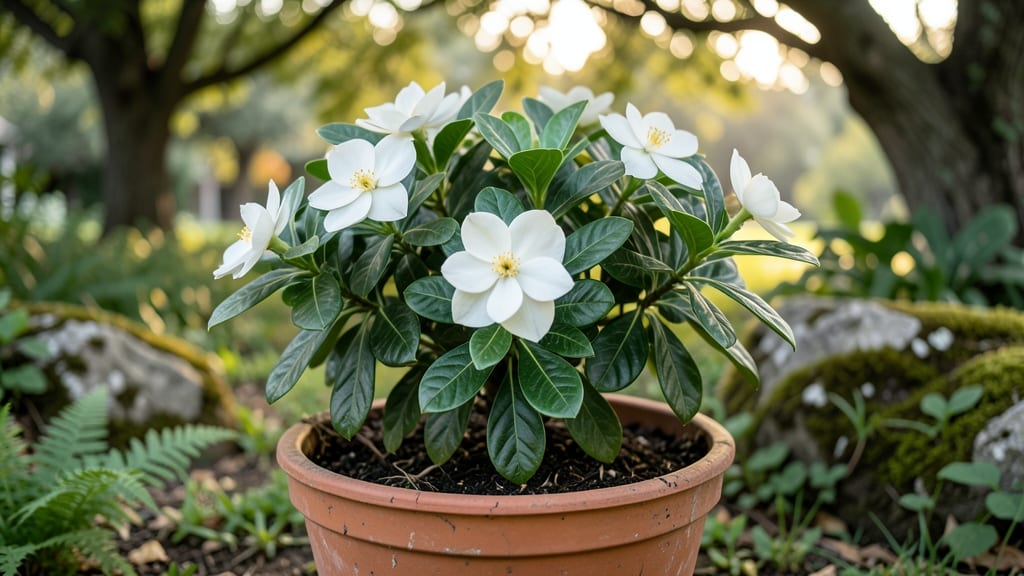
Gardenias do smell good, producing one of the most luxurious floral scents in nature—creamy, sweet, and subtly tropical with hints of citrus and vanilla that linger in the air long after blooming.
This intoxicating aroma comes from their high concentration of volatile organic compounds like linalool and geraniol, which are also found in perfumes and essential oils. 🌸 The fragrance peaks in the evening, especially for night-blooming varieties, creating a magical ambiance perfect for patios or garden evenings.
I’ve noticed that gardenias planted in full sun with well-draining soil produce the strongest scent—almost like nature’s own perfume factory!
What makes their scent so special is how it evolves: fresh blooms smell like freshly baked vanilla, while mature flowers develop a deeper, almost jasmine-like richness. This dual-layered aroma explains why gardenias are a top choice for bridal bouquets and luxury perfumes.
The key to enjoying their best fragrance? Plant them near seating areas or walkways so you can fully experience their sensory magic.
💡 In This Article
- Why Gardenia Flowers Have Such Powerful Fragrance
- Top Gardenia Varieties Ranked by Scent Strength
Why gardenia flowers have such powerful fragrance
Gardenias pack their signature scent into tiny chemical powerhouses called volatile organic compounds (VOCs), primarily linalool and geraniol. These compounds are produced in specialized cells within the flower’s petals and released when the blooms are exposed to warmth.
Linalool, found in concentrations of 0.5-2.0% of the flower’s weight, gives that creamy, sweet base, while geraniol adds the citrusy kick. 🌿 For comparison, jasmine contains similar compounds but at lower concentrations, which is why gardenias often smell more intense and complex.
The scent production ramps up dramatically in warmth and sunlight, with peak fragrance occurring between 10 AM and 6 PM during summer months.
Night-blooming varieties, like G. radicans, actually intensify their aroma after sunset because cooler evening temperatures slow down the evaporation of VOCs, allowing the scent to linger longer in the air.
This is why gardenias planted near patios or windows often create an invisible, fragrant cloud that follows you around the yard.
Here’s the science behind their legendary staying power: gardenia petals have a waxy, leathery texture that traps moisture and slows down VOC evaporation. This means their fragrance can last up to 48 hours after picking, unlike many flowers that wilt and lose their scent within hours.
The waxy layer also reflects sunlight, which helps maintain optimal temperatures for scent production—almost like a natural greenhouse effect for their aroma.
Temperature plays a critical role too. Gardenias thrive in 70-85°F conditions, and their scent weakens below 60°F or above 90°F. This is why they’re often grown in USDA zones 8-11, where the climate mimics their native tropical environments.
Even a slight dip in temperature can make their fragrance seem muted, which is why gardeners in cooler climates often use greenhouse cultivation or mulching to protect roots from temperature swings.
What most people don’t realize is that gardenias actually purposefully attract pollinators with their scent. The strong fragrance signals to moths and beetles (their primary pollinators) that nectar is available, even though gardenias don’t produce much visible nectar.
This evolutionary adaptation explains why their scent is so rich and persistent—it’s not just for human enjoyment, but for survival. The same VOCs that make them irresistible to us also guide nocturnal pollinators to their flowers.
For the best scent experience, plant gardenias in well-draining, slightly acidic soil (pH 5.5-6.5) and ensure they receive 4-6 hours of direct sunlight daily. Pruning spent blooms encourages new growth and maintains fragrance intensity. 🌸 The result? A garden that smells like a high-end spa—without the price tag.