
Planting
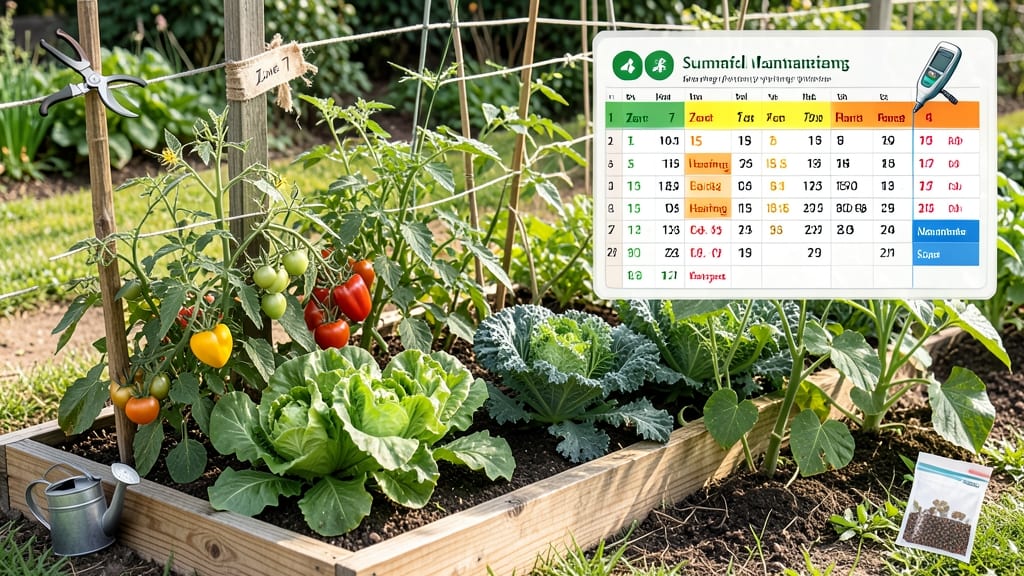
A Zone 7 gardening calendar helps you plan your planting schedule by tracking average first frost dates (mid-October) and final frost dates (mid-March), ensuring you know exactly when to sow cool-season crops, transplant warm-season plants, and enjoy seasonal blooms in this ideal temperate climate.
A Zone 7 gardening calendar isn't just about dates—it's about maximizing your growing season. 🌱 The 100-day window between frosts in this zone lets you grow everything from broccoli to basil, but timing matters.
For example, planting tomatoes too early risks frost damage, while starting them too late cuts harvest time. County variations can shift planting windows by 1-2 weeks, so checking local frost data is key.
I always adjust my schedule based on whether I'm in a cooler mountain county or a warmer valley area.
This calendar also helps you plan for succession planting—like replacing early lettuce with fall kale—so you're never without fresh produce. The key is understanding how your specific microclimate affects frost timing, since urban areas often stay warmer longer than rural spots.
For instance, Richmond, VA might have a slightly later last frost than Lexington, KY, even though they're both Zone 7.
💡 In This Article
- How Zone 7 Frost Dates Impact Planting Schedules
- County-Specific Zone 7 Planting Timelines for Vegetables and Flowers
How Zone 7 frost dates impact planting schedules
The science behind frost dates in Zone 7 revolves around temperature thresholds and plant hardiness. Frost forms when air temperatures drop to 32°F (0°C) or lower, but plants vary in their tolerance.
Cool-season crops like spinach or kale can survive 20-25°F (-6 to -4°C), while warm-season staples like tomatoes die at 35°F (2°C). The 100-day frost-free window in Zone 7 creates a delicate balance—planting too early risks frost damage, while late planting cuts harvest time.
Microclimates within Zone 7 create these variations. Urban areas with concrete and buildings often stay 3-5°F warmer than rural spots, delaying frost by 1-2 weeks. For example, Washington, DC (Zone 7b) might have its last frost by April 15, while Charlottesville, VA (Zone 7a) averages April 22.
Elevation matters too—mountain counties like Asheville, NC can experience earlier frosts than valley areas just 20 miles away.
Timing affects germination and growth cycles dramatically. Seeds need consistent soil temperatures above 50°F (10°C) to sprout—cool-season crops like peas thrive at 40-50°F (4-10°C), while warm-season tomatoes require 70°F (21°C)+.
The 14-day rule applies here: if your last frost is April 15, plant warm-season crops by May 1 to ensure a full growing season before fall frosts arrive in October.
Transplanting also follows frost-based logic. Seedlings like peppers are frost-sensitive—if a 35°F (2°C) warning appears, cover them with frost cloth. Meanwhile, cool-season crops planted in early spring benefit from frost's natural hardening process, developing stronger stems.
The 10-day rule for hardening off plants (acclimating to outdoor temps) becomes critical when transitioning from greenhouse to garden.
Harvest cycles depend on frost timing too. If you plant sweet corn 3 weeks after last frost, you'll have 80-90 days to maturity before fall frosts. The 30-day buffer before first frost ensures you can still harvest root crops like carrots or beets.
This is why Zone 7 gardeners often plant succession crops every 2-3 weeks—to maintain continuous harvests.
Consider these microclimate factors when planning:
- Urban vs. Rural: Concrete absorbs heat, delaying frost by 3-5°F
- Elevation: Every 1,000 ft gain drops temps by 3.5°F
- Water Bodies: Lakes create 5°F warmer microclimates nearby
- Wind Exposure: Frost forms faster in open areas than sheltered spots
The bottom line? Zone 7's frost dates aren't just numbers—they're the foundation of your entire growing season. Understanding these patterns lets you push boundaries, like planting heat-loving okra in early June or extending fall harvests with cold-hardy greens. 🌿