
Planting
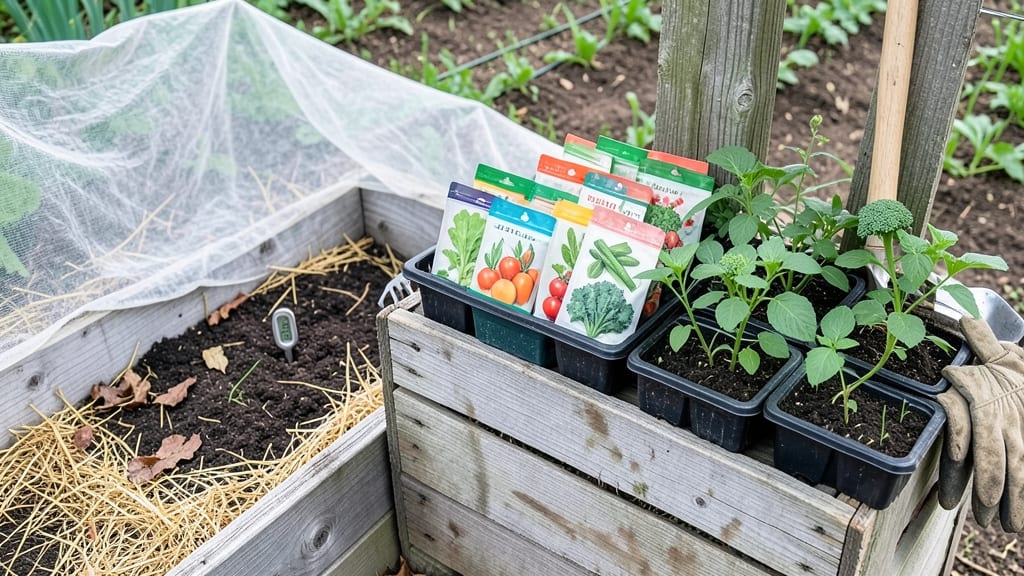
Planting a vegetable garden in Virginia at the right time means the difference between a bountiful harvest and wasted seeds 🥬.
Virginia’s mild winters and hot summers create a gardener’s paradise—but timing your vegetable planting wrong can mean wasted seeds and missed harvests. Whether you’re in the Piedmont or along the coast, getting the last frost dates right is key.
In USDA Zones 6a–8a, cool-season crops like lettuce and peas thrive when planted 4–6 weeks before the last frost, while warm-season favorites like tomatoes and peppers need soil temperatures above 60°F to take off.
Below, I break down the exact planting windows for Virginia’s most popular veggies, plus how to adjust for microclimates and late frosts—so you can start strong and harvest all season long.
Virginia’s planting calendar by vegetable type: frost dates and soil temperature rules
Virginia’s USDA Zone 7a/7b climate offers a 165-day growing season, but nailing your planting windows means the difference between a thriving garden and a sad, frost-killed seedling.
The last frost date typically falls between March 15 and April 15, while soil temperatures must reach 50°F+ for cool-season crops and 60°F+ for warm-season varieties. Let’s break down the exact timing for your favorite vegetables.
Cool-season crops like lettuce, spinach, and peas thrive in Virginia’s early spring and fall when temperatures dip below 80°F. Meanwhile, tomatoes, peppers, and basil demand warmth and should only hit the soil after the last frost—usually late April to early May.
Below, you’ll find a month-by-month guide tailored to Virginia’s unique climate, including soil temperature rules and transplant windows.
📅 Key Dates for Virginia Gardeners:
- Last Frost: March 15–April 15 (varies by microclimate)
- First Frost: October 10–20 (earlier in mountainous regions)
- Soil Temp Threshold: 50°F+ for cool crops, 60°F+ for warm crops
- Transplant Window: 2–3 weeks after last frost for heat-lovers
For cool-season crops, I recommend starting seeds indoors 4–6 weeks before your last frost date—typically late January to early March. Hardy varieties like spinach and peas can even handle light frosts, so don’t wait too long to plant them.
Use a soil thermometer to confirm temperatures are ideal before sowing; cool crops like broccoli and cabbage struggle in soil warmer than 70°F.
Warm-season vegetables, including tomatoes, peppers, and basil, need to wait until the soil reaches 60°F+—usually mid-to-late May in Virginia’s Zone 7a/7b. I always start these indoors 6–8 weeks before transplanting to give them a head start.
If you’re planting cucumbers or squash, wait until the soil is even warmer (65°F+) to avoid fungal diseases like powdery mildew.
Pro tip: Use row covers or cold frames to extend your spring planting window by 2–3 weeks. This is especially helpful for delicate seedlings like basil or eggplant, which can’t tolerate even a light frost.
In fall, focus on hardy greens like kale and spinach—they’ll sweeten up after a light frost, giving you a second harvest before winter sets in.
Don’t forget to adjust for microclimates. Urban areas like Richmond may experience heat islands, while mountainous regions (like the Blue Ridge) can have earlier frosts. If you’re unsure about your local frost dates, check the National Weather Service or use a frost calendar app for real-time updates.
With these rules, your Virginia garden will be bursting with fresh produce from spring to fall!
🌱
How to adjust your planting schedule for Virginia’s microclimates and extreme weather
Virginia’s diverse landscapes—from the coastal plains to the Blue Ridge Mountains—create unique microclimates that can shift your planting schedule by weeks. A low-lying urban garden in Richmond may bake in summer heat, while a mountain valley in Roanoke could see late spring frosts well into April.
These variations mean your neighbor’s tomato plants might thrive while yours struggle—or vice versa.
Extreme weather adds another layer of complexity. Heat waves can scorch seedlings, and unpredictable frosts (like the 2021 Easter freeze) can wipe out tender crops overnight. The key to success? Flexibility in your planting timeline and protective strategies tailored to your specific location.
Start by identifying your local frost dates and adjusting for urban heat islands or elevated mountain zones.
⚠️ callout warning ⚠️
⚠️ Late Frost Alert: Virginia’s Last Frost Dates Vary Wildly
- Coastal (Zone 8a): Last frost February 15—plant warm crops early!
- Piedmont (Zone 7b): Last frost March 1—wait until April 1 for heat-loving plants.
- Mountains (Zone 6a): Last frost April 15—use row covers for early starts. Pro Tip: Check local weather stations (like NOAA) for real-time updates—your garden’s fate depends on it!
For high-risk crops like basil and squash, precision timing is everything. Basil, for example, bolts (goes to seed) in 70°F+ soil, so wait until May 1 in most of Virginia.
Squash, meanwhile, needs consistent warmth—plant too early, and cold soil will stunt roots. Use a soil thermometer to confirm 60°F+ before sowing seeds.
Urban gardeners face a different challenge: asphalt and concrete trap heat, creating microclimates 10°F warmer than rural areas. If your garden is in a city like Norfolk, start heat-sensitive crops like cucumbers or peppers 2 weeks earlier than rural guides suggest.
Shade cloth can help, but drip irrigation in the early morning is critical to prevent heat stress.
Mountain gardeners should focus on extending the growing season with cold frames or low tunnels. In Roanoke or Blacksburg, you can start spinach or kale as early as February under protection, then transplant outdoors by March 15.
For warm-season crops, wait until May 15 to avoid late frosts that can kill young plants.
Create a personalized planting checklist based on your microclimate: ☑️ Test soil temps weekly in spring (use a soil thermometer). ☑️ Use row covers for early starts in frost-prone areas. ☑️ Adjust watering for heat islands (deep, early watering). ☑️ Monitor forecasts for frost warnings in April/May. ☑️ Plant heat-tolerant varieties (e.g., ‘Heatmaster’ tomatoes) in urban zones.
With these tweaks, you’ll turn Virginia’s unpredictable weather into a garden advantage! 🌱