
Planting
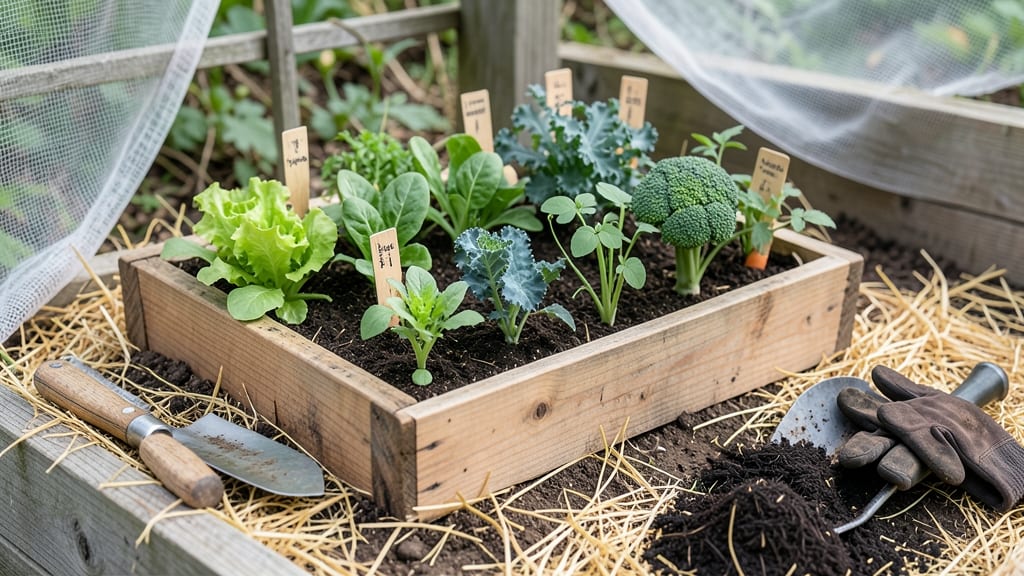
Planting a garden in Upstate NY at the right time means the difference between a bountiful harvest and wasted effort.
Upstate NY gardeners know timing is everything—plant too early and risk frost damage, too late and miss peak harvests. With USDA zones 5b-6b, your frost dates shift from mid-May to early October, so knowing when to start seeds indoors or set transplants outside is critical.
Cool-season crops like spinach and peas thrive when planted in early spring, while tomatoes and peppers need to wait until after the last frost. But here’s the catch: soil temperature matters just as much as calendar dates.
Below, I break down the best months for planting in your zone, how to adjust for unpredictable weather, and the one trick that extends your growing season by weeks.
Upstate NY frost dates by Zone: when to expect last spring and first fall frosts
Understanding Upstate NY frost dates is the foundation of successful gardening in this region. With USDA Zones 5b-6b, gardeners face a short but productive growing season, typically spanning 150-180 frost-free days.
Knowing when to expect the last spring frost and first fall frost helps you time plantings for optimal yields without risking damage.
Upstate NY’s frost dates vary significantly by zone. Zone 5b (northern areas like Plattsburgh) has the latest last frosts and earliest first frosts, while Zone 6b (southern areas like Rochester) enjoys a slightly longer growing season.
Microclimates near lakes or valleys can also shift frost dates by 1-2 weeks, so always check local records.
Here’s how frost dates impact your planting schedule:
For cool-season crops like spinach, kale, and peas, plant as soon as the soil is workable—often 4-6 weeks before the last frost. In Zone 5b, this means starting seeds indoors by March 1 or sowing directly in early April.
In warmer Zone 6b, you can plant directly as early as late February under row covers.
Warm-season crops like tomatoes, peppers, and cucumbers need soil temperatures above 50°F and should only go outdoors after the last frost. In Zone 5b, wait until May 20, while Zone 6b gardeners can plant by May 1. Use black plastic mulch to warm the soil faster if needed.
Fall planting requires even more precision. Start cool-season crops like broccoli and carrots 6-8 weeks before the first frost. In Zone 5b, this means sowing by September 1, while Zone 6b allows until September 15.
For overwintering crops like garlic or hardy greens, plant by October 15 to avoid frost damage.
Late frosts and early freezes are common in Upstate NY. To protect tender plants, keep row covers or cold frames handy. For example, if a late May frost threatens, cover seedlings with floating row covers until temperatures rise.
Similarly, extend the fall season with low tunnels to delay the first frost’s impact on crops like Brussels sprouts.
Historical data shows that Upstate NY’s frost dates have shifted slightly earlier in recent years due to climate change. For example, the last spring frost in Rochester now averages April 28 instead of May 5.
Adjust your planting schedule accordingly, but always verify with local weather stations like those at Cornell University or NOAA.
Pro tip: Use heat mats or seedling trays to jumpstart warm-season plants in early spring. This gives you a 2-3 week head start before the last frost, ensuring stronger seedlings ready for transplanting.
By mastering these frost dates, you’ll align your planting schedule with Upstate NY’s climate, maximizing yields and minimizing risks. Happy gardening! 🌱
Best planting months for vegetables, flowers, and herbs in Upstate NY
Upstate NY’s diverse microclimates mean your planting schedule should align with your specific USDA Zone (5b-6b). Whether you're growing cool-season crops like spinach or warm-season favorites like tomatoes, timing is everything.
I’ve broken down the best months for planting based on soil temperatures and regional variations—from the cooler Adirondacks to the warmer Finger Lakes area.
For cool-season vegetables and hardy flowers, early spring and late summer are your windows. Meanwhile, warm-season crops like peppers and basil thrive when soil temperatures hit 60°F (15°C) or warmer.
Don’t worry if you’re unsure about your exact zone—most Upstate NY gardeners fall into zones 5b or 6a, so these guidelines will work for you.
- 1 March-April (Cool-Season Plants): Start peas, spinach, and lettuce indoors or under row covers. Soil temps should be 40-50°F (4-10°C). Perennial herbs like thyme and oregano can also be planted in early spring.
- 2 May (Warm-Season Starts): Wait until after the last frost date (mid-May) to plant tomatoes, peppers, and cucumbers. Soil should be at least 60°F (15°C). Annual flowers like marigolds and zinnias also thrive in May.
- 3 June-July (Peak Planting): Sow beans, corn, and basil when soil is warm. This is also ideal for transplanting perennials like lavender and rosemary. Succession plant lettuce and radishes for continuous harvests.
- 4 August (Fall Prep): Plant cool-season crops like kale and carrots for a fall harvest. Avoid planting warm-season crops after mid-August, as they won’t mature before frost. Bulbs like tulips can also be planted in late summer.
- 5 September-October (Late Fall): Focus on garlic, onions, and hardy perennials. Plant 6-8 weeks before first frost (mid-October) for a spring harvest. Cover crops like clover can also be sown to protect soil.
Upstate NY’s microclimates can shift planting windows by 1-2 weeks. For example, the Finger Lakes region may have 2-3 weeks earlier last frost dates than the Adirondacks. Always check your local Cooperative Extension Service for updates, especially in years with unpredictable weather.
Pro tip: Use soil thermometers to confirm temperatures before planting warm-season crops. If your soil is still cool in May, opt for cool-season alternatives like broccoli or cabbage. These plants thrive in 50-60°F (10-15°C) soil, making them perfect for early or late seasons.
Don’t forget about herbs! Many, like parsley and cilantro, prefer cooler temperatures and can be planted in early spring or late summer. Meanwhile, basil and dill love the heat and should be planted in late May or June when soil is consistently warm.
With these month-by-month guidelines, you’ll maximize your Upstate NY garden’s potential, whether you’re growing vegetables, flowers, or herbs. Happy planting! 🌱