
Planting
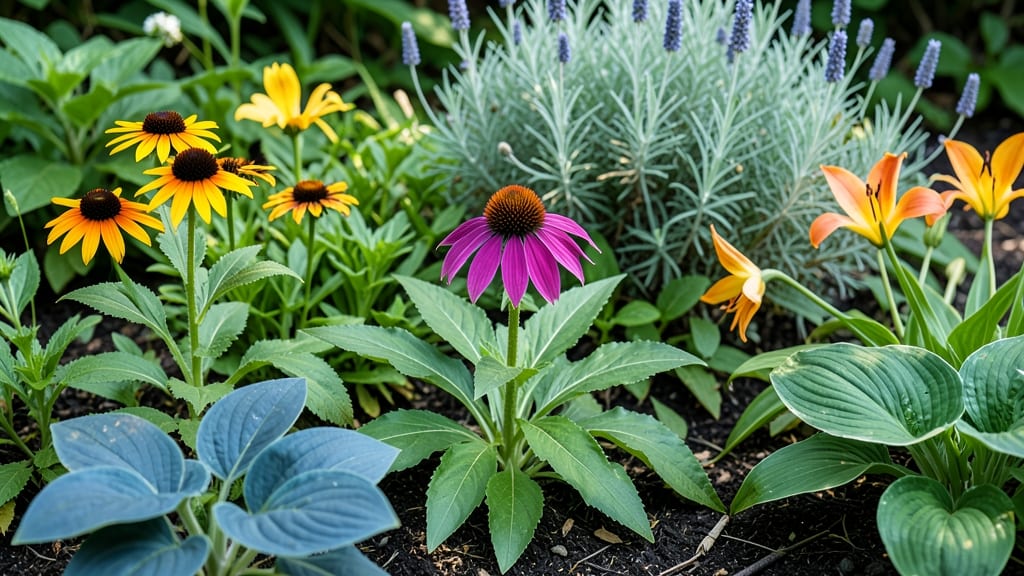
Zone 5B gardening requires selecting cold-resistant plants that survive average minimum temperatures of 15°F to 20°F, while using frost protection techniques to safeguard tender crops during unpredictable late-spring or early-fall freezes.
In Zone 5B, the key to success lies in understanding your last frost date—typically around May 15—and planning accordingly. 🌱 Microclimates near buildings or slopes can push this window earlier by 1-2 weeks, while low-lying areas may delay it.
I always check my local weather service for 10-year averages to adjust planting times, since a single late frost can wipe out young seedlings. Layered mulch (straw + leaves) adds 5-10°F of protection, while row covers create mini-greenhouses for delicate plants.
For plant selection, focus on perennials like coneflowers and vegetables such as kale, which handle cold snaps better than annuals. Succession planting—sowing lettuce every 2 weeks—maximizes harvests before the first frost (October 15 in most areas).
My go-to strategy? Start cold-hardy crops early, use cold frames for late-season greens, and keep a frost watch app handy to react fast.
💡 In This Article
- Understanding Zone 5B’s Frost Dates and Microclimate Variations
- Best Cold-Hardy Plants and Season-Extension Strategies for Zone 5B
Understanding zone 5B’s frost dates and microclimate variations
Frost dates in Zone 5B aren't just arbitrary numbers—they're based on 30-year averages of the last spring frost (May 15 on average) and first fall frost (October 15). These dates determine your planting window, which typically spans just 150-160 days between frosts.
The USDA calculates these averages using 1981-2010 climate data, but local variations can shift your actual dates by 1-3 weeks. For example, a garden in Chicago's urban heat island might see its last frost 5-7 days earlier than rural areas 20 miles away.
Microclimates create these local differences through heat retention and airflow patterns. South-facing slopes warm 2-5°F faster than flat ground, while water bodies (lakes, ponds) can delay frost formation by 1-2 weeks due to their heat-retaining properties. Even a 6-inch difference in elevation can mean 1°F warmer minimum temperatures.
Urban areas with pavement and buildings trap heat, creating "heat islands" that push frost dates back by 3-10 days compared to open countryside. I always test my microclimate by planting cold-sensitive basil in different spots—if it survives overnight temps of 32°F, I know that area warms faster.
Adjusting your planting schedule requires understanding these variations. For spring planting, use the 10-year average (more current than USDA data) and add 2 weeks of buffer for safety. For fall crops, subtract 1 week from the average first frost date when planning succession plantings.
My rule of thumb: If your local weather service predicts a 28°F night, cover tender plants with row covers or move them to a cold frame. These adjustments can extend your growing season by 3-4 weeks at both ends.
Technology helps too. Apps like Frost Date Calculator (from the National Weather Service) let you input your exact location and elevation for precise frost predictions. For Zone 5B gardeners, I recommend checking these weekly from April 15 through May 30 and again from September 15 through October 15.
The National Oceanic and Atmospheric Administration (NOAA) also provides frost probability maps that show the 10%, 50%, and 90% chance of frost on any given date—critical for planning heat-loving crops like tomatoes.
What most gardeners overlook is how soil temperature lags behind air temperature. Even when air hits 50°F, soil may still be 40°F, slowing seed germination. I use a soil thermometer to confirm when it reaches 55°F (optimal for most vegetables) before planting warm-season crops.
This simple tool has saved me from planting too early and losing seedlings to 35°F nights. The same principle applies in fall—wait until soil cools to 50°F before harvesting root vegetables like carrots.
Here's a quick checklist for Zone 5B gardeners:
- Spring prep: Test soil temperature weekly from April 1—plant when it hits 55°F for warm crops
- Frost watch: Sign up for local NWS alerts for 32°F warnings
- Microclimate mapping: Note where frost forms first in your yard (usually low spots)
- Fall planning: Use the 50% frost probability date to schedule last plantings
- Urban advantage: If you're in a heat island, push planting dates 5-7 days earlier
The bottom line? Zone 5B gardening succeeds when you work with your local climate—not against it. By understanding these frost patterns and microclimate quirks, you can turn your garden's challenges into advantages. 💫