
Planting
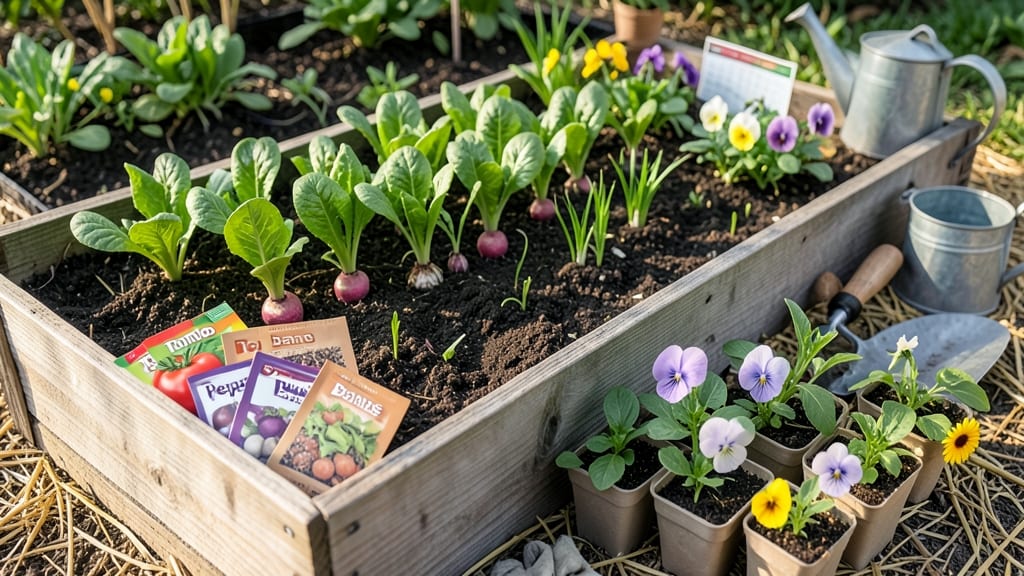
Planting a garden in Tennessee at the right time means the difference between a bountiful harvest and a frost-nipped disappointment.
Tennessee’s diverse climate—from humid subtropical to highland regions—means your garden’s success hinges on timing. Plant too early, and frost will wipe out your efforts; too late, and you’ll miss peak harvests.
With USDA zones 6a-7b and frost dates that shift from late March to mid-November, knowing when to start seeds, transplant seedlings, and sow warm-season crops is the key to a thriving 🌱 General Garden.
Below, I break down the exact planting windows by crop type, microclimate, and frost triggers—so you can align your schedule with Tennessee’s unpredictable weather and get the most out of your growing season.
Tennessee frost dates by Zone: the critical timeline for planting
Tennessee spans USDA hardiness zones 6a through 7b, creating distinct planting windows across the state. The average last frost date shifts from mid-March in Zone 7b to late April in Zone 6a, while the first frost arrives between mid-November and early November.
Understanding these dates helps you time cool-season crops like broccoli and warm-season crops like tomatoes perfectly for maximum yields.
For cool-season crops, such as lettuce, spinach, and kale, you can start seeds indoors 6-8 weeks before your last frost date. Transplant seedlings outdoors 2-3 weeks before to give them time to establish roots before warmer temperatures arrive.
In Zone 6a, this means planting outdoors by mid-April, while Zone 7b gardeners can start as early as late February.
Warm-season crops like tomatoes, peppers, and cucumbers require soil temperatures above 60°F and should only be planted after your last frost date. In Tennessee, this typically means mid-April to early May for most regions.
Using row covers or cold frames can extend your planting window by 2-4 weeks for heat-loving plants in cooler microclimates.
First frost dates also dictate when to harvest or protect late-season crops. In Zone 6a, expect frost by mid-November, while Zone 7b areas may see frost as late as early December. Plant fall crops like carrots and radishes by mid-August to ensure they mature before winter sets in.
| Zone | Avg. Last Frost | Avg. First Frost | Cool-Season Planting Window | Warm-Season Planting Window |
|---|---|---|---|---|
| 6a (Northeast TN, Smokies) | April 15 | November 15 | March 15 - April 15 | May 1 - May 15 |
| 6b (Middle TN) | April 1 | November 1 | March 1 - April 1 | April 20 - May 1 |
| 7a (West TN, Memphis) | March 20 | November 10 | February 15 - March 15 | April 1 - April 15 |
| 7b (Far West TN) | March 15 | November 5 | February 1 - March 1 | March 25 - April 1 |
In Zone 6a, where frost lingers longer, focus on hardy cool-season crops like Brussels sprouts and cabbage, which tolerate light frosts. Meanwhile, Zone 7b gardeners can experiment with longer growing seasons for crops like sweet potatoes and okra, which thrive in warmer conditions.
For fall planting, start seeds indoors by mid-July to ensure transplants are ready by late August. Fast-maturing crops like radishes and turnips can be direct-sown until mid-September, while slower growers like broccoli and cauliflower need to be planted by mid-August to mature before frost.
Use a garden thermometer to monitor soil temperatures—warm-season crops won’t germinate below 60°F, while cool-season crops
Best planting months for Tennessee crops: a crop-specific guide
Tennessee’s planting calendar isn’t one-size-fits-all—it’s a delicate dance between soil temperatures, frost dates, and crop heat tolerance. In Zone 6a-7b, your last frost typically arrives between mid-March and early April, while the first frost hits around mid-November.
This means cool-season crops like spinach and kale thrive in early spring and fall, while tomatoes and peppers need the warmth of summer. Let’s break it down by month for 10 essential crops to maximize your harvest.
Timing is everything in Tennessee gardening. For example, beans and squash bolt if planted too early, while carrots and radishes can rot in hot soil. The key is to align your planting with soil warmth—aim for 60°F+ for warm-season crops and 50°F+ for cool-season varieties.
Use a soil thermometer to check, especially in highland regions like the Smokies, where soil warms slower.
- 1 March-April (Cool-Season Crops): Plant lettuce, spinach, broccoli, and peas as soon as soil is workable. Onion sets and potatoes go in early March.
- 2 May (Warm-Season Starts): After last frost, sow beans, cucumbers, and squash. Transplant tomatoes and peppers when soil hits 65°F+.
- 3 June (Peak Warm-Season): Direct-sow corn, okra, and sweet potatoes. Succession plant beans every 2 weeks for continuous harvests.
- 4 July-August (Late Warm-Season): Plant fall broccoli and kale for late harvests. Avoid planting heat-sensitive crops like cucumbers after July.
- 5 September (Fall Cool-Season): Sow radishes, turnips, and carrots for a winter harvest. Transplant cabbage and brussels sprouts for late fall.
- 6 October (Late Fall Prep): Plant garlic and onion sets for next year. Cover winter greens with row covers to extend harvests.
- 7 Pro Tip: Use succession planting for bush beans and lettuce every 2 weeks to avoid gluts. In Zone 7b, you can even plant spinach in late summer for a winter harvest.
Don’t overlook herbs like basil and cilantro, which thrive in May-June but bolt in summer’s heat. For perennials, divide asparagus crowns in early spring or fall, while strawberries produce best when planted in early spring.
Always check local frost dates—they can vary by 2-3 weeks between East TN and West TN.
For container gardening, start warm-season crops indoors in March to transplant after last frost. Peppers and eggplants need 10-12 weeks of warmth, so begin them early. In highland areas, wait until mid-May for tomatoes to avoid late spring frosts. Always harden off seedlings gradually to prevent shock.
Extend your season with row covers or cold frames to plant cool-season crops like kale as early as February or as late as October. Just remember: soil temperature matters more