
Planting
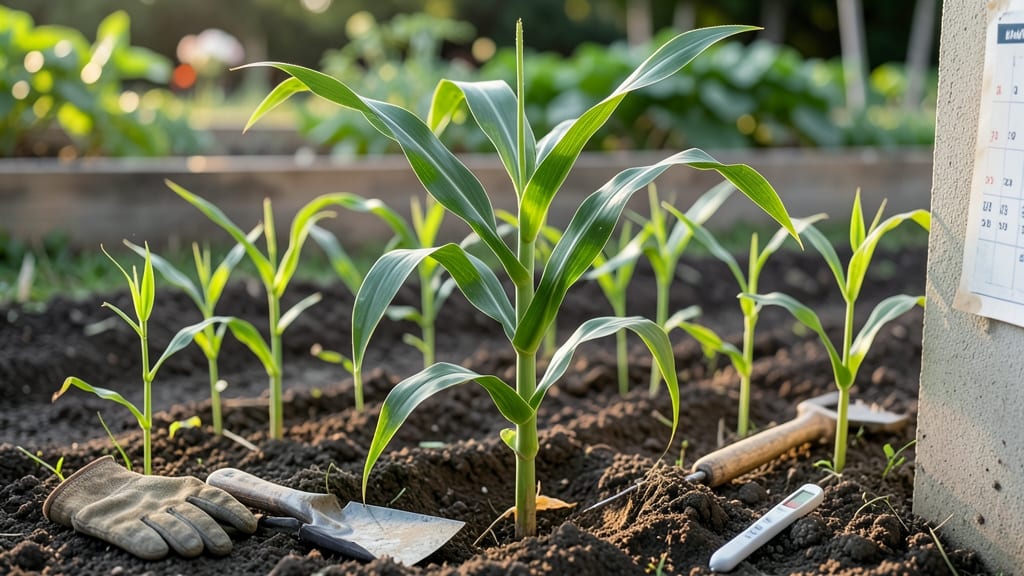
Planting a garden in Iowa at the right time means the difference between a bountiful harvest and a sad pile of frost-bitten seedlings.
Iowa’s unpredictable frost dates can make or break your garden—plant too early and risk frost damage, too late and miss peak harvests. Mastering the perfect timing ensures a thriving garden, whether you’re growing corn, tomatoes, or flowers.
With USDA zones ranging from 4a to 5b, Iowa’s frost patterns shift dramatically from north to south. Cool-season crops like spinach and peas need to hit the soil weeks before warm-season favorites like tomatoes and peppers dare to emerge.
In this guide, I’ll break down the exact frost-date windows for your zone, share proven tricks to extend your growing season, and help you avoid the most common planting mistakes Iowa gardeners make every year.
Iowa’s frost dates by hardiness zone: when to plant cool vs warm season crops
Iowa spans USDA hardiness zones 4a through 5b, meaning frost dates vary dramatically from north to south. Understanding these average last spring frost dates and first fall frost dates is critical for timing your cool-season vs warm-season crops correctly.
In northern Iowa (zone 4a), you might face a last frost as late as May 20, while southern Iowa (zone 5b) can safely plant by April 20—a difference of nearly a month!
Cool-season crops like spinach, peas, and lettuce thrive when soil temperatures stay below 75°F, while warm-season favorites like tomatoes, peppers, and cucumbers need soil above 60°F to germinate. Planting too early risks frost damage, while waiting too long shortens harvest windows.
Let’s break down the zone-specific frost dates and ideal planting windows to maximize your garden’s potential.
Pro Tip: Use a frost-date calculator (like the one from the Iowa State University Extension) to adjust for your specific location. Microclimates—like urban heat islands or sheltered valleys—can shift frost dates by 1-2 weeks.
In zone 4a, where frosts linger into May, I recommend starting cool-season crops indoors by early March. Harden off seedlings and transplant them 2 weeks before your average last frost to avoid shock.
For example, if your last frost is May 15, aim to plant spinach or peas by May 1.
Warm-season crops in zone 4a need patience—wait until soil temperatures reach 60°F, typically late May. Use row covers to extend the season if you’re eager to plant earlier.
In zone 5b, you can start tomatoes and peppers indoors by March 15 and transplant them by early May, giving them a longer growing season before fall frosts arrive.
For peppers and eggplants, which are especially sensitive to cold, I suggest waiting until after Memorial Day in northern Iowa. These plants thrive with consistent warmth, and early planting can stunt growth or invite disease.
In southern Iowa, you can push the envelope slightly—planting by Mother’s Day—but always monitor weekly forecasts for late frosts.
One of my favorite cool-season crops is kale, which not only tolerates light frosts but tastes sweeter after exposure to cold. In zone 5b, I plant kale in early April and again in late July for a fall harvest.
The key is to succession plant every 2 weeks to ensure a steady supply. In colder zones, stick to one early planting in March and a late summer sowing.
Don’t forget about herbs like cilantro and parsley, which bolt (go to seed) in hot summer weather. Plant them in early spring and late summer to avoid this issue. In zone 4a, I often grow cilantro under shade cloth during July to keep it cool and productive.
Fall planting is just as critical as spring. In zone 5b, you can still sow spinach and radishes by August 15 for a harvest before the first frost. Use row covers to protect tender crops like lettuce until early October.
In northern zones, limit fall plantings to hardy crops like carrots and beets sown by July 15.
To stay on track, I mark my garden calendar with these key dates:
- March 15–April 15: Start cool-season seeds indoors (zone 4a–5b).
- April 20–May 10: Transplant cool-season crops outdoors (adjust for zone).
- May 1
How to use a frost-date calculator for Iowa’s unpredictable weather patterns
Iowa’s frost dates can shift dramatically year to year, making it tricky to pin down the perfect planting window. A frost-date calculator helps you adjust for these fluctuations by analyzing 10-year trends and local microclimates.
Whether you’re in northern Iowa’s Zone 4a or southern Iowa’s Zone 5b, these tools account for urban heat islands and rural temperature drops, giving you precise planting dates.
Start by checking the National Weather Service’s Frost Calculator or your local Iowa State University Extension office for historical frost data. These resources provide average last frost dates (typically April 15–May 1 in most zones) and first frost dates (usually October 15–November 1).
However, I always recommend adding a 2–3 week buffer for safety, especially for warm-season crops like tomatoes and peppers.
Enter your zip code or nearest city into the calculator. Urban areas like Des Moines or Cedar Rapids often experience 2–4°F warmer microclimates than rural zones, delaying frost dates by 1–2 weeks.
Warm-season plants need soil temps of 60°F+. Use a soil thermometer to confirm readiness—calculators often estimate surface temps, not deeper soil warmth.
Cool-season crops (e.g., spinach, peas) tolerate light frosts (28°F), while tomatoes and peppers need 50°F+ soil. Input your plant’s cold tolerance into the calculator for tailored dates.
Iowa’s frost dates have shifted 1–2 weeks earlier in spring due to climate change. Calculators often highlight earliest safe dates based on recent data, not outdated averages.
If the calculator suggests planting 2 weeks early, use floating row covers to protect seedlings. This extends your window for warm-season crops by 3–4 weeks in early spring.
Don’t rely solely on the calculator—cross-check with your local extension office for real-time updates. For example, in 2023, northern Iowa saw a late frost on May 10, while southern Iowa escaped unscathed.
By combining the calculator with on-the-ground observations, you’ll avoid costly mistakes like frost-killed seedlings or bolting greens.
Pro tip: Bookmark the Midwest Regional Climate Center’s Frost Freeze Tool for Iowa-specific alerts. This resource updates daily and includes probability maps showing your chances of frost on any given date.
For high-value crops like corn or pumpkins, I always plant 2 weeks after the calculator’s “safe date” to guarantee success.
Remember, Iowa’s microclimates can vary even within a 10-mile radius. A south-facing slope warms up faster than a low-lying valley, so adjust your dates accordingly. With the right tools and a little flexibility, you’ll turn Iowa’s unpredictable weather into an advantage for a bountiful harvest.