
Planting
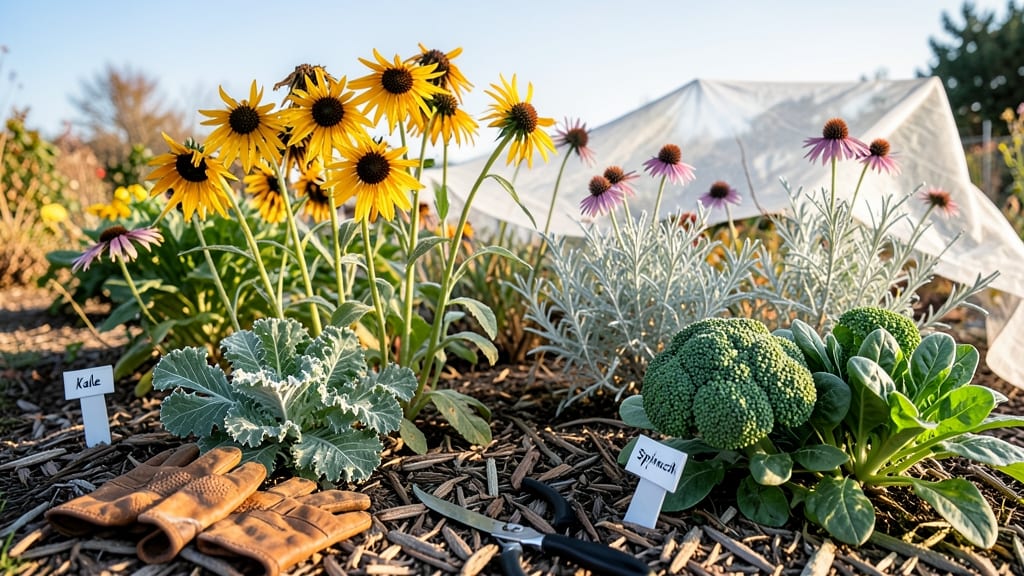
For Zone 4B gardening, timing is everything: plant cold-hardy perennials in early spring (April–May), wait until after the last frost (mid-May) for tender annuals, and delay frost-sensitive crops like tomatoes until late May or June. Mulching and cold-resistant varieties help maximize your growing season.
Zone 4B's unpredictable frost patterns mean your planting success hinges on knowing your local microclimate. 🌱 Many gardeners here swear by the "5-10-15 rule"—plant when soil reaches 50°F, nighttime lows stay above 10°F for 5+ days, and no frost is forecast for 15+ days.
I've found that adding 3-4 inches of straw mulch around plants can push back frost damage by 2-3 weeks, while row covers create mini-greenhouses that protect seedlings during late spring cold snaps.
Don't overlook the power of cold-hardy varieties like kale, broccoli, and Swiss chard—these thrive when other crops would fail. For frost-sensitive plants, I recommend using black plastic mulch in early spring to warm soil faster, combined with cloche covers for delicate seedlings.
The key is balancing patience with action—waiting too long risks early frosts, but planting too soon can stunt growth.
💡 In This Article
- Understanding Zone 4B Frost Dates and Plant Hardiness
- Best Cold-Resistant Plants and Frost-Protection Hacks
Understanding Zone 4B frost dates and plant hardiness
Zone 4B's frost patterns are governed by a delicate balance of atmospheric conditions and geography. The USDA defines this zone by its average annual minimum temperature of -25°F to -30°F, but frost timing varies dramatically.
In most Zone 4B regions, the last spring frost typically occurs between May 10-20, while the first fall frost arrives around September 20-30. However, these dates can shift by 2-3 weeks depending on local topography—valleys often experience later frosts than hilltops due to cold air settling.
The science behind frost timing involves several factors. Cold air masses from Canada push southward in spring, while warm air from the Gulf of Mexico creates a battleground.
When these air masses clash, they create the unpredictable frost windows that challenge Zone 4B gardeners. 🌡️ Soil temperature is equally critical—most cold-hardy plants need soil to reach 45-50°F before planting, while tender crops require 60°F+ soil.
I've noticed that using a soil thermometer at 4-inch depth gives more accurate readings than air temperature alone.
Plant hardiness is determined by the USDA's cold hardiness ratings, which range from Zone 1 (extreme cold) to Zone 13 (tropical). For Zone 4B, look for plants rated Zone 3-5 for spring planting.
Hardy perennials like peony (Zone 3) and Russian sage (Zone 3) thrive with minimal protection, while vegetables like spinach (Zone 2) and kale (Zone 1) can handle early spring planting.
The key is matching plant resilience to your microclimate—some gardeners in northern Zone 4B can plant 2 weeks earlier than those in southern areas.
Microclimates create dramatic variations even within small areas.
A south-facing wall can be 5-10°F warmer than open ground, while low-lying areas may experience 10°F colder temperatures. 🌿 To determine your specific frost dates, check local weather records for the last 10 years—modern climate shifts are making traditional averages less reliable.
Many gardeners use the 3-year average of frost dates as a safer guideline than single-year data.
Understanding frost probabilities involves more than dates—it's about patterns. The National Oceanic and Atmospheric Administration (NOAA) provides frost probability maps that show 10%, 50%, and 90% chances of frost on specific dates.
Waiting until the 50% frost probability window (typically 2 weeks after the average last frost date) gives a good balance between risk and reward.
For example, planting tomatoes on May 25 in northern Zone 4B carries a 30% frost risk, while waiting until June 5 drops that risk to 10%.
Hardiness isn't just about cold tolerance—it's about recovery speed. Some plants like bush beans (Zone 5) can handle light frosts but grow poorly in cold soil, while others like Swiss chard (Zone 2) actually sweeten after frost.
This dual consideration of cold tolerance and growth requirements explains why some gardeners plant frost-tolerant crops 2-3 weeks before the last frost date, while waiting longer for heat-loving plants.