
Planting
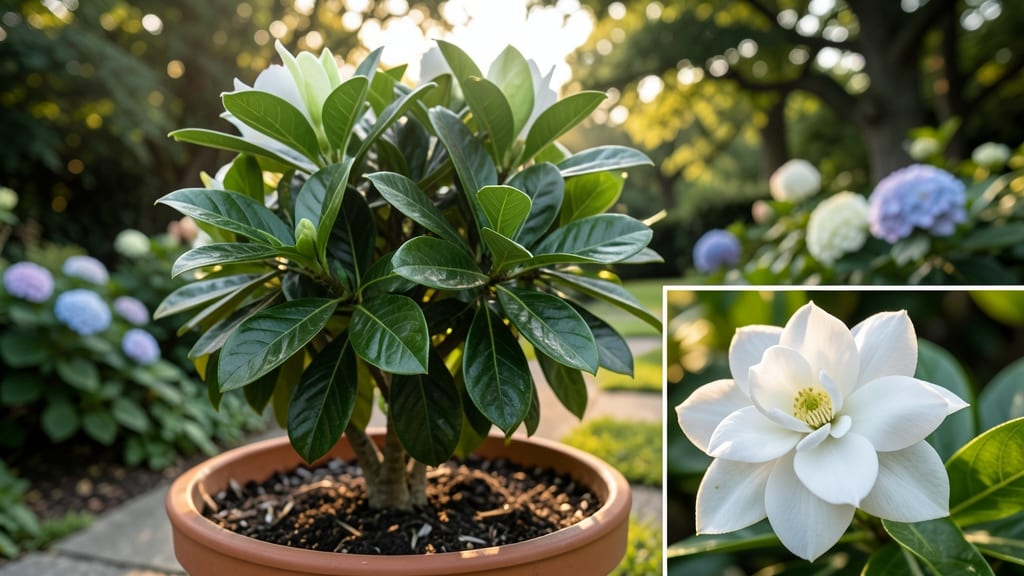
Gardening gardenias in Zone 5 means choosing frost-resistant types like 'Kleim’s Hardy' or 'Radicans,' insulating roots with mulch and frost cloth, and pruning back stems in late fall to prevent winter damage. Avoid fertilizing after summer to help plants harden off for cold.
Zone 5's chilly winters can be brutal for tropical gardenias, but the right preparation makes all the difference. 🌿 These cold-hardy varieties have thicker leaves and deeper root systems that store more energy for survival.
The key is protecting them from both freezing temperatures and drying winds—think of it like dressing your plants for winter hibernation. I've found that combining mulch with breathable frost cloth creates a microclimate that keeps roots just above freezing, while late-fall pruning removes vulnerable growth before the first frost hits.
What's interesting is how timing matters: fertilizing too late in the season can actually encourage new growth that won't survive winter. Instead, focus on giving your gardenias a strong start in spring and early summer so they build up reserves.
With these steps, you can enjoy those signature white blooms year after year, even in colder climates.
💡 In This Article
- Cold-Hardy Gardenia Varieties for Zone 5 Climates
- Step-by-Step Winter Protection Guide for Zone 5 Gardenias
Cold-hardy gardenia varieties for Zone 5 climates
Zone 5's frigid winters (typically -20°F to -10°F) challenge gardenias, but specific varieties have evolved natural defenses. The most resilient types, like 'Kleim’s Hardy' and 'Radicans,' boast thicker, waxy leaves that reduce water loss and deeper root systems storing energy for survival.
Their genetic makeup allows them to tolerate brief exposures to 10-15°F without permanent damage, unlike tropical varieties that die at 32°F. 🌱 These cold-hardy cultivars also produce smaller, more compact blooms—though just as fragrant—as an adaptation to conserve resources during harsh winters.
The key difference lies in their leaf structure: cold-hardy gardenias have 1.5-2 times thicker cuticles than tropical varieties, acting like a natural frost shield. Their roots extend deeper (up to 3 feet vs. 1 foot in tropical types), accessing moisture and nutrients even when surface soil freezes.
For example, 'Radicans' can survive 20°F with proper protection, while 'Kleim’s Hardy' thrives in 15°F conditions—a 15°F difference that makes all the difference in Zone 5's unpredictable winters.
When selecting plants, look for labels specifying "cold-hardy" or "Zone 5 tolerant"—these indicate varieties bred for resilience. Nurseries often carry 'Kleim’s Hardy' (with its 3-inch-wide glossy leaves) or 'Radicans' (known for its 2-foot-tall compact growth).
Avoid traditional gardenias like 'Cape Jasmine' or 'Veitchii,' which lack these adaptations and typically require year-round greenhouse conditions in colder zones. 🌿 The right variety means the difference between a plant that survives and one that thrives despite winter's challenges.
Another critical factor is flower timing: cold-hardy varieties bloom slightly later in spring (around late May to June in Zone 5) to avoid late frosts. Their blooms also last 2-3 weeks longer than tropical types, giving you more time to enjoy their intoxicating jasmine-like fragrance.
This delayed bloom schedule aligns perfectly with Zone 5's warming trends, ensuring you get those signature white, trumpet-shaped flowers without the risk of frost damage.
For visual identification, cold-hardy gardenias typically have darker green, leathery leaves (almost olive-colored) compared to the lighter, softer leaves of tropical varieties. Their stems also appear thicker and more woody—an adaptation that helps them withstand wind and ice buildup.
When shopping, run your fingers along the leaves: resilient varieties should feel slightly rough (like a magnolia leaf) rather than smooth and delicate.
What most gardeners don't realize is how these varieties' root systems work: they develop a secondary root network below the frost line, allowing them to "bounce back" from winter stress.
This biological trick means even if above-ground parts look damaged in spring, new growth often emerges from these protected roots within 3-4 weeks of thawing. 🌟 This built-in resilience makes cold-hardy gardenias the smart choice for Zone 5 enthusiasts.