
Tools
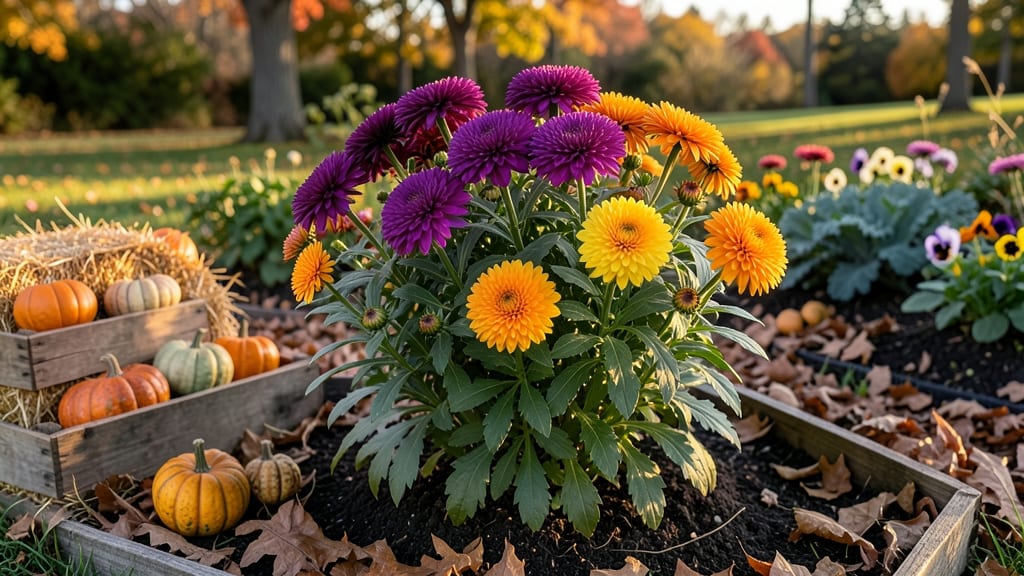
For successful fall gardening in Zone 8a, planting must wrap up by mid-October to prevent frost damage, though timing depends on plant type—hardy greens like kale survive light frosts, while tender herbs like basil need harvesting by late September. Always verify local frost dates for precise scheduling.
Your Zone 8a fall garden's success hinges on understanding frost patterns—most years, the first frost arrives between October 15-30, but microclimates can shift this by weeks. 🌱 Cool-season crops like spinach and radishes actually thrive with light frost, while delicate plants need protection or removal before temperatures dip below 32°F.
I recommend checking your county's USDA Plant Hardiness Zone map and adding 2-3 weeks to the "last frost" date for safe planting windows.
To extend your growing season, try these pro tips: use row covers or mulch to insulate soil, plant frost-tolerant varieties like broccoli raab or turnips, and always water deeply before expected frosts.
The key is balancing plant resilience with your local climate—what works in coastal Zone 8a may fail inland.
💡 In This Article
- How Zone 8a Frost Dates Impact Fall Planting Success
- Best Late-Season Plants for Zone 8a Gardens
How Zone 8a frost dates impact fall planting success
The average first frost in Zone 8a typically arrives between October 15-30, but this can vary dramatically—coastal areas may experience frost weeks later than inland regions due to the ocean's heat retention.
Frost forms when temperatures drop below 32°F, causing ice crystals to form in plant cells and disrupting their structure. Delicate plants like basil and tomatoes have thin cell walls that rupture easily, while hardy greens like kale develop protective sugars that prevent cell damage.
Here's how frost timing affects your garden: most seeds need 4-6 weeks to mature after planting, so if your first frost is October 20, you'd plant by September 1-15. Microclimates—like south-facing slopes or urban heat islands—can delay frost by 10-14 days.
I've seen gardens in Sacramento's urban core stay frost-free until November 5, while nearby orchards experience frost by October 10. Always check your USDA Plant Hardiness Zone map and add 2-3 weeks to the "last frost" date for safe planting.
Plant resilience varies wildly by species. Leafy greens like spinach and arugula actually sweeten when exposed to light frost (a process called "winterization"), while root vegetables like carrots and beets can survive 20-25°F temperatures.
Herbs like cilantro and dill bolt when days shorten, so they must be planted by mid-September for harvest before first frost. The key is matching plant hardiness ratings with your local frost window—what thrives in Zone 7a may fail in Zone 8a's slightly warmer winters.
Historical frost data reveals patterns that help you plan. The National Weather Service tracks 30-year averages, but I recommend checking your county's Almanac frost dates for local precision.
For example, in Los Angeles (Zone 10a), frost is rare before December, while inland areas like Lancaster (Zone 7b) may frost by October 1. Always plant fast-maturing varieties (like 45-day radishes) and have a row cover ready to extend your season by 2-4 weeks.
Soil temperature matters just as much as air temperature. Most cool-season crops need soil at 50-60°F to germinate, while warm-season plants like beans won't sprout below 60°F.
I've found that planting in warmer microclimates (like near black mulch or south-facing walls) can give you an extra 10-14 days of growing time. Always test soil temperature with a thermometer—it's the best predictor of planting success.
What most gardeners miss is how mulching affects frost timing. A 4-inch layer of straw can keep soil 5-10°F warmer than bare ground, extending the season by 2-3 weeks.
I've used black plastic mulch to grow tomatoes until November in Zone 8a—it traps heat during the day and releases it at night. The science behind this is simple: dark surfaces absorb 90% of sunlight while light surfaces reflect 80%, creating a warmer microclimate around plants.
For precise timing, I recommend setting up a frost alert system using your local weather service or a frost watch app. These tools provide 5-day forecasts with frost probability percentages.
When planning, subtract 2 weeks from your frost date for most vegetables, and 4 weeks for slower-growing plants like broccoli. This buffer accounts for unexpected cold snaps and gives your plants time to establish roots before winter sets in. 🌿