
Tools
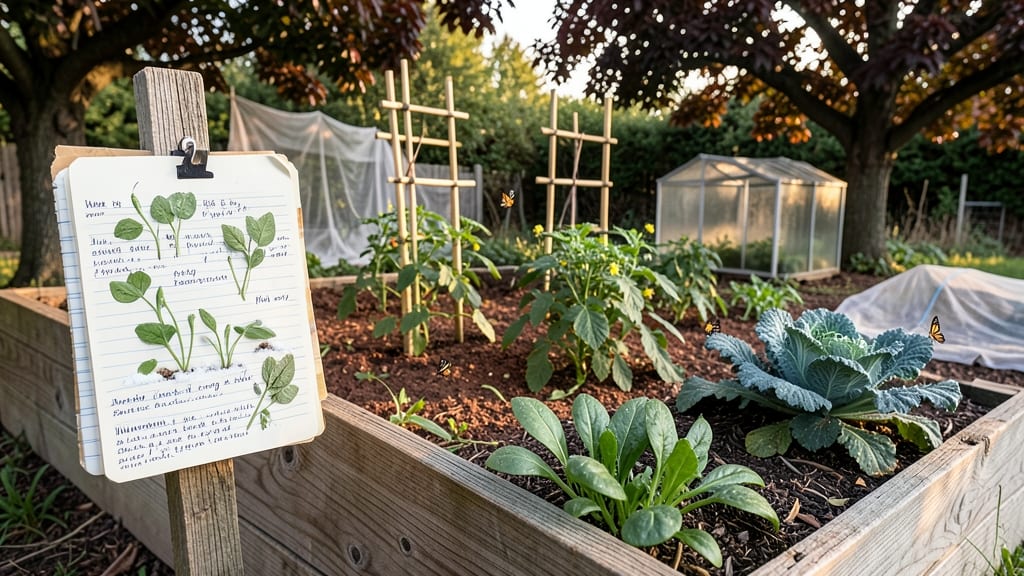
A Wisconsin gardening calendar helps you plan planting by tracking frost dates—typically mid-April for southern areas (like Milwaukee) and late May for northern regions (like Duluth)—so you can time warm-season crops (tomatoes, peppers) and cool-season starts (spinach, lettuce) precisely. Always account for local microclimates and soil warmth.
A Wisconsin gardening calendar isn't just about dates—it's about understanding your region's unique growing conditions. 🌱 Southern Wisconsin's warmer microclimates near Lake Michigan often allow earlier planting, while northern areas may need to wait weeks longer.
I always check soil temperatures with a simple probe (aim for 50°F for cool crops) because even if frost risk passes, cold soil can stunt growth. For example, tomatoes thrive when soil hits 60°F, so planting too early in cooler zones can lead to poor germination.
Beyond frost dates, this calendar helps with succession planting—like replacing early lettuce with late-season kale—to maximize your harvest. The key is balancing last frost and first frost dates with your crops' maturity times.
For instance, if your zucchini takes 50 days to mature, you'd plant it by early July in northern Wisconsin to avoid fall frosts.
💡 In This Article
- Wisconsin Frost Dates and Hardiness Zones
- 2024 Wisconsin Planting Schedule by Crop Type
Wisconsin frost dates and hardiness zones
Wisconsin spans USDA hardiness zones 4b (northern areas like Duluth) to 5b (southern regions near Milwaukee), which directly impacts frost timing. The average last spring frost in southern Wisconsin typically occurs around April 15, while northern areas often see their final frost closer to May 20.
These dates create a 4-6 week planting window difference between regions—critical for warm-season crops that can't tolerate cold soil. 🌿
Microclimates add another layer of complexity. Areas near Lake Michigan experience warmer spring temperatures due to the lake's heat retention, often allowing planting 2-3 weeks earlier than inland locations.
Urban heat islands in cities like Madison can also create localized warmth, while valleys and low-lying areas tend to stay colder longer. For precise planning, I recommend using the National Oceanic and Atmospheric Administration (NOAA) frost calculator, which factors in historical data and local topography.
Soil temperature matters just as much as air temperature. Most warm-season crops require soil to reach 60°F for proper germination, while cool-season crops like spinach and lettuce can start in 40-50°F soil.
A simple soil thermometer (around $15) reveals when your garden is truly ready—cold soil can delay germination by weeks, even if frost risk has passed. For example, planting tomatoes in 50°F soil may result in stunted growth, while waiting for 65°F ensures vigorous seedlings.
First frost dates are equally important for planning fall crops. Southern Wisconsin typically sees its first frost around October 10, while northern areas may experience frost as early as September 20.
This means crops with 60-day maturity times (like bush beans) should be planted by early August in northern zones to complete their cycle before frost. The key is calculating backward from your expected first frost date to determine planting windows.
For gardeners in transition zones (like central Wisconsin), I suggest planting heat-tolerant varieties of warm-season crops and using row covers to extend the growing season. For instance, Early Girl tomatoes (mature in 55 days) work better in cooler areas than standard varieties that need 70+ days.
Additionally, keeping a gardening journal for 2-3 years helps you refine your local frost dates and microclimate adjustments.
Remember that frost dates are averages—actual conditions can vary by ±10 days annually. Always have frost cloth on hand for late spring or early fall planting to protect tender seedlings from unexpected cold snaps. This flexibility is what separates successful gardeners from those who rely solely on calendar dates. 🌱