
Planting
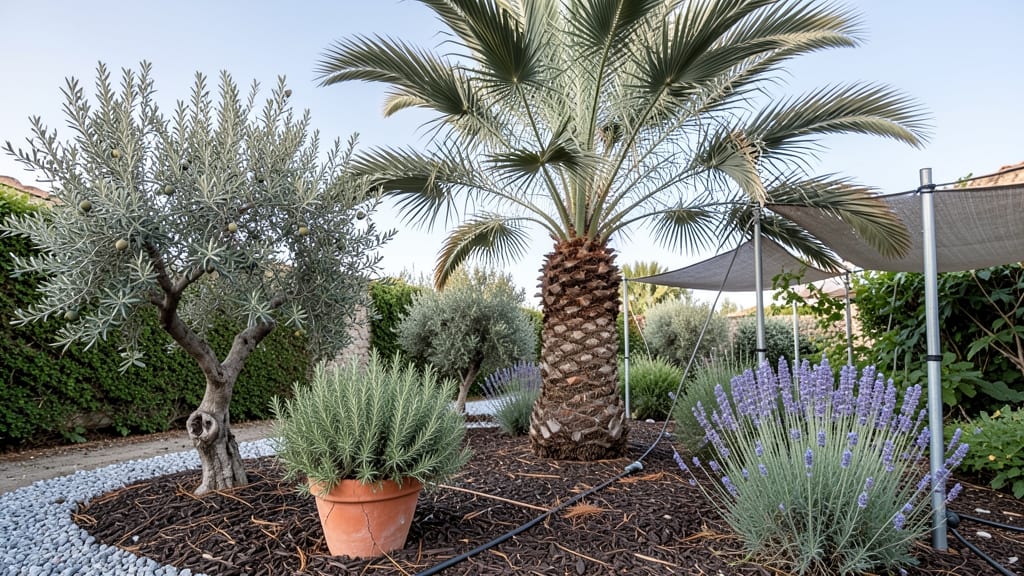
Zone 10 gardening thrives year-round with frost-free conditions, allowing warm-weather crops like tomatoes, peppers, and citrus to grow continuously. Plant heat-loving vegetables in early spring (March-April) and late summer (August-September) for optimal harvests, while tropical plants flourish in every season with consistent moisture and shade management during peak heat (June-August).
If you're gardening in Zone 10, you're in a unique position to grow tropical and subtropical plants that would wither elsewhere. 🌴 The key is understanding how to leverage your climate's advantages—like year-round warmth—while managing summer's intense heat through shade and irrigation.
Unlike cooler zones, you can plant heat-loving crops like okra and eggplant twice a year, while citrus trees and avocados grow continuously with minimal care. The trick is timing: start spring plantings before temperatures climb above 90°F, and focus on shade-loving greens during summer's peak heat.
What sets Zone 10 apart is its ability to grow tropical fruits like mangoes and papayas without protection. I've seen gardeners here harvest basil, cilantro, and even lettuce year-round by using shade cloth during the hottest months. The real secret?
Paying attention to microclimates—coastal areas stay more humid and moderate, while inland zones can get brutally hot. This means adjusting your planting schedule based on whether you're near the ocean or several miles inland.
💡 In This Article
- Understanding Zone 10 Microclimates and Plant Hardiness
- Seasonal Zone 10 Planting Calendar With Exact Months
Understanding Zone 10 microclimates and plant hardiness
Zone 10's frost-free climate creates a unique gardening environment where tropical and subtropical plants thrive year-round. The USDA divides this zone into 10a (30-35°F minimum temps) and 10b (35-40°F minimum temps), with 10b being the warmest.
Coastal areas typically stay more humid and moderate, while inland zones can experience 100°F+ temperatures during summer months. This variation means avocados and mangoes grow continuously in 10b but may need winter protection in 10a.
The key difference between these subzones lies in their cold tolerance. For example, lime trees survive 28°F in 10b but will die back in 10a's 30°F minimum.
Similarly, citrus like oranges thrive in both but produce better yields in 10b's warmer winters. 🌿 Humidity also plays a crucial role—coastal gardens benefit from ocean mist that reduces heat stress, while inland areas require additional irrigation during dry spells.
This is why coastal gardeners can grow bananas year-round while inland gardeners must plant them in spring for summer harvests.
Understanding these microclimates helps determine what you can grow continuously versus seasonally. Tropical plants like papayas and guavas grow best in 10b's warmth, while heat-tolerant vegetables like okra and sweet potatoes adapt to both subzones.
The secret to success is matching plant hardiness zones with your specific microclimate—coastal areas can support more delicate tropicals, while inland zones excel with drought-resistant Mediterranean plants.
Rainfall patterns further influence planting decisions. Zone 10 typically receives 20-40 inches annually, but distribution matters more than total amount. Coastal areas get steady rainfall, while inland zones experience summer monsoons.
This means summer planting requires shade cloth to prevent leaf scorch, while winter planting benefits from regular watering to establish roots before spring heat arrives. 🌧️ The right irrigation system can make the difference between thriving plants and those struggling through heat waves.
For gardeners new to Zone 10, starting with hardy tropicals like hibiscus or bougainvillea helps build experience before tackling more delicate crops. These plants tolerate heat and occasional drought, making them perfect "training wheels" for understanding how your specific microclimate behaves.
Once comfortable, you can experiment with more specialized crops like lychees or dragon fruit that require precise temperature and humidity control.
What most people don't realize is how quickly temperature swings can occur in Zone 10. While the zone is frost-free, sudden heat waves can push temperatures 15°F above normal in summer, stressing plants not accustomed to such extremes.
This is why shade management becomes critical during June-August—using 30-50% shade cloth can reduce leaf temperatures by 10-15°F, preventing sunburn and wilting in sensitive tropical plants.
The science behind this involves understanding each plant's optimal growing degree days (GDDs). For example, tomatoes need 1,200-1,500 GDDs to mature, while eggplants thrive with 1,500-2,000 GDDs. In Zone 10, you can calculate these using online tools to determine the best planting windows for continuous harvests.
This precision gardening approach maximizes your year-round growing potential while minimizing wasted effort on incompatible crops. 🌱